How Beijing channels lab breakthroughs onto production lines
Beijing is fostering advanced manufacturing by integrating research breakthroughs with industrial production, exemplified by Guoke Superconductor's reported plan for the world's first mass production line for iron-based superconducting tape by the end of 2026. This initiative aims to address a significant global shortage of materials critical for technologies like nuclear fusion.
The article illustrates how Beijing’s Yizhuang high-tech zone supports the transition of laboratory innovations to industrial scale. Guoke Superconductor, founded in August 2025, is developing a production line for superconducting materials, which are essential for applications such as controlled nuclear fusion and quantum information. The company's chairman, Zhang Xiaohu, stated that current global capacity for superconducting tape is insufficient for even one fusion device, underscoring the scale of demand.
Beyond superconductors, Yizhuang also facilitates the industrialization of biomedical advancements. Platinumlife Biotechnology, for instance, developed China's first approved stem cell drug, amimestrocel injection. Beijing’s support enabled the company to scale production, replacing manual cell culture with automated lines and reportedly reducing the cost to one-seventieth of a comparable therapy approved in the United States.
The operational speed and coordinated support provided by Yizhuang appear to be key factors in accelerating industrialization cycles. The development of Platinumlife's 'super factory' and Xiaomi's car factory both highlight rapid project approval and construction timelines, supported by land guarantees, faster approvals, and a dedicated task force. This suggests a strategic effort to streamline the path from research to market for advanced technologies.
Share this article
Related reading
6 stories
Sri Lanka’s Union Bank Upgrades Legacy Credit Card System With BPC
Huawei, Qualcomm strike multi-year patent agreement across 5G, AI

A Chatbot Almost Started a War With China. The Scariest Part Wasn’t the AI’s Mistake

OpenAI's Altman says AI benefits warrant accepting some risks
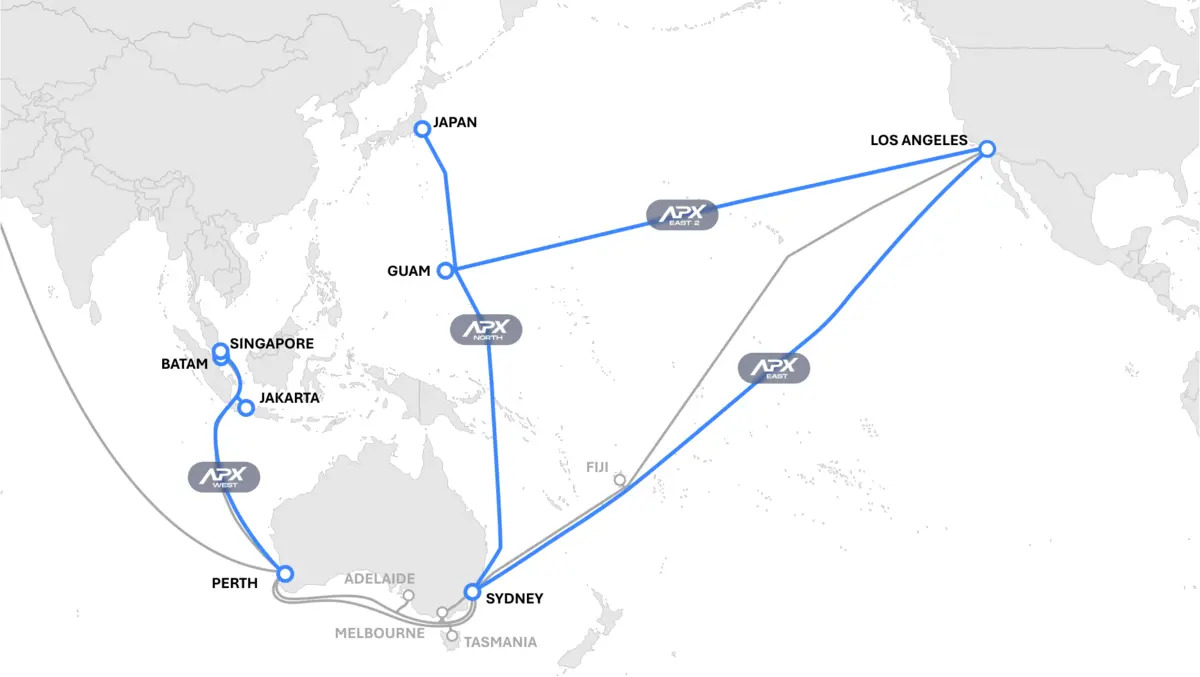
Subco unveils 40,000km Indo-Pacific subsea cable plan