Ho Chi Minh City attracts 5.7 billion USD in industrial zones in nine months
Ho Chi Minh City attracted 5.7 billion USD in industrial zone investments over the first nine months of the year. These funds support new production and business activities. They also expand infrastructure capacity. The city aims for high-quality foreign direct investment (FDI) to drive green growth and sustainable development. Vietnam is fast-tracking foreign investment through institutional reforms.
Ho Chi Minh City’s 5.7 billion USD in industrial zone investment reflects Vietnam’s broader push for next-generation FDI. The focus on expanding infrastructure and developing inter-sectoral clusters points to a strategy beyond simple manufacturing. This aims to integrate domestic firms more deeply into global value chains. It moves beyond basic assembly toward more complex industrial ecosystems.
This strategy benefits local Vietnamese enterprises by increasing their participation in value chains. It also creates opportunities for supporting industries. The shift to high-quality FDI, targeting green growth, positions Ho Chi Minh City to attract advanced manufacturing and technology firms. This could draw investment away from other Southeast Asian hubs still focused on lower-value production.
The test for Ho Chi Minh City is whether its institutional reforms can consistently deliver high-quality FDI. Attracting 5.7 billion USD is a start, but sustaining this requires clear policy execution. Watch for specific green technology or advanced manufacturing projects announced in the next 12 months. That will show if the city’s ambitions are translating into concrete deals.
Related reading
6 stories
Mastercard And GXBank Research Finds Financial Health Is Driven By Behavior, Not Demographics
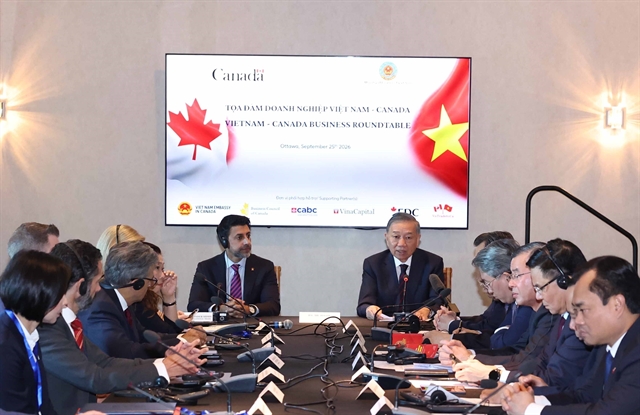
General Secretary, President Tô Lâm attends Việt Nam–Canada business dialogue
US appeals court upholds Pentagon's blacklisting of Anthropic

Cellid and Megane Top Partner to Commercialize and Expand the AR Glasses Business

Sarvam AI Saaras V4: How the Multilingual Speech Model Is Built for India’s Diverse Languages