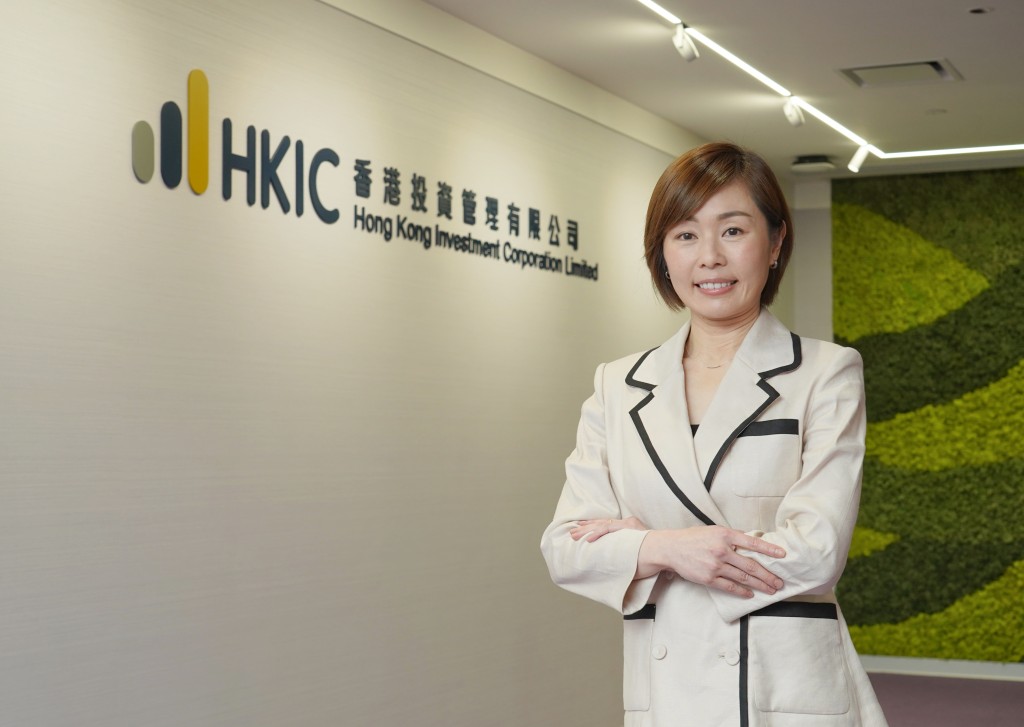
HKMA launches ‘ART’ Framework to guide responsible AI use in banking
The Hong Kong Monetary Authority (HKMA) has introduced its “ART” Framework, an acronym for accountability, resilience, and trust, to guide responsible artificial intelligence adoption in the banking sector. The framework, part of the Fintech 2030 strategy, aims to address the evolution of AI from generative tools to autonomous agentic systems within financial institutions.
The HKMA's ART Framework establishes clear expectations for banks using AI, updating earlier principles from 2019 with more detailed requirements across nine principles. These focus on board-level governance, risk management, and the crucial elements of trust and transparency. This update reflects a regulatory response to the increasing sophistication and integration of AI applications in banking operations.
A key aspect of the framework is its emphasis on agentic AI, which involves autonomous systems capable of multi-step task planning and execution. The HKMA noted that over 60 percent of use cases explored by banks involved this type of AI, indicating a shift towards advanced automation. The regulator plans further testing through an expanded GenA.I. Sandbox++ and will issue a discussion paper on a proposed supervisory framework for agentic AI governance, including concepts like intent-anchored accountability.
The framework is supported by practical initiatives, including an AI training data sharing platform with data quality assurance, developed in collaboration with Cyberport and the University of Hong Kong. The GenA.I. Sandbox has already shown results, with participating banks like HSBC, Standard Chartered, and Bank of China (Hong Kong) testing applications that improved efficiency, customer experience, and fraud detection. For example, a risk-analysis agent reduced query times by 95 percent with full accuracy.
The experiences of major banks in the sandbox illustrate the dual focus on innovation and risk mitigation. HSBC is expanding its AI specialist team, while Standard Chartered is using the sandbox for financial crime risk management and exploring customer transaction data processing for investment insights, subject to privacy and regulatory requirements. These examples show how the framework is being applied to balance the benefits of AI with the need for robust controls.
Share this article
Related reading
6 stories
Hong Kong investors most eager in Asia to beat markets – but temper return hopes: report
SK Hynix bargains for chip equipment exports to its China facility in return for building a factory in US

Alibaba sets sights on record-breaking Singles’ Day with 1 million brands joining festival
DeepSeek offers user refunds after suffering another major outage
‘Keeping our children safe’: McCuskey explains West Virginia's OpenAI lawsuit