Gujarat Police turns to startups, students for solutions to emerging cyber threats
Gujarat Police recently hosted its inaugural cybersecurity hackathon, drawing participation from over 100 technology startups and 1,500 students across India. The event aimed to harness innovative solutions to combat a range of emerging cyber threats, including cyber fraud, dark-web activities, and challenges in digital forensics. Teams collaborated to develop practical applications and strategies, fostering a public-private partnership approach to enhance digital security. This initiative marks a significant step in leveraging India's burgeoning tech talent to bolster law enforcement capabilities against increasingly sophisticated online crimes. The hackathon underscores a growing recognition among governmental bodies of the need to engage with the startup ecosystem for advanced technological solutions.
This initiative by Gujarat Police highlights a critical trend in Asia: governments are increasingly turning to their domestic startup ecosystems and academic institutions to address complex technological challenges, particularly in cybersecurity. This collaborative model not only provides innovative solutions for public safety but also stimulates the local tech economy by offering startups opportunities for real-world application and potential government contracts. Such partnerships can accelerate the development of specialized cybersecurity talent and technologies within India, positioning the country as a significant player in digital defense. It also signals a broader shift towards proactive, technology-driven governance in the region, moving beyond traditional methods to tackle modern threats.
The engagement of both startups and students in a police-led hackathon demonstrates a strategic effort to build a robust pipeline of cybersecurity expertise and innovation. For startups, it offers invaluable exposure and a chance to validate their solutions against practical, high-stakes problems. For students, it provides hands-on experience and a pathway into a critical and rapidly growing sector. This model could inspire similar initiatives across other Asian nations, fostering a more resilient and innovative regional cybersecurity landscape.
Related reading
6 storiesDeputy Minister Nomalungelo Gina: 14th BRICS Science, Technology and Innovation Ministerial Meeting
This echoes the broader trend of government and academic collaboration in science and technology across BRICS nations.

Anthropic merges Claude chat and Cowork in one interface

Threads’ new features let podcasters promote shows and reach listeners

ViewSonic expands Pro AV portfolio in India with new LED displays, monitors and Google TVs: All details
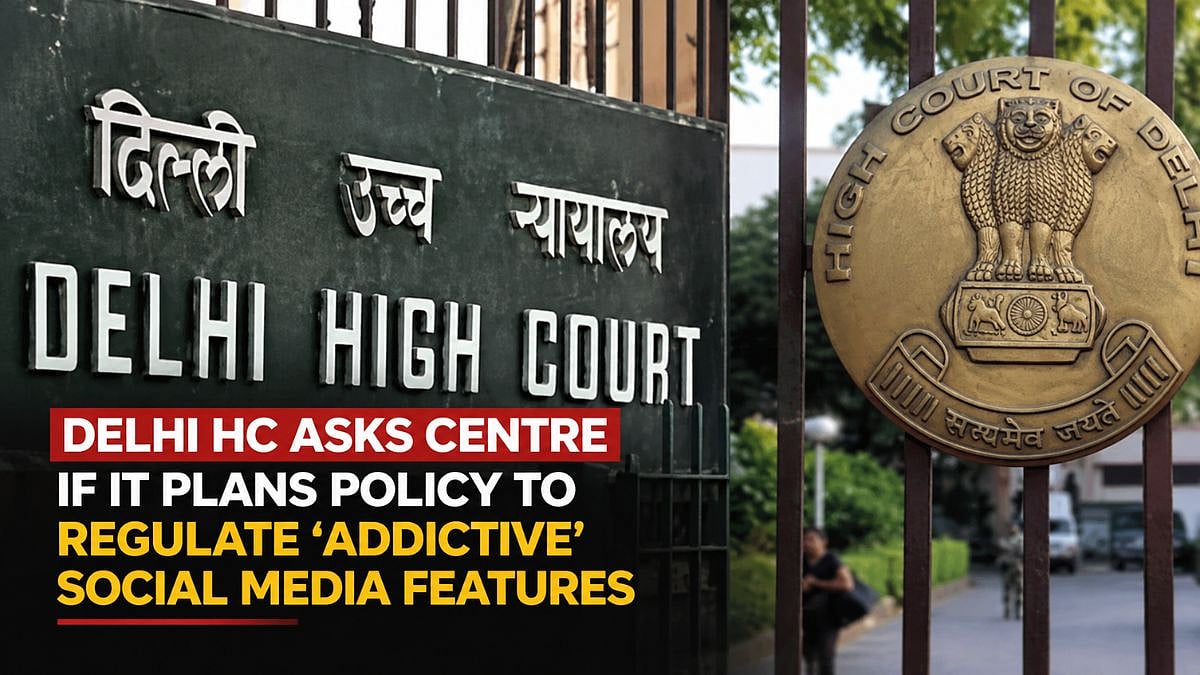
Delhi HC Asks Centre If It Plans Policy To Regulate ‘Addictive’ Social Media Features