G7 Oil Stocks Release Is A Band-Aid Fix in Broken Fuel Market
G7 nations announced the release of 100 million barrels of oil stocks over four months, with a significant portion of diesel to be released within the first 20 days. This led to an immediate drop in crude oil prices, with the U.S. benchmark WTI falling to about $90 per barrel, according to Oil Price reporting.
The G7's decision to release oil stocks has provided immediate relief to fuel markets, evidenced by lower crude, gasoline, and diesel prices. This market reaction suggests that participants prioritized the short-term increase in diesel availability. However, analysts caution that this intervention is a temporary measure, merely a "band-aid solution" for deeper market imbalances.
A key concern is that drawing down existing oil and diesel stocks without a clear path to replenishment could leave markets more vulnerable to future disruptions. If product flows from critical regions like the Middle East, Russia, and China remain constrained, the current relief will be transitory. Depleting emergency reserves now could reduce the global cushion against future supply shocks.
For sustained market stability, analysts argue that restoring refinery output and normalizing trade flows are essential. Ole Hansen of Saxo Bank notes that a lasting reduction in Brent crude prices requires broader normalization, including improved crude supply, recovering product exports, and reduced political and financial risks to shipping. Refineries in the U.S., Europe, and Asia cannot fully compensate for losses from other regions.
The article points to several ongoing supply impediments: China's renewed restrictions on fuel exports beyond Hong Kong and Macau, Russia's extended ban on diesel and other fuel exports until October 31 due to refinery attacks, and persistent constraints on Middle Eastern fuel supply, despite reports of oil flows returning to pre-war levels through the Strait of Hormuz. These factors collectively indicate a market facing structural deficits well into 2027 if not addressed.
Share this article
Related reading
6 stories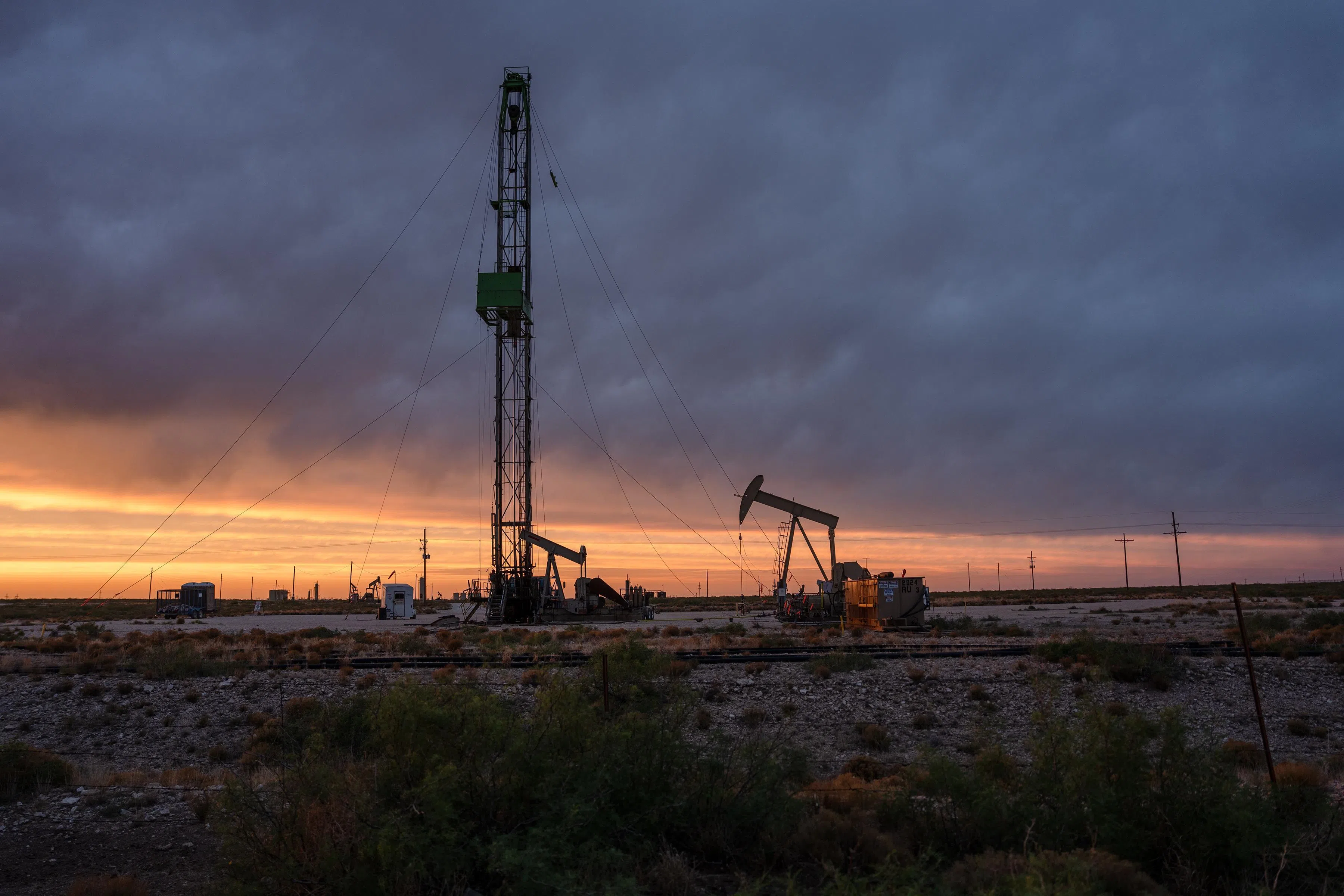
Oil falls with focus on Saudi supplies, flows through Hormuz
Our earlier report tracked oil price movements, noting the impact of Saudi supplies and the Strait of Hormuz.

Anchorage Digital Singapore Offers Institutional USD Accounts With StanChart

Pine Labs Launches Unified Merchant Payments Platform in Singapore
How Can Banks Launch New Products Without Replacing Their Core?

Airwallex Brings Agentic Banking to Business Accounts