
From cameras to cars, India’s chip startups chase an edge in AI
Indian startups are developing specialized edge AI chips for local processing in devices like cameras and cars, aiming to reduce reliance on cloud data and improve response times. This emerging industry, supported by a government chip-design program, is moving its first products into customer testing and commercialization, according to a report by Channel Newsasia.
The focus on edge AI chips in India targets a segment of the artificial intelligence market where data processing occurs on the device itself. This approach addresses practical needs for faster responses in applications like autonomous vehicles and real-time factory defect detection, where constant cloud communication might introduce delays or be impractical due to connectivity issues. The local processing also offers benefits such as enhanced data privacy and reduced operational costs by minimizing cloud dependence, as noted by Pratik Parmar of Atomo.
India's strategy to compete in the chip sector by concentrating on edge AI chips for consumer electronics, automobiles, and industrial applications appears to be a pragmatic entry point, rather than directly challenging established players in high-speed AI data center processors. Ashok Chandak, president of SEMI India and the India Electronics and Semiconductor Association, stated that putting intelligence into everyday electronics could be a more realistic opening. This niche leverages India's cost-sensitive market and varying internet connectivity, making the advantages of local processing particularly relevant for domestic adoption.
While a government program has facilitated the creation of approximately 35 chip designs ready for manufacturing, the ultimate success of these Indian-designed chips hinges on software development, the ability to scale production, and achieving widespread customer adoption. The transition from design to commercial viability, including securing market share against established international alternatives, represents the next critical phase for these startups, as highlighted by industry executives.
Share this article
Related reading
6 stories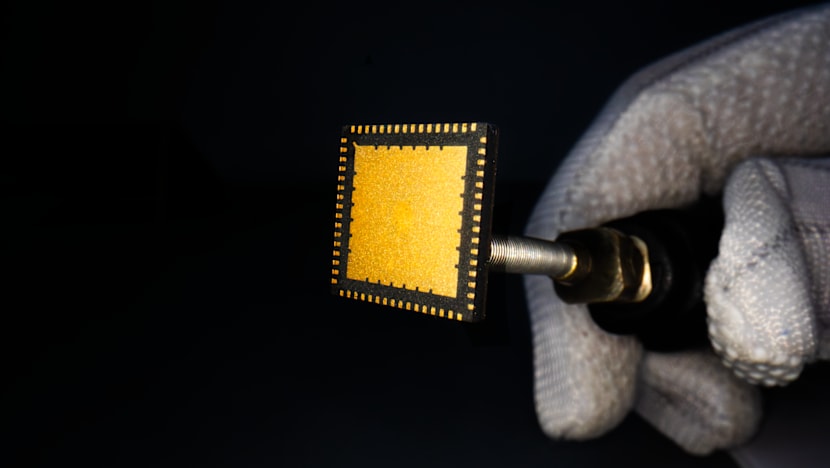
India was late to the AI chip race. Could cameras and cars offer a way in?
We previously explored India's strategy to enter the AI chip race through niche markets like cameras and cars.

PewDiePie’s OpenAI controversy takes a new turn with his “less restricted” Ajax AI

Fewer babies, smaller market: How Singapore baby-care brands are adapting
US Lead in AI Over China Narrows After DeepSeek Gains, BI Says - Bloomberg.com

140 Years of Everyday Moments
