
FOMO Pay to Enable DuitNow QR Payments for Malaysian Visitors in Singapore
FOMO Pay is set to integrate DuitNow QR payments in Singapore, enabling Malaysian visitors to use their domestic banking and payment applications for transactions. This initiative allows Malaysians to pay in Ringgit while merchants in Singapore receive settlement in Singapore Dollars. The rollout anticipates increased cross-border traffic, particularly with the upcoming Johor Bahru-Singapore Rapid Transit System Link slated for 2027. This payment solution aims to simplify transactions for Malaysian consumers and streamline operations for Singaporean merchants in sectors like retail, dining, and lifestyle, eliminating the need for separate payment systems or manual foreign currency management.
This development signifies a crucial step in regional payment interoperability within Southeast Asia, reflecting a broader trend towards seamless cross-border transactions. By enabling DuitNow QR acceptance in Singapore, FOMO Pay is tapping into the growing demand for convenient payment solutions driven by increased travel and economic integration. This move not only benefits Malaysian tourists by offering familiar payment methods but also empowers Singaporean merchants to easily cater to a significant consumer segment without additional operational complexities. It highlights how national instant payment systems are evolving into foundational infrastructure for regional commerce, fostering greater financial inclusion and efficiency across borders.
The strategic timing, ahead of the Johor Bahru-Singapore Rapid Transit System Link, underscores a forward-looking approach to capitalize on anticipated surges in consumer traffic. This initiative exemplifies how fintech innovations are addressing practical challenges in cross-border trade and tourism, paving the way for a more integrated digital economy in Asia. It also demonstrates the increasing importance of multi-rail, multi-currency platforms in connecting diverse national payment ecosystems, setting a precedent for similar integrations across other Asian markets.
Related reading
6 stories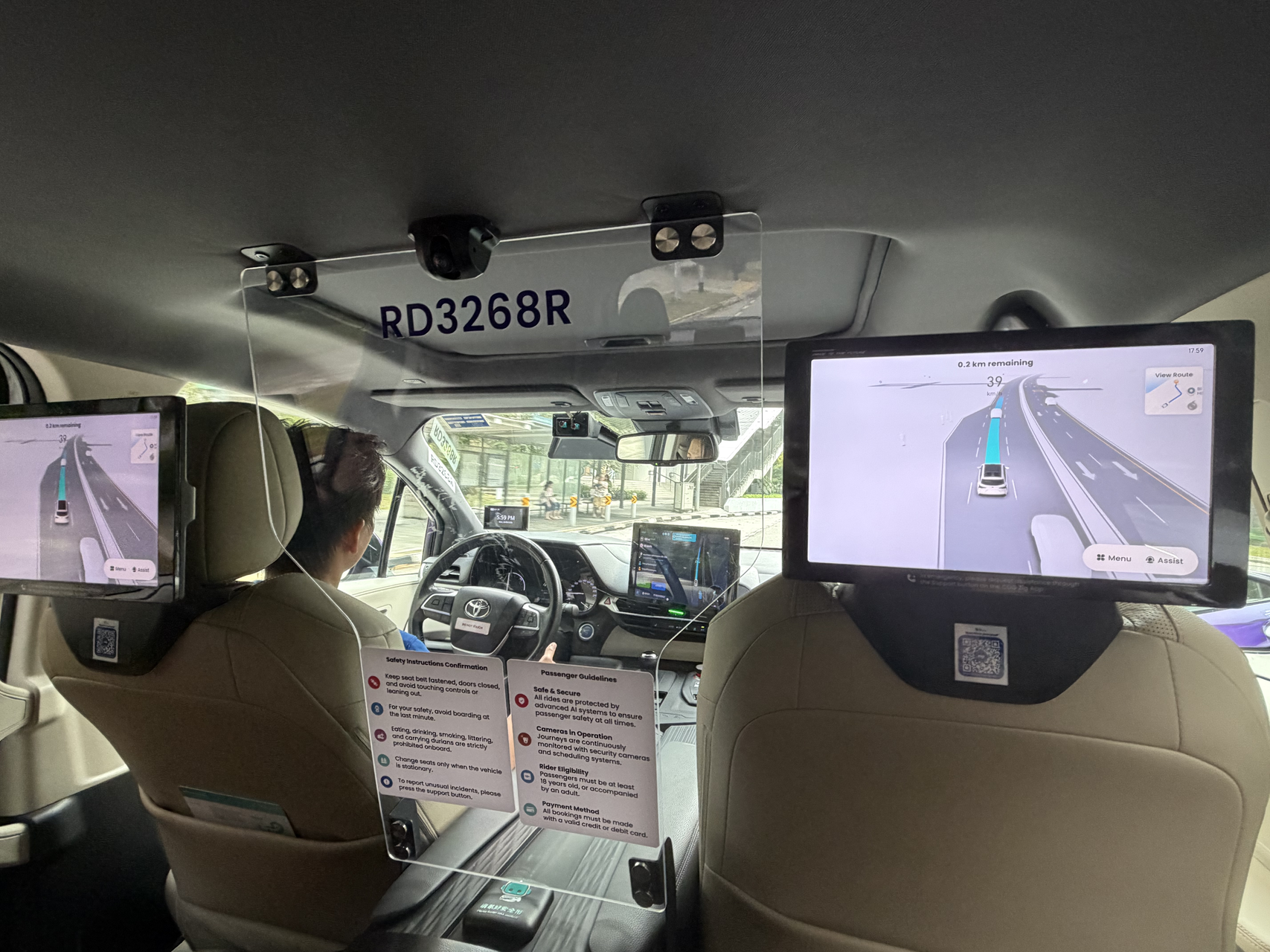
If driverless cars already work, why aren’t they everywhere?

People’s Daily rejects US claims of malicious AI distillation, warns of countermeasures

Databricks to Invest Over US$350 Million in Singapore, Double Its Workforce

Sumsub Launches Workforce Verification as Deepfake Risks Grow

Personetics Launches AI Banking Console for Relationship Managers
