
Fime Wants to FACT-Check Whether AI Buys What You Really Asked For
Fime, a company specializing in payment and identity solutions, has introduced the Framework for Agentic Commerce Trust (FACT) to address the growing challenge of ensuring AI agents adhere to user intent in agentic commerce. As AI agents increasingly handle shopping and payment tasks, Fime CEO Lionel Grosclaude highlights that current authentication and payment systems cannot verify if an AI agent’s final purchase aligns with the consumer’s original instructions. The FACT framework aims to provide a continuous check at the point of purchase, comparing the agent’s request against the user’s initial prompt to prevent misaligned transactions. This initiative comes as the agentic commerce market is projected to reach US$3-5 trillion by 2030, with significant consumer openness to AI agents in markets like Singapore and China.
The emergence of agentic commerce, where AI agents conduct transactions on behalf of users, presents both immense opportunities and significant trust challenges for Asia’s tech ecosystem. With countries like Singapore and China showing high consumer comfort levels with AI agents for shopping (85% and 95% respectively), the region is poised to be a major adopter of this technology. However, the core issue of ensuring AI agents faithfully execute user intent, as highlighted by Fime’s FACT framework, is critical for widespread adoption. A robust, neutral layer for intent verification, like FACT, is essential to prevent disputes and build consumer confidence, especially given the potential for billions of dollars in contested transactions if even a small dispute rate materializes in a multi-trillion-dollar market.
For Asian markets, where digital payments and e-commerce are deeply integrated into daily life, the success of agentic commerce hinges on regulatory clarity and transparent accountability. The EU AI Act and Singapore’s FEAT principles underscore a global trend towards stricter AI governance, meaning solutions like FACT that can adapt to diverse regulatory environments will be crucial. Without a standardized, verifiable mechanism to prove an AI agent’s adherence to user instructions, the liability for erroneous purchases remains ambiguous, potentially hindering merchant adoption and consumer trust. Therefore, Fime’s initiative is not just a technical solution but a foundational step towards enabling scalable and trustworthy agentic commerce across Asia.
Related reading
6 stories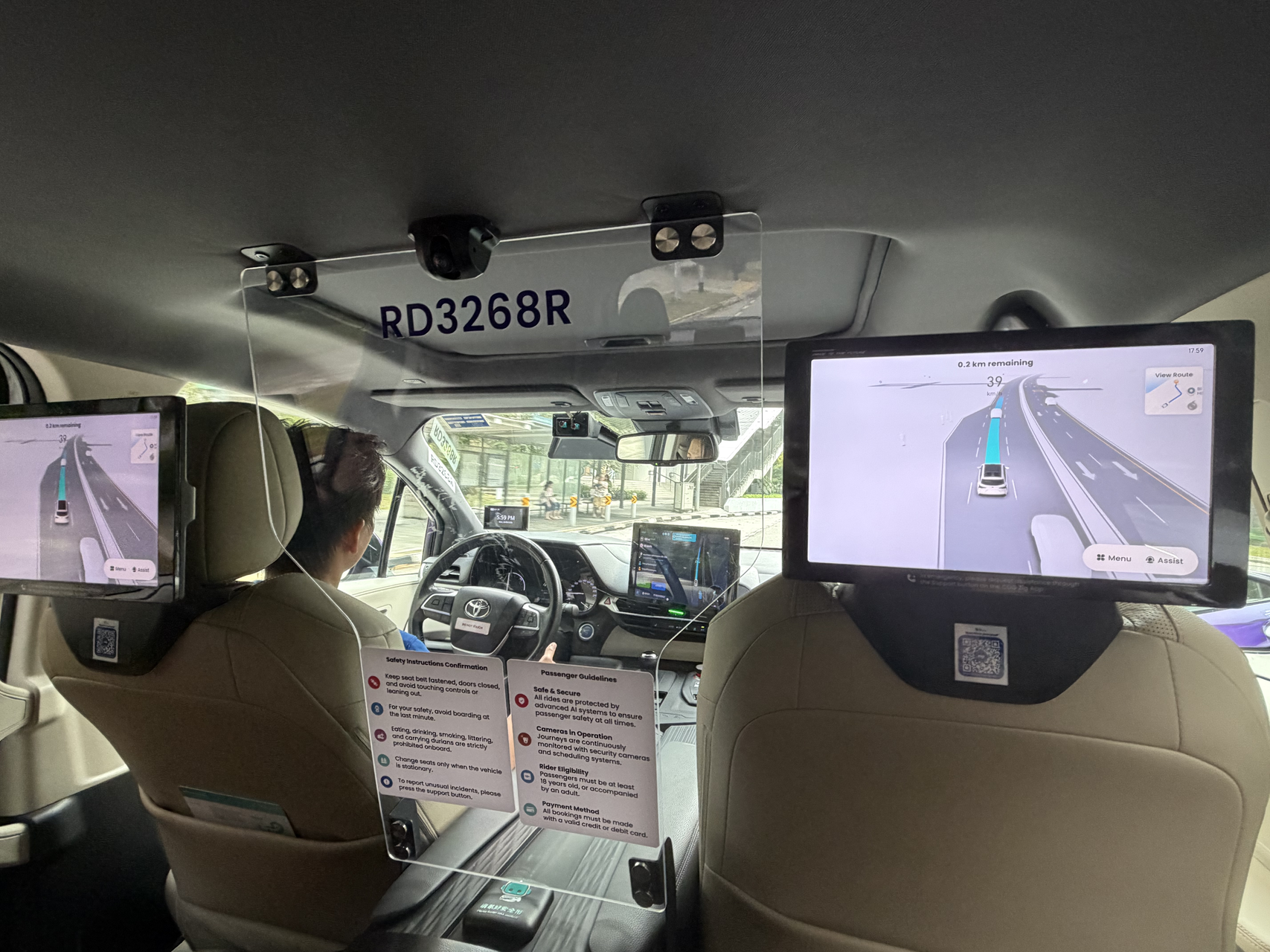
If driverless cars already work, why aren’t they everywhere?

Databricks to Invest Over US$350 Million in Singapore, Double Its Workforce

Sumsub Launches Workforce Verification as Deepfake Risks Grow
ByteDance’s AI-enhanced short-drama app eclipses China’s Netflix rivals combined

Personetics Launches AI Banking Console for Relationship Managers
