DeepSeek joins hands with Huawei to build AI chip software, cutting Nvidia reliance
DeepSeek, a Chinese artificial intelligence developer, has partnered with Huawei Technologies to create programming tools for Huawei's Ascend processors. This collaboration aims to reduce reliance on the Nvidia ecosystem by developing open-source programming infrastructure and specialized libraries, as DeepSeek confirmed via its official WeChat account.
This partnership is part of a broader push by Chinese technology companies to establish domestic alternatives to foreign semiconductor hardware and software. DeepSeek's release of open-source programming infrastructure for the Ascend platform, including compute and communication libraries, addresses the need for a comprehensive software stack to support Huawei's AI chips.
A key element of the joint effort is the focus on software efficiency, highlighted by TileLang. DeepSeek describes TileLang as an open-source, high-level programming language intended for artificial intelligence chips, designed to simplify programming and enable full utilization of hardware performance. This suggests an attempt to offer a more accessible development environment compared to existing proprietary solutions, such as Nvidia's CUDA.
Huawei provided full technical backing throughout this development, including joint work on a supernode configuration built with 128 Ascend 950 chips. This collaboration on refining computational performance and communication links within clustered systems indicates an ambition to optimize the broader system architecture necessary for large-scale AI model training, beyond just individual chip capabilities.
Share this article
Related reading
6 stories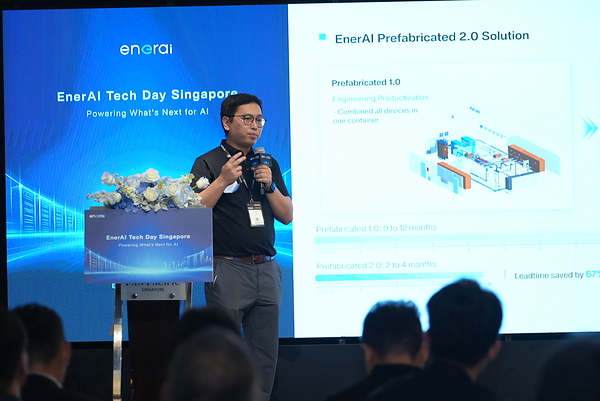
From Energy to Chip, EnerAI Brings Full-Stack AIDC Power Solutions to Tech Day Singapore 2026
EnerAI's full-stack AIDC power solutions also highlight the critical infrastructure supporting AI chip development.

Sri Lanka’s Union Bank Upgrades Legacy Credit Card System With BPC
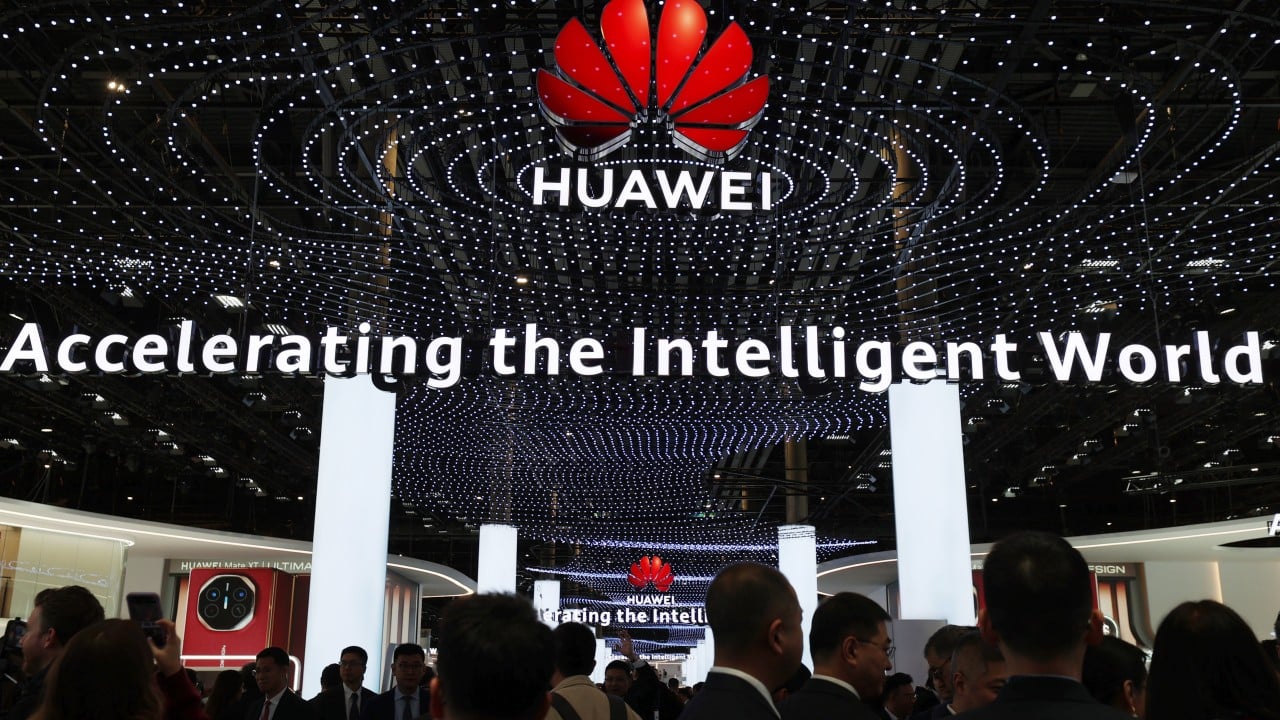
Huawei, Qualcomm strike multi-year patent agreement across 5G, AI

A Chatbot Almost Started a War With China. The Scariest Part Wasn’t the AI’s Mistake

OpenAI's Altman says AI benefits warrant accepting some risks