Cyber insurance gains ground in Singapore as coverage widens, premiums fall
Cyber insurance adoption is increasing in Singapore, driven by rising scam attempts and sophisticated AI-enabled attacks. US-headquartered Markel saw its policies grow between 56 percent and 125 percent in 2023 and 2024. Regional insurer QBE Asia sold 25 percent to 30 percent more policies from 2024 to 2026. This growing demand extends beyond financial firms to manufacturing, logistics, and healthcare sectors.
Beyond rising cyber insurance uptake, attack vectors are shifting. A QBE survey in May 2026 found 39 percent of Singapore firms experienced an AI-related cyber incident in the past year. This points to a new threat landscape where traditional defenses are insufficient, driving companies like UEI Logistics to adopt both threat detection systems and insurance.
This trend benefits global insurers like Markel and QBE, which are expanding their footprint in Singapore. Local brokers and insurers, including MSIG and Allianz, also see increased queries. The market is maturing, moving beyond a niche product for tech and finance into broader industries like transport and retail.
The thing to watch is how premiums evolve. As AI-powered attacks become more common, insurers will face higher payouts. This could lead to rising costs for Singaporean firms, despite the current trend of widening coverage and falling premiums cited by the article.
Related reading
6 stories
MAS Tests Cross Bank AI Models to Detect Scams Faster
Singapore's MAS is already testing AI models to detect scams, showing the proactive local approach to cyber threats.

Top E-Commerce Payment and Fraud Trends in 2026
Our 2026 report on e-commerce payment and fraud trends offers a wider view of the evolving cyber threat landscape.
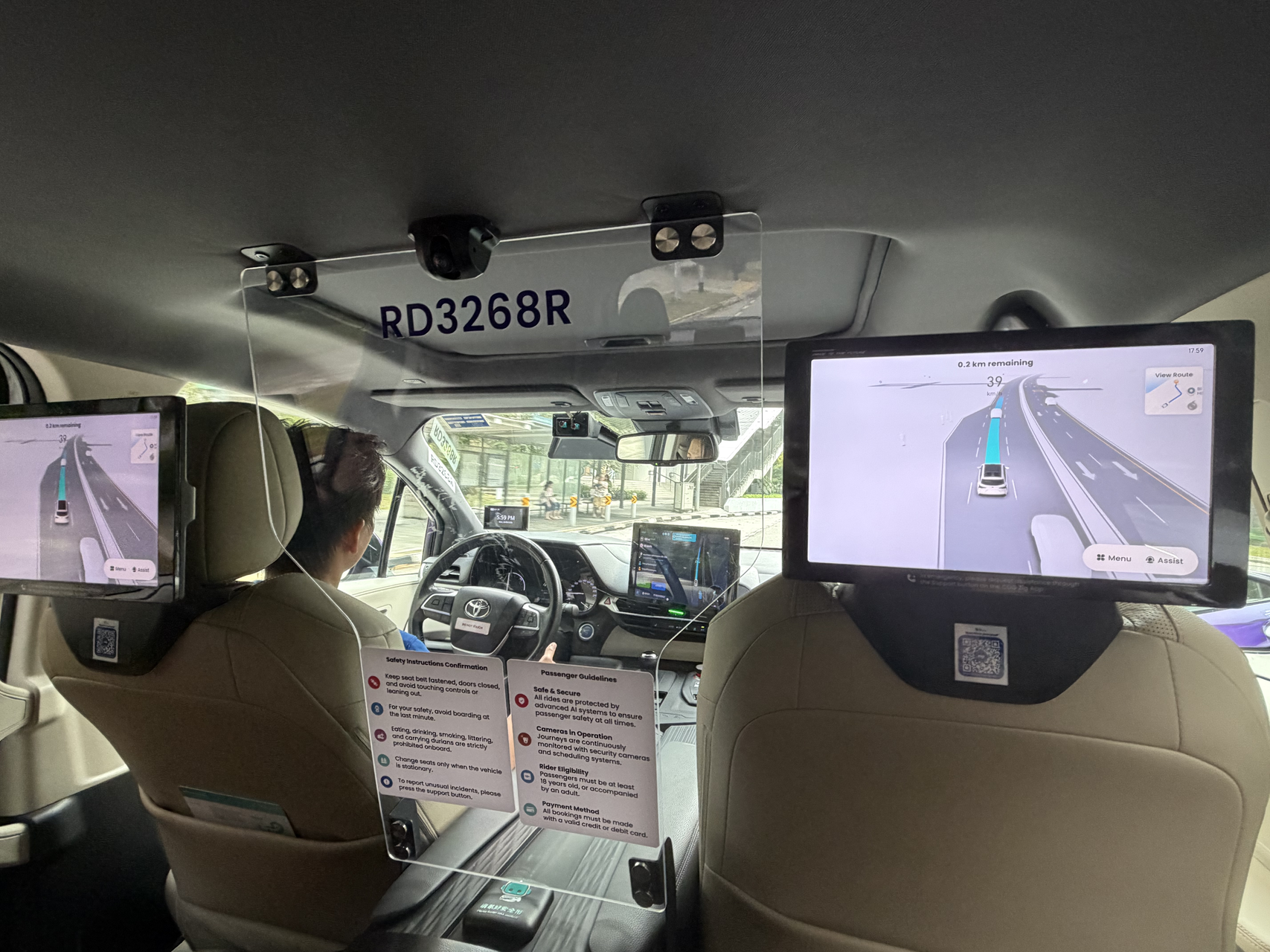
If driverless cars already work, why aren’t they everywhere?

Databricks to Invest Over US$350 Million in Singapore, Double Its Workforce
Sumsub Launches Workforce Verification as Deepfake Risks Grow