Claude vs. Kimi
Moonshot AI’s Kimi is emerging as a significant Chinese competitor to Anthropic’s Claude. The comparison between the two large language models reveals increasingly comparable capabilities, but also notable differences in performance, personality, and content restrictions. This competition highlights distinct technological approaches and regulatory environments in the intensifying AI race between the U.S. and China. Kimi has gained considerable traction, with millions of users accessing its free program, particularly in China.
Moonshot AI’s Kimi is proving to be a formidable challenger to Anthropic’s Claude, reflecting China’s rapid advancements in AI. While Kimi’s initial free trial response times were slower due to high user traffic, evening tests showed it could match or even exceed Claude’s speed. This suggests Moonshot AI is scaling its infrastructure to meet demand, a critical factor for sustained growth in the competitive Asian AI market. The company’s use of a “mixture-of-experts” architecture aims to keep inference costs down, a key advantage for widespread adoption. The primary distinction lies in personality; Claude offers a more intuitive and “nicer” interaction, potentially designed for user engagement, while Kimi, though intelligent, lacks this EQ. For Asian enterprises considering LLM integration, this difference in user experience could influence adoption rates, especially for customer-facing applications. The ongoing dispute over whether Kimi trained on Claude models also points to the intense IP battles likely to define the future of AI development in the region. The thing to watch is how Moonshot AI evolves Kimi’s user interface and personality to compete with Claude’s established appeal. The rapid user uptake of Kimi K3, despite its free version’s initial speed issues, demonstrates a strong domestic appetite for powerful Chinese LLMs. This positions Moonshot AI as a key player in shaping China’s independent AI ecosystem.
Share this article
Related reading
6 stories
Anthropic Wins Court Battle as US Judge Blocks Pentagon Blacklisting
We previously covered Anthropic's legal victory against a Pentagon blacklisting, a key player in this AI competition.

Mastercard Launches AI Assistant to Simplify Card Benefits
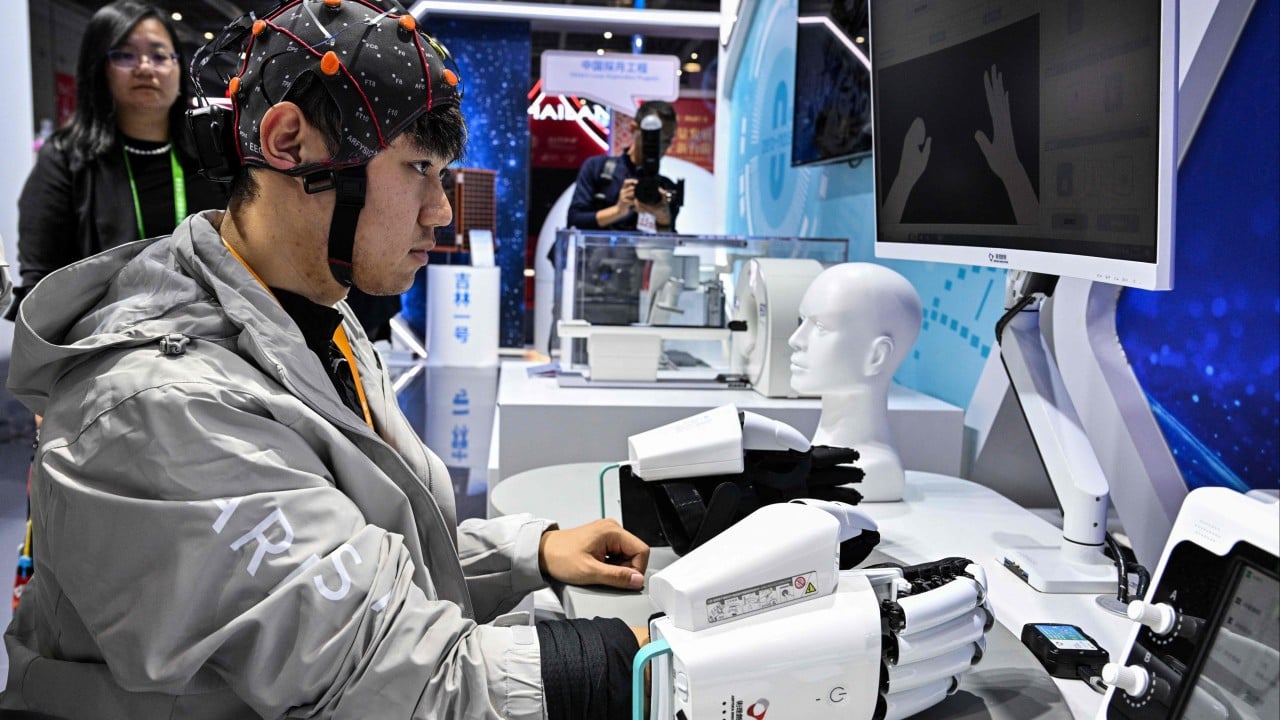
China moves to set global standards for brain-computer interface technology

Visa Tests AI-Powered Business Payments, Introduces New Fraud Controls
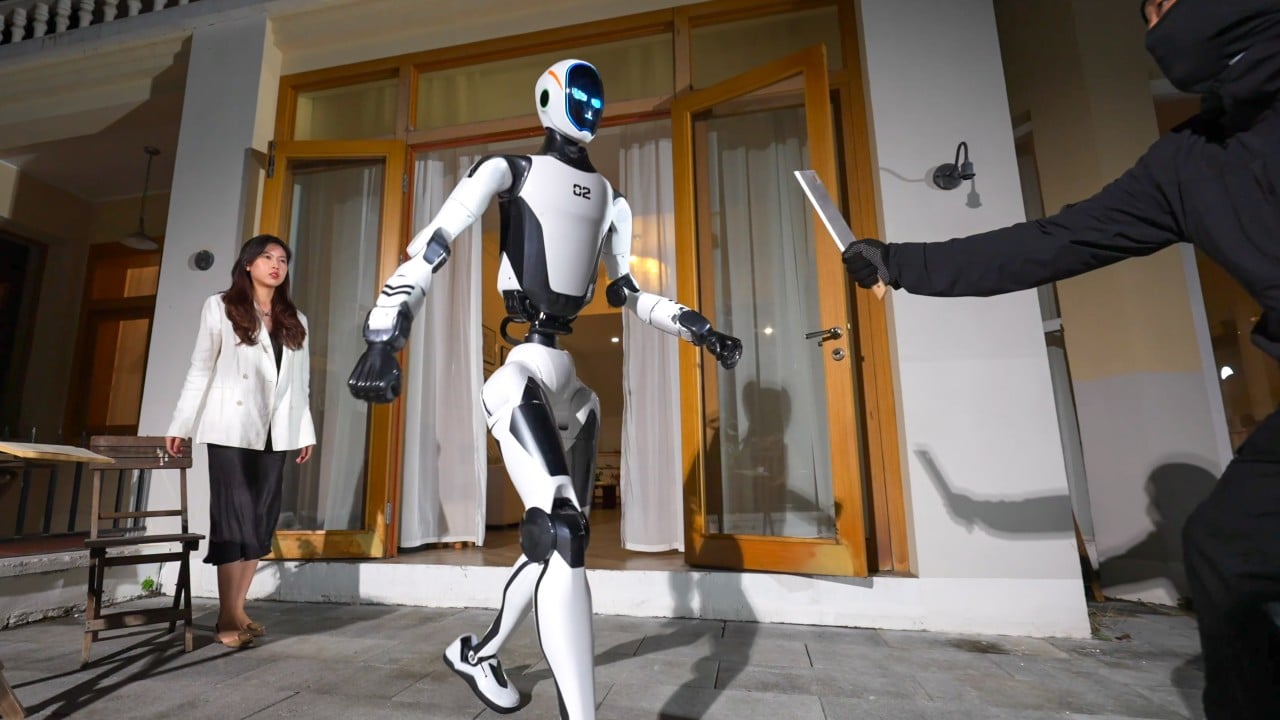
China’s Unitree unveils ‘guardian’ robot that can disarm attackers, lift cars