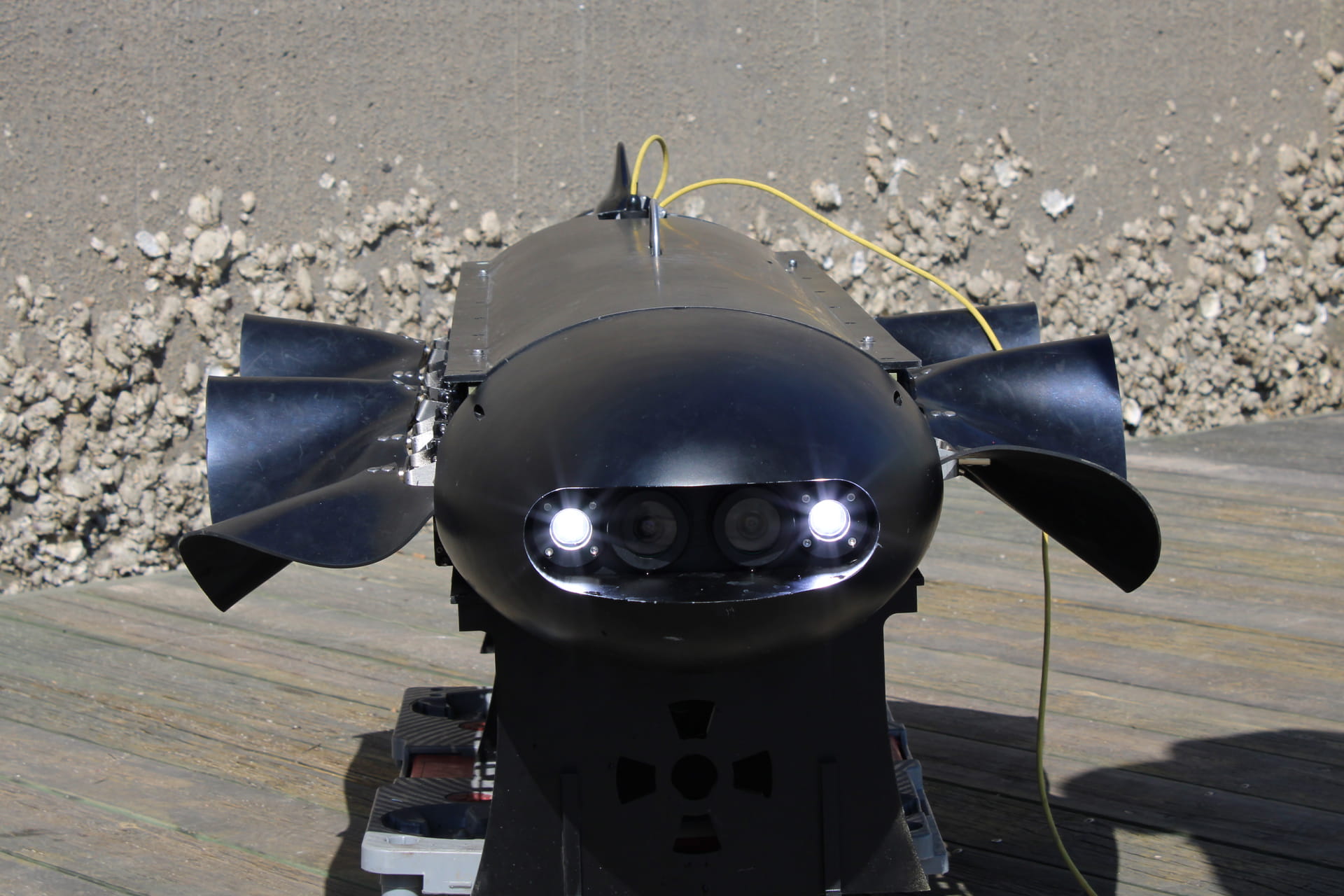
Chinese drone exports take off in Southeast Asia, other emerging markets
Chinese drone exports to emerging markets, particularly in Southeast Asia, have surged this year, driven by increased demand for civilian applications such as farming, surveying, and infrastructure inspection. During the first half of the year, China’s drone exports rose 26% to 2.42 million units, even as shipments to the US declined significantly due to export curbs. This growth is fueled by China’s strategic push for a “low-altitude economy” and its Belt and Road Initiative, which aims to expand influence through technology exports. Countries like the Philippines, Malaysia, Pakistan, and Cambodia have seen dramatic increases in drone imports, with some nations integrating Chinese drone technology into their agricultural and public order strategies. The affordability and usability of Chinese drones are key factors in their strong demand across these regions.
The rapid expansion of Chinese drone exports into Southeast Asia and other emerging markets signifies a pivotal shift in global tech supply chains and regional economic integration. This trend not only highlights China's growing technological prowess in unmanned aerial vehicles but also its strategic intent to leverage the Belt and Road Initiative for deeper market penetration. The focus on civilian applications like agriculture, logistics, and infrastructure inspection addresses tangible needs in these developing economies, offering cost-effective and practical solutions that US-made drones often cannot match.
For Asia's tech ecosystem, this means increased competition and potential for localized innovation as countries adapt and integrate these technologies. The partnerships, such as Cambodia's collaboration with Nanning Vocational and Technical University, indicate a broader transfer of knowledge and capabilities. This surge in drone adoption is poised to transform various sectors, from enhancing agricultural productivity in the Philippines to improving disaster response, ultimately fostering a more technologically interconnected and efficient regional landscape, albeit with a strong Chinese influence.
Related reading
6 stories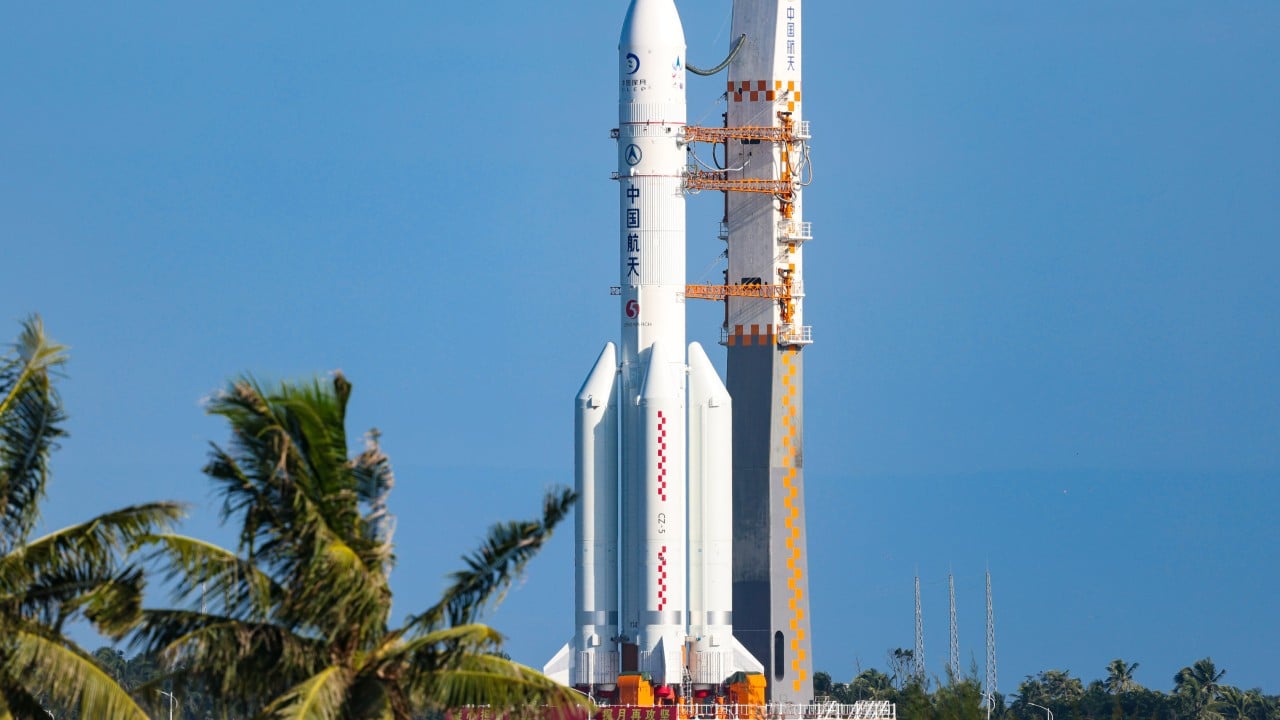
Moon mission delay a hiccup, but Chinese rocket city Wenchang remains on the march
China's drone expansion is part of its broader technological push, including its ambitious space program.

China’s rocket boom turns Hainan into a space hub. Can launches fuel wider growth?

China’s Z.ai raises revenue target 25% after US$5 billion cash injection

Ant’s AQ expands beyond weight loss as health app reaches 150 million users
Kimi creator Moonshot draws global funds seeking ‘top-tier’ Chinese AI developers: sources