China, U.S. Must Manage AI Risks Together
Chinese President Xi Jinping's upcoming state visit to the United States will likely focus on managing AI competition. US President Donald Trump has implemented an aggressive AI strategy, including export controls and military applications. Both nations have made significant advances in AI, with China surpassing the US in highly cited AI papers and patents. The competition extends to military capabilities, as seen in recent US operations using AI in combat.
The US framing of AI as a zero-sum race against China misses the real story. China's open-source models, like Kimi K3, are gaining global traction due to strong performance and lower costs. Stanford University's 2026 AI Index Report confirms China's lead in highly cited AI papers and patents. This shows a growing technical parity, not a lagging position.
For Asia, China's advances in open-source AI models create a significant opportunity. Companies across Southeast Asia and India can access powerful, cost-effective alternatives to Western models. This pushes regional AI development forward and reduces reliance on a single ecosystem. It also increases pressure on US-backed AI providers to compete on price and accessibility.
The thing to watch is how President Xi's visit addresses the US Department of War's "AI first" strategy. The US has already used AI in combat in Venezuela and Iran. Any joint framework on military AI risk would be a major shift. Without it, the competition will intensify, with direct implications for Asian defense tech.
Related reading
6 stories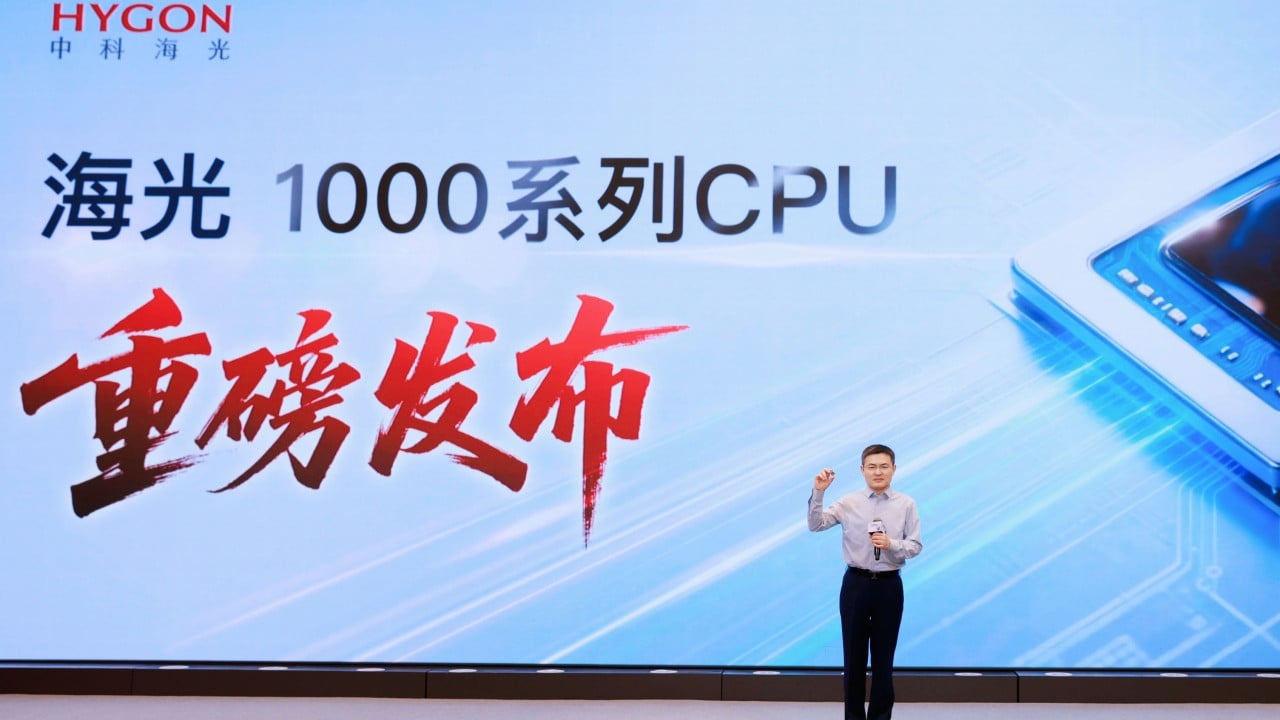
China’s Hygon moves beyond data centres with embedded processors for robotics, edge AI
We previously covered China's Hygon moving into embedded processors for robotics and edge AI.

Meta Removes 3.64 Million Facebook, Instagram Pages in Scam Crackdown

RISC-V chipmaker Eswin clears Hong Kong listing hearing
Tencent uses its products to guide Hy Image 3.5 development

Klook and Visa Team Up on Travel Offers Across Southeast Asia