
China is pitching its AI models to Europe, but is it enough to avoid 2-horse race with US?
China is actively promoting its artificial intelligence models to European nations, a move aimed at establishing a distinct global AI landscape. This initiative comes as the United States and China increasingly dominate the AI sector, prompting questions about Europe's ability to emerge as a third major player. The competition extends beyond technological advancement, evolving into a broader contest over international order and influence. The US has been expanding its Pax Silica framework, securing supply chains for critical advanced technologies like microchips and AI with an growing list of international partners. This strategic maneuvering highlights the intensifying geopolitical dimensions of AI development and deployment.
This development underscores the escalating geopolitical competition in the global AI landscape, with significant implications for Asia's tech ecosystem. China's outreach to Europe reflects a strategic effort to diversify its international AI partnerships and potentially mitigate the impact of US-led initiatives like Pax Silica, which aim to consolidate supply chains and technological influence. For Asian nations, this dynamic presents both challenges and opportunities. On one hand, increased competition between major powers could lead to fragmentation of standards and technologies, complicating regional integration and market access. On the other hand, it could also foster greater innovation and investment as countries seek to develop their own AI capabilities and secure their positions within evolving global frameworks.
The push for a "G3" in AI, involving Europe as a third pole, could offer Asian economies more options for collaboration and technology transfer, potentially reducing over-reliance on either the US or China. However, the success of such a strategy hinges on Europe's ability to truly carve out a distinct path, rather than remaining aligned with one of the dominant powers. For Asian startups and tech companies, understanding these shifting alliances and technological blocs will be crucial for navigating market entry, securing funding, and developing products that are globally competitive and compliant with diverse regulatory environments. The ongoing contest over international order, driven by AI and microchip dominance, will undoubtedly shape investment flows, talent migration, and the future trajectory of technological innovation across Asia.
Related reading
6 stories
Trump Announces Plans for World’s Largest AI Data Center to Beat China
We previously covered the US strategy to beat China in AI, highlighting the intensifying global competition.

Korea's AI ethics principles lack binding force, specificity
This piece explores the challenges in AI governance, a key factor in international AI partnerships.
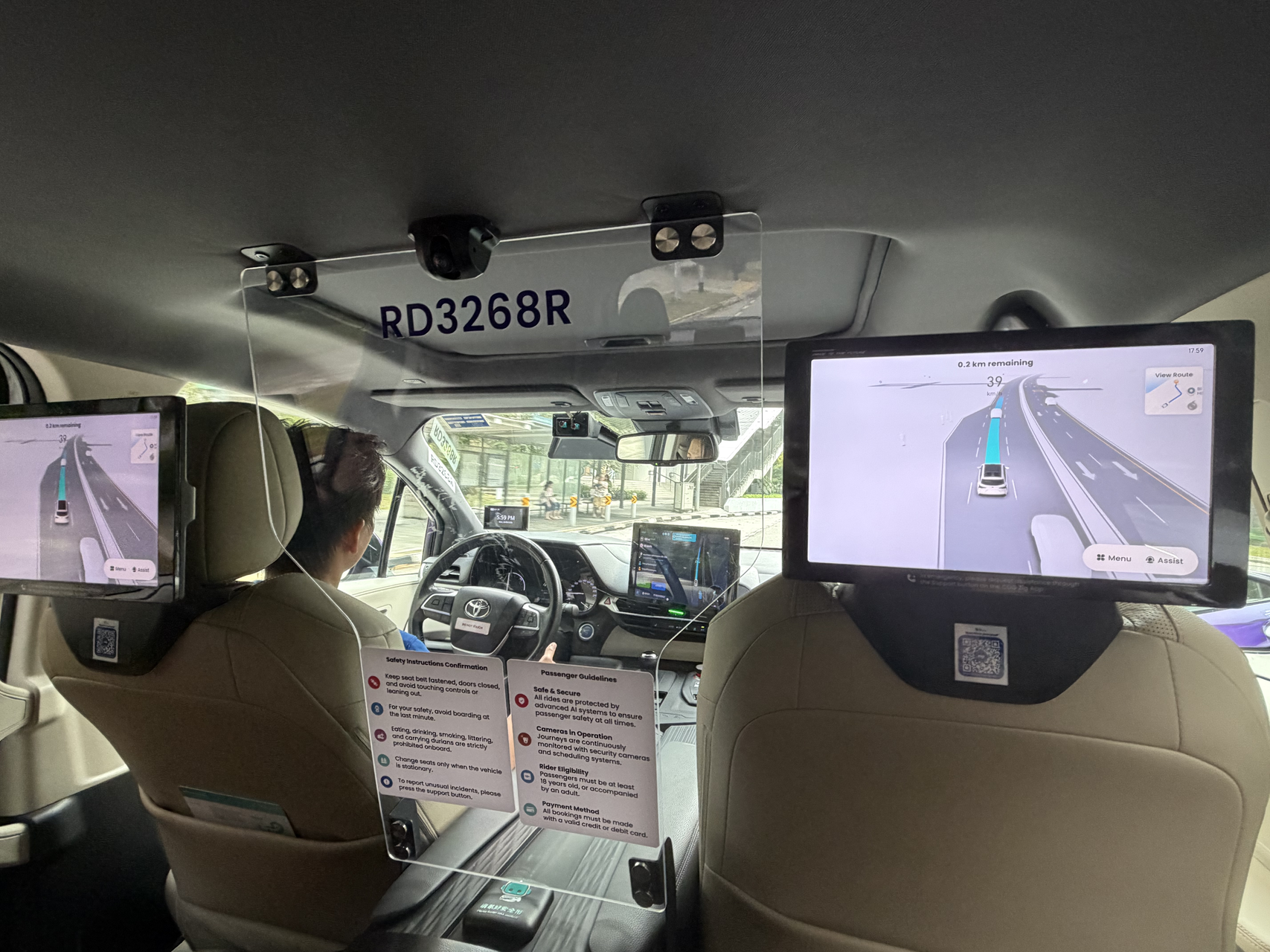
If driverless cars already work, why aren’t they everywhere?

Sumsub Launches Workforce Verification as Deepfake Risks Grow
ByteDance’s AI-enhanced short-drama app eclipses China’s Netflix rivals combined
