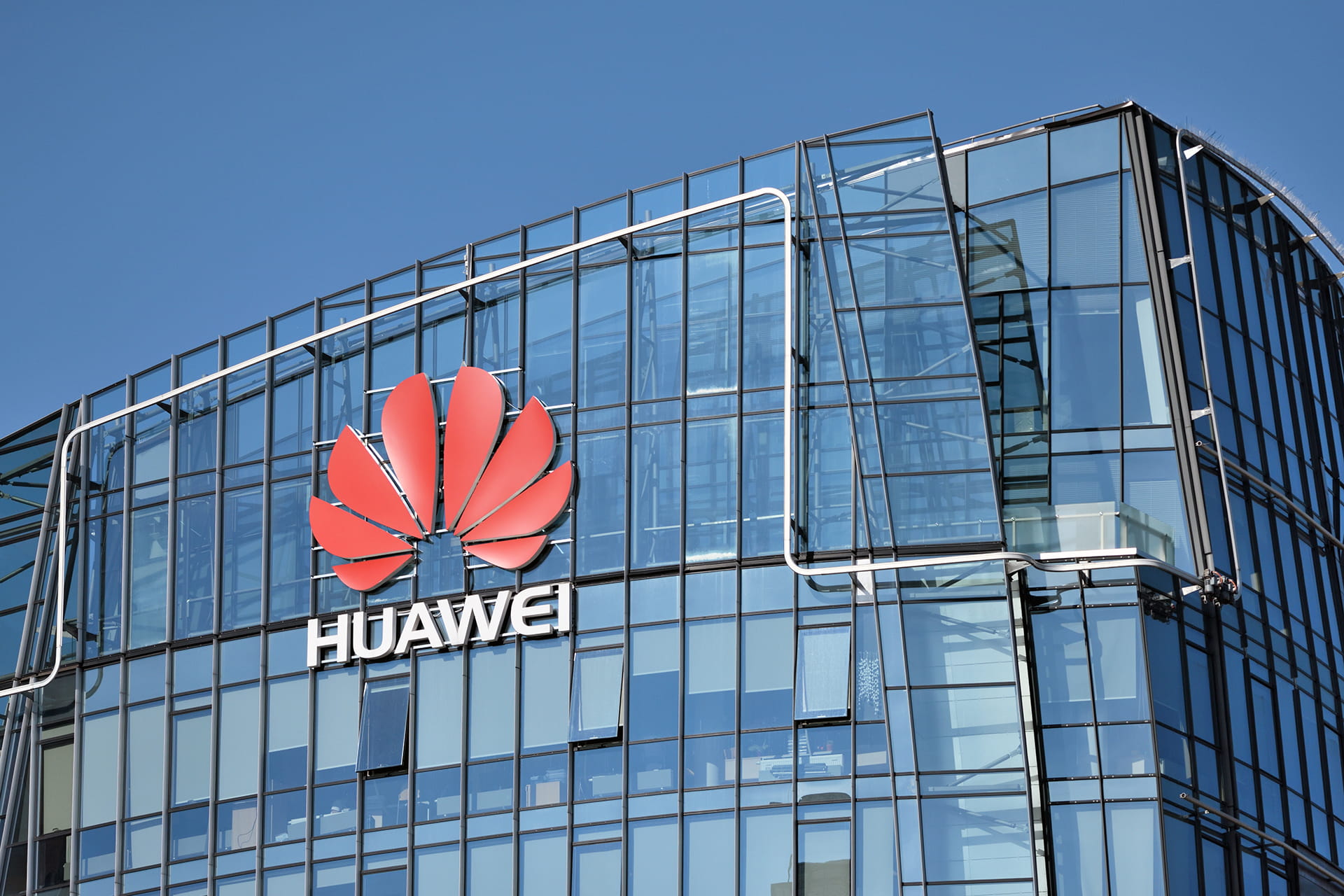
Can Chinese silicon replace Nvidia? Here are 5 AI models trained on local chips
Chinese AI models are increasingly competitive with their US counterparts, yet the country's AI hardware continues to lag significantly. While domestic chips are widely adopted for model inference, none of China’s top AI models have been pre-trained on homegrown silicon, highlighting a critical gap in the nation's technological self-sufficiency. This disparity is particularly evident when examining the three distinct stages of AI model development, where the reliance on foreign hardware for foundational training remains a key challenge. The ability to pre-train large language models on domestic chips is crucial for China's ambition to reduce its dependence on foreign technology, particularly from companies like Nvidia.
This development underscores a pivotal moment for China's AI ecosystem, revealing both its rapid advancements in AI model development and its persistent Achilles' heel in hardware. The ability to deploy Chinese AI models for inference on domestic chips is a significant step, indicating progress in optimizing homegrown silicon for specific AI tasks. However, the inability to pre-train these foundational models on local hardware highlights a critical bottleneck that could impede long-term innovation and strategic autonomy.
For Asia's broader tech landscape, China's pursuit of silicon self-sufficiency has ripple effects. It intensifies the global chip race, pushing other Asian nations to evaluate their own semiconductor strategies and supply chain resilience. The drive to overcome this hardware gap could also spur significant investment in domestic chip design and manufacturing within China, potentially creating new market dynamics and fostering a more diversified, albeit fragmented, global AI hardware ecosystem. The implications extend to geopolitical considerations, as technological independence in AI becomes a key factor in national security and economic competitiveness.
Related reading
6 stories
People’s Daily rejects US claims of malicious AI distillation, warns of countermeasures

Databricks to Invest Over US$350 Million in Singapore, Double Its Workforce
ByteDance’s AI-enhanced short-drama app eclipses China’s Netflix rivals combined

Personetics Launches AI Banking Console for Relationship Managers

Anthropic Sets October Launch for Singapore Office With Local Hiring Planned