Can China match up with Meta’s Muse in race to harness AI agents?
Meta Platforms' Muse AI agent recorded over 2.5 million downloads within two weeks of its September 8 launch, topping free-app charts in the US. Its rapid adoption has drawn attention to the emerging market for "agent harnesses," which provide AI models with persistent memory and tool access for complex tasks.
Agent harnesses represent a distinct evolution from traditional chatbots. While chatbots primarily respond to direct prompts, harnesses equip underlying AI models with a persistent memory, enabling them to retain information across interactions. This capability allows them to access various tools and operate with greater autonomy, executing more intricate and multi-step tasks.
The article highlights that Muse, for instance, is designed to function across web services, email, and calendars. Its stated abilities include filling out forms, facilitating purchases, and booking travel, all while recalling user preferences. This suggests a move towards AI applications that proactively assist users by managing multiple related actions, rather with simple, isolated responses.
The distinction between agent harnesses and foundational models is important for understanding potential shifts in the AI sector's value. Analysts suggest that the development and adoption of these harnesses could reallocate value away from the core AI models and towards the software layer that integrates these advanced capabilities. This implies that the competitive landscape might increasingly focus on how AI is applied and managed, rather than solely on the underlying model's raw power.
Share this article
Related reading
6 stories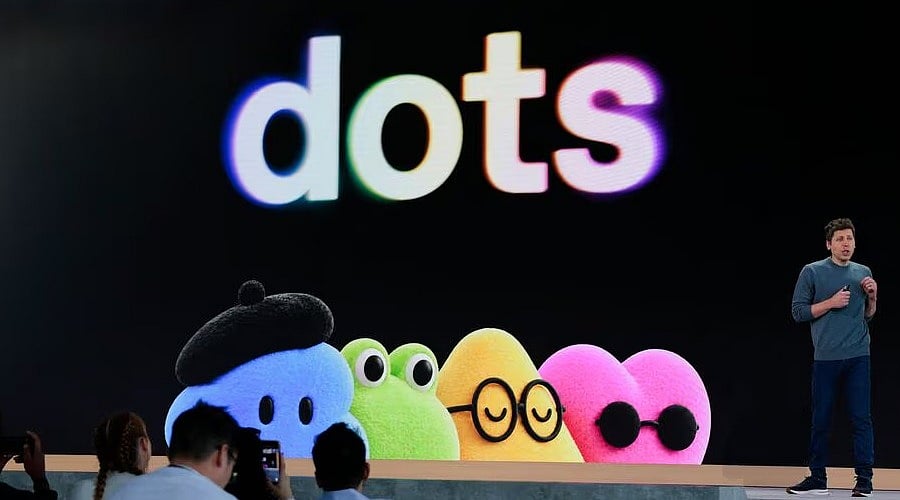
OpenAI Dots: What Always-On AI Agents Mean for the Future of Work
We explored the implications of always-on AI agents for the future of work when OpenAI rolled out Dots.
China state funds double down on Hua Hong in legacy chip push
Chinese optical chip stocks extend rout amid fears of potential US curbs

Temasek’s Seviora Plans Merger of Three Asset Management Businesses by 2027

UOB Expands Hiring and Leadership Training for AI-Enabled Workplace