
Can AI power PH climate resilience?
The Philippines is deploying artificial intelligence to enhance climate resilience, focusing on public-sector and academic initiatives rather than private consumer applications. The Advanced Science and Technology Institute of the Department of Science and Technology (DOST-ASTI) leads the AI for Risk Reduction Program (AI4RP), which uses machine learning to create hyper-localized hazard maps from satellite imagery and historical weather data. This enables local government units to shift from reactive evacuation to proactive resource deployment. Additionally, the University of the Philippines Los Baños (UPLB) Project SARAI and the International Rice Research Institute (IRRI) are using AI to provide farmers with predictive data for crop management and to identify climate-resilient rice varieties, respectively. These efforts aim to bridge the country’s resilience gap against climate change impacts.
The Philippines is taking a distinct approach to AI for climate resilience, prioritizing public-sector and academic-led initiatives over private consumer applications. Programs like DOST-ASTI’s AI4RP are leveraging machine learning to generate hyper-localized hazard maps, moving beyond generic forecasts to enable precision-based resource deployment for local government units. This strategy directly addresses the country’s vulnerability to climate events, such as Super Typhoon Yolanda, which affected over 16 million people. Agricultural applications are also critical, with UPLB’s Project SARAI and IRRI utilizing AI to provide smallholder farmers with actionable intelligence on crop suitability and to identify climate-resilient rice varieties. The key challenge remains the “last-mile” problem: ensuring AI-driven data reaches remote communities with limited connectivity. This necessitates a “human-in-the-loop” strategy, integrating AI with local knowledge and community-level systems to make the technology an enabler for human decision-making, not a replacement. The country must also avoid the “solution fallacy” by prioritizing edge computing and resource efficiency to prevent AI’s energy footprint from exacerbating climate change.
Related reading
6 stories
Hong Kong is lagging in the AI race – can it raise its game, and how?
As the Philippines embraces AI for resilience, we asked if Hong Kong can raise its game in the AI race.

As Singapore weighs joining China-led AI body, does it risk US retaliation?
Singapore also weighs its AI strategy, considering joining a China-led body and potential US retaliation.
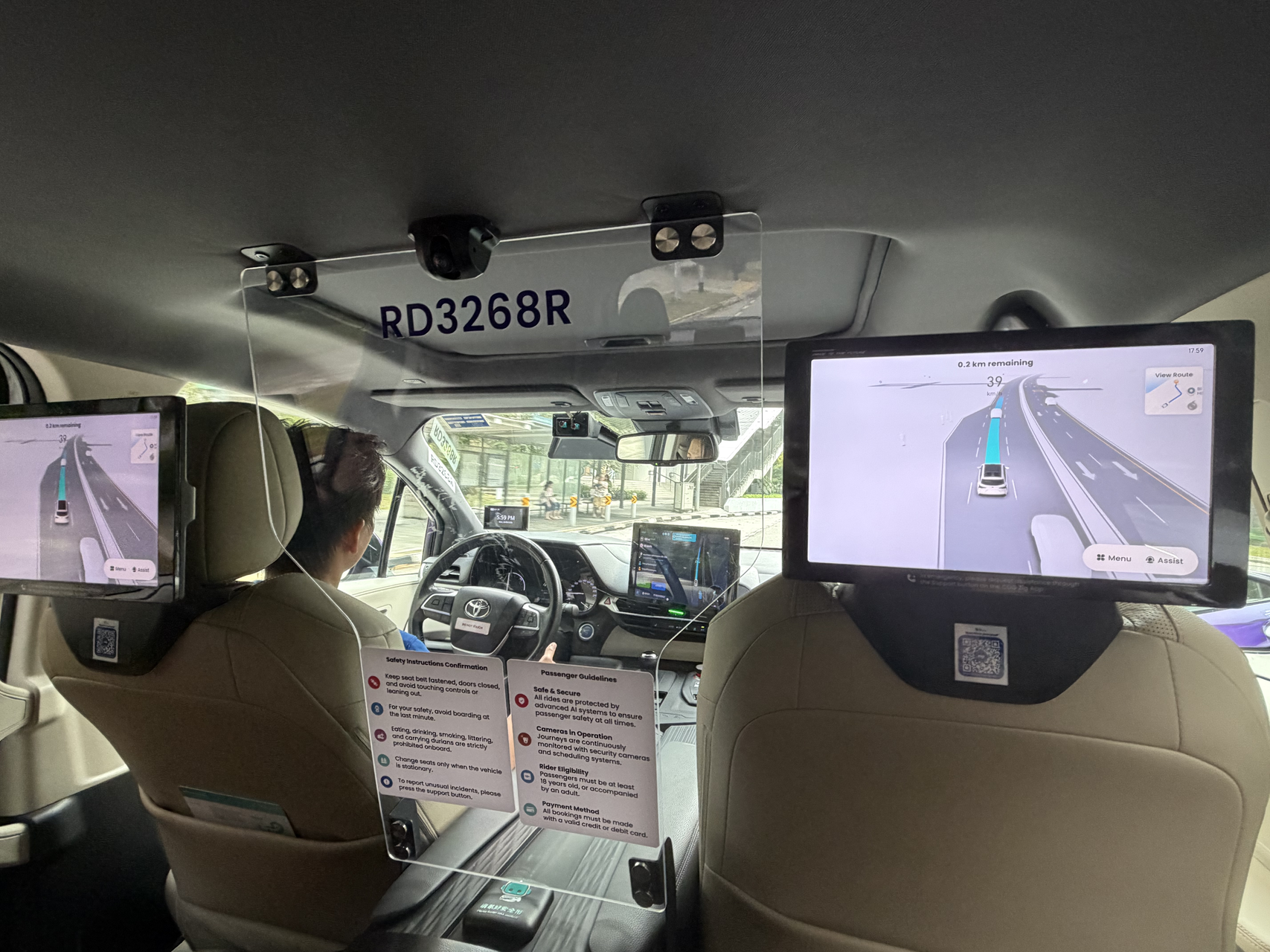
If driverless cars already work, why aren’t they everywhere?

Sumsub Launches Workforce Verification as Deepfake Risks Grow

ByteDance’s AI-enhanced short-drama app eclipses China’s Netflix rivals combined
