As Singapore weighs joining China-led AI body, does it risk US retaliation?
Singapore is evaluating an invitation to join the World Artificial Intelligence Cooperation Organisation (Waico), a China-led body focused on AI governance and technical standards. Minister for Digital Development and Information Josephine Teo confirmed the invitation in parliament, noting Singapore will consider it alongside existing engagements with China and other international AI initiatives. Waico, launched in July and based in Shanghai, aims to foster collaboration in AI development strategies. This decision comes as Singapore also participates in the US-led Pax Silica initiative, which focuses on strengthening AI-essential mineral supply chains, creating a delicate balancing act for the city-state in global AI policy. Singapore was one of seven signatories to the Pax Silica initiative in December.
Singapore’s consideration of joining Waico presents a significant move for its role in global AI governance. While membership offers Singapore a voice in shaping AI standards and development strategies through the Shanghai-based organization, it also introduces potential geopolitical complexities. The city-state is already a signatory to the US-led Pax Silica initiative, which aims to secure critical mineral supply chains for AI. Our view is that Singapore is carefully navigating its position between major powers. Minister Josephine Teo emphasized evaluating initiatives based on objectives and Singapore’s overall interests, rather than making direct comparisons. This approach suggests a pragmatic strategy to gain influence in both Eastern and Western AI frameworks, rather than committing exclusively to one side. The key watch is how Singapore balances these engagements without alienating either the US or China, particularly as AI policy becomes a more contested domain. For Asia, this reflects a broader trend of nations seeking to assert agency in the evolving AI landscape. Singapore’s decision could influence how other regional players engage with competing AI governance frameworks. Its ability to maintain a balanced stance will be a critical test for multilateral AI cooperation in the coming years.
Related reading
6 stories
Hong Kong is lagging in the AI race – can it raise its game, and how?
As Singapore weighs its AI future, we previously explored Hong Kong's own challenges and strategies in the AI race.
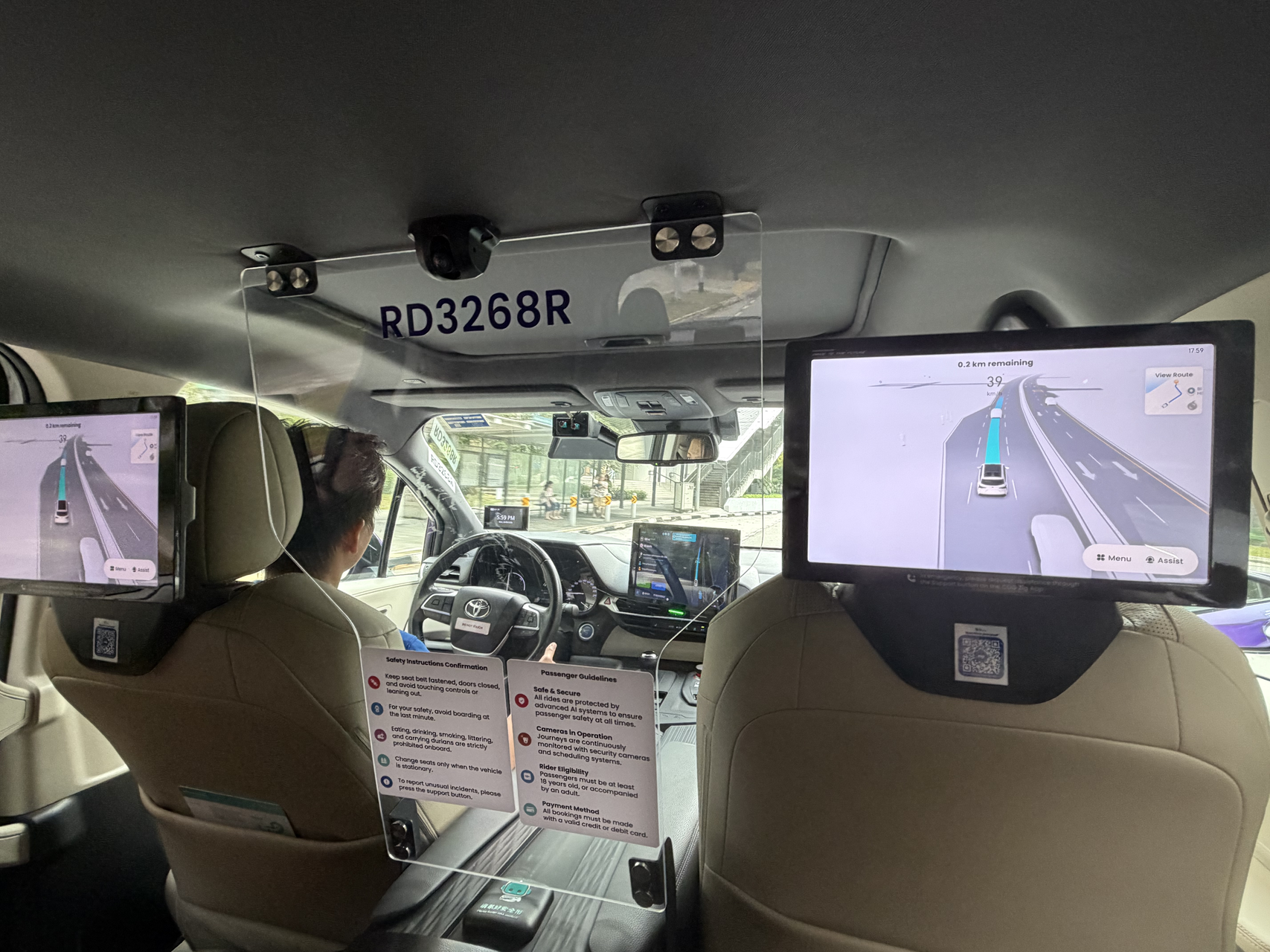
If driverless cars already work, why aren’t they everywhere?

Sumsub Launches Workforce Verification as Deepfake Risks Grow
ByteDance’s AI-enhanced short-drama app eclipses China’s Netflix rivals combined

Timo Joins Top 10 Banks in Vietnam by Customer Satisfaction