ByteDance and Alibaba to disable humanlike AI custom agents as new rules loom
ByteDance’s Doubao and Alibaba Group Holding’s Qwen, two prominent consumer-facing artificial intelligence applications in China, are set to disable their customized agent features. This move comes as new regulations governing humanlike AI interaction services are on the horizon, reflecting Beijing’s ongoing efforts to establish a comprehensive regulatory framework for the rapidly expanding AI sector. Doubao has already notified its users that its agent feature will be taken offline by July 15, citing “product function adjustments” as the reason for the change. These preemptive actions by major tech players underscore the industry’s responsiveness to evolving government policy and the increasing scrutiny on AI ethics and user interaction. The impending rules are expected to significantly shape the future development and deployment of AI services across China.
The decision by ByteDance and Alibaba to disable humanlike AI custom agents signals a significant shift in China’s AI landscape, driven by impending regulatory changes. This move by two of the country’s tech giants highlights the proactive stance companies are taking to align with Beijing’s broader push for a robust regulatory framework in the fast-growing AI sector. The focus on “humanlike AI interaction services” suggests that regulators are particularly concerned with the ethical implications and potential misuse of highly personalized AI agents, especially those that could mimic human behavior too closely. This could impact user experience for certain applications, but it also reflects a commitment to responsible AI development.
For Asia’s tech ecosystem, this development underscores China’s leading role in AI regulation, potentially setting precedents for other regional markets. Companies operating or looking to expand into China will need to meticulously adapt their AI offerings to comply with these new rules, which could influence product design and feature development across the board. The emphasis on “product function adjustments” by Doubao indicates that companies are not just complying but are actively re-engineering their services to fit within the new legal parameters, suggesting a long-term impact on how AI is built and deployed in the region.
Related reading
6 stories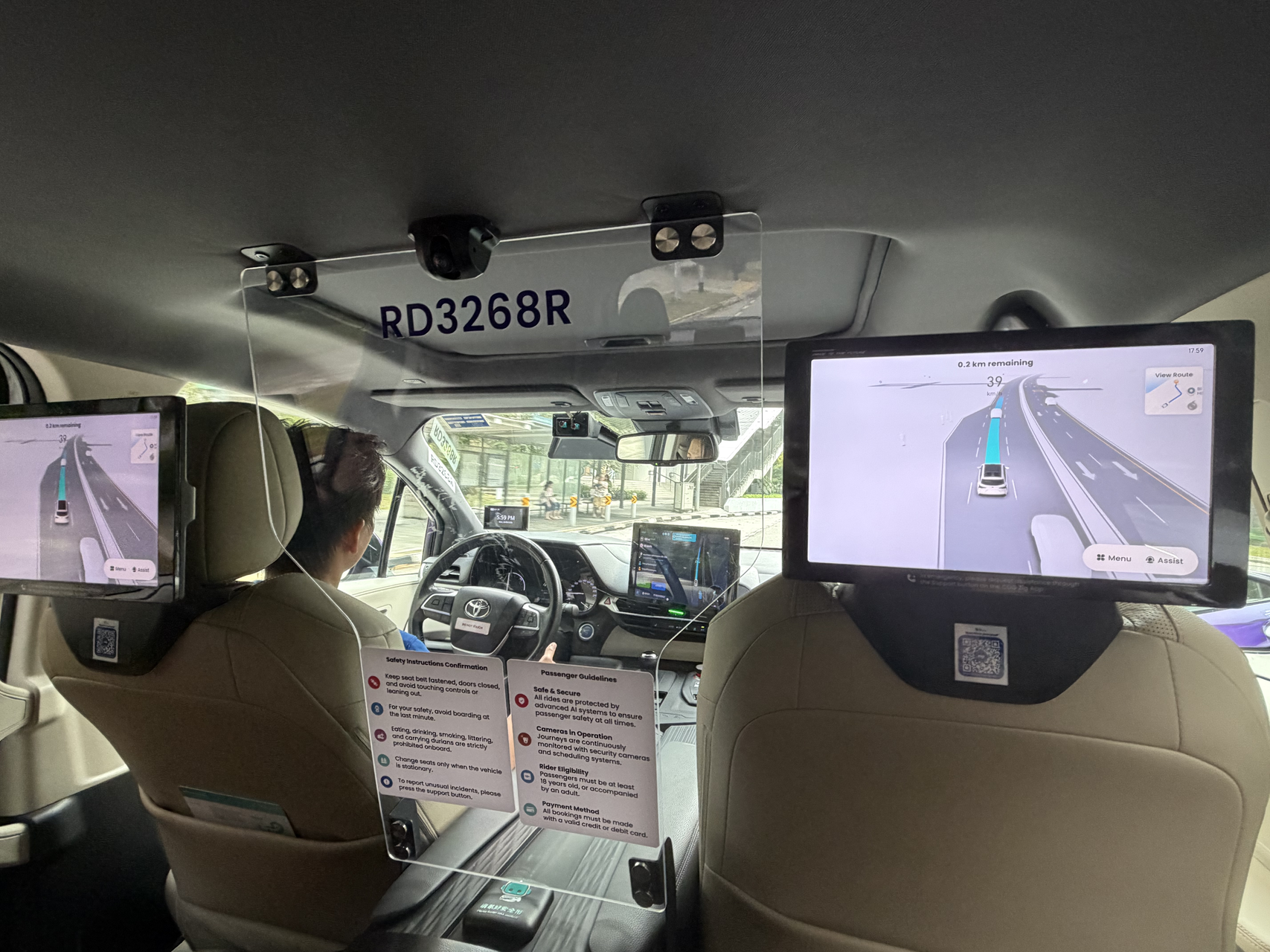
If driverless cars already work, why aren’t they everywhere?
People’s Daily rejects US claims of malicious AI distillation, warns of countermeasures
Sumsub Launches Workforce Verification as Deepfake Risks Grow
ByteDance’s AI-enhanced short-drama app eclipses China’s Netflix rivals combined

Timo Joins Top 10 Banks in Vietnam by Customer Satisfaction