Blue sweep could bring AI hurdles
Taiwanese companies planning investments in US artificial intelligence (AI) infrastructure, such as data centers, may encounter new obstacles following recent US midterm elections. Several states passed ballot measures opposing such projects, and some newly elected governors campaigned on platforms skeptical of AI development, according to reports from Taipei.
Recent US midterm election outcomes introduce specific challenges for AI-related infrastructure development. Forty-one ballot measures restricting data center projects were introduced across 10 states, with voters in North Dakota being the only ones to reject a proposal mandating industrial reviews for such facilities. Additionally, a governor-elect in Texas campaigned on a platform calling for immediate reviews and tighter regulations for data center infrastructure.
The reported voter opposition to data centers stems from concerns over rising water and electricity bills, alongside environmental pollution. Since state governments hold the authority to grant construction permits and enforce environmental regulations, this public sentiment could translate into direct restraints for new projects, affecting firms planning to expand their AI business in the US.
For Taiwanese firms, this political climate introduces uncertainty, particularly in regions previously identified as key for AI industrial clustering. Institute of National Policy Research chairman Tien Hung-mao noted that the impact of a less supportive Texas governor on Taiwanese companies' willingness to make further investments in US data center infrastructure and the semiconductor supply chain "remains to be seen."
Despite these localized investment hurdles, Roy Lee of the Chung-Hua Institution for Economic Research suggests the US midterm election results are unlikely to alter the bipartisan consensus on strategic competition with China, particularly regarding export controls on dual-use technologies and advanced chips. He also stated that Taiwan-US trade relations are not expected to reverse, although a Democrat-controlled Congress might review future agreements.
Share this article
Related reading
6 stories
OpenAI’s Dots are coming up against the price of privacy, and the price of compute
We explored the rising cost of compute and privacy concerns, which are now fueling voter opposition to data centers.
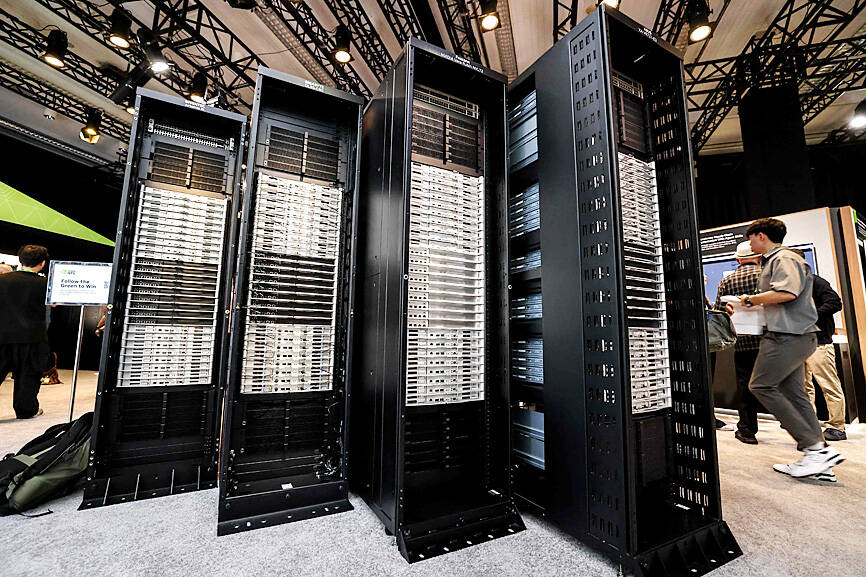
Global AI server shipments expected to jump 36%
The expected jump in global AI server shipments will only intensify the infrastructure challenges highlighted here.
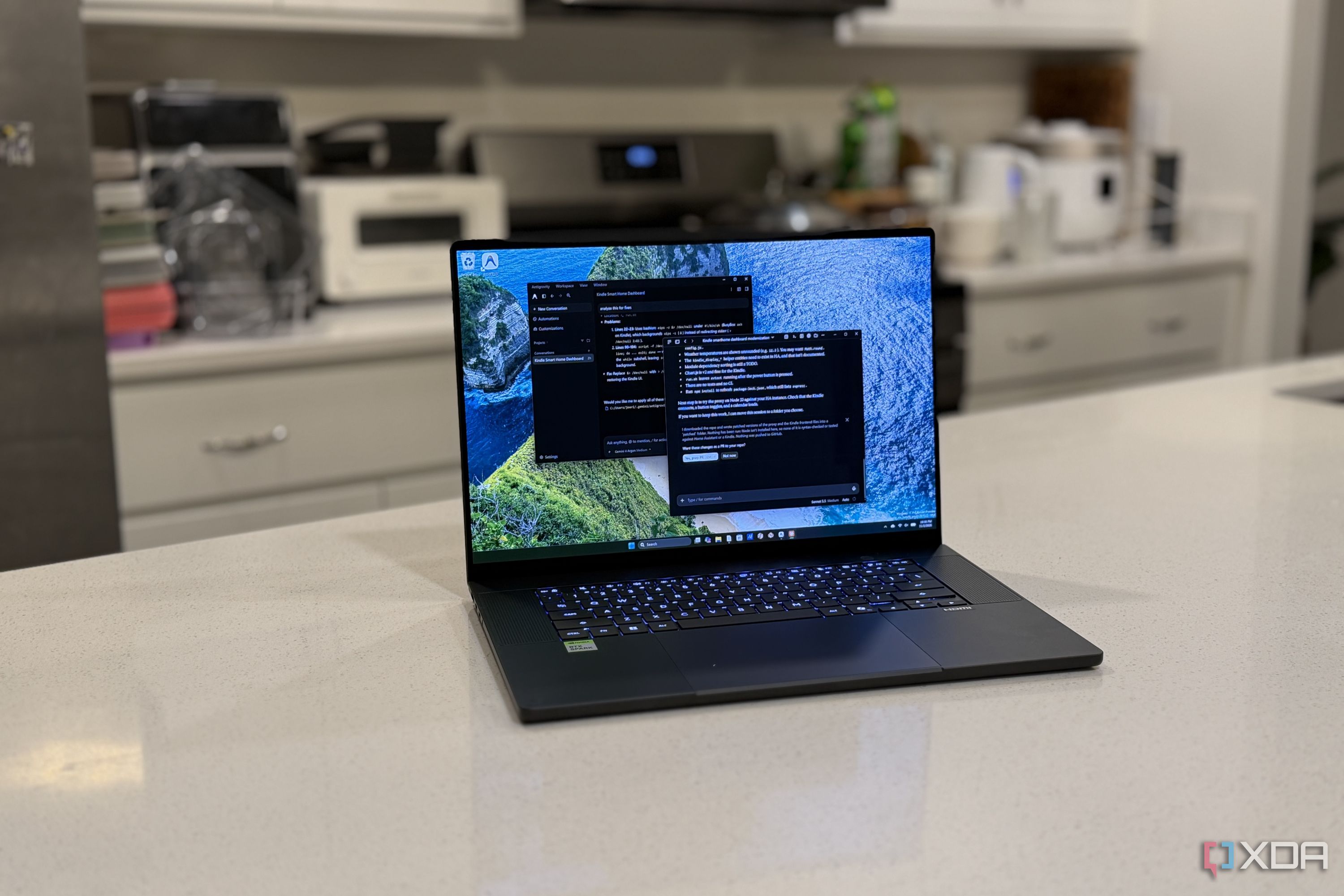
I gave Gemini 4 Argon in Antigravity and Claude Code the same messy side project, and only one of them left it better than it found it

U.S. Teachers Revive Oral Exams, Handwriting to Counter AI

Nasdaq rebounds but posts fourth straight weekly decline