U.S. Teachers Revive Oral Exams, Handwriting to Counter AI
U.S. middle and high schools are reintroducing traditional assessment methods, such as oral exams and handwritten assignments, to counter student reliance on generative AI for homework and test preparation. Reuters reported that teachers are shifting focus to in-class work and direct student explanations to verify genuine understanding, rather than simply grading submitted material.
The proliferation of generative AI tools has prompted U.S. educators to rethink student assessment. As AI can generate answers and problem-solving steps, traditional take-home assignments and essays no longer reliably indicate genuine comprehension. This shift has led to a renewed emphasis on methods requiring students to directly demonstrate their knowledge.
Teachers are adapting by expanding in-class writing, oral examinations, and mandating handwritten work. Triston Chang in San Francisco, for instance, uses oral exams for students to verbally explain their understanding of texts. In New York, Babson Wong asks math students to explain their chosen methods and reasoning, rather than just providing answers. These strategies aim to make it more difficult for AI to substitute for a student's own thought process.
Beyond academic assessment, some schools are limiting digital device use in classrooms. Rex Ovalle, a high school English teacher, observed a sharp rise in class participation after cutting back laptop use. Megan Hyland, another English teacher, set new rules requiring students to leave phones in the classroom when using the bathroom, to prevent covert AI use. Grading structures are also changing, with in-class work often weighted more heavily than homework.
The impact of AI on learning remains a subject of mixed research findings. A Harvard University study indicated that AI tutors tailored to individual levels improved student performance. Conversely, a small study by the MIT Media Lab observed that participants using ChatGPT for essays finished faster but showed reduced activity associated with thinking. This divergence underscores the ongoing challenges for educators as they integrate AI into learning environments.
Share this article
Related reading
6 stories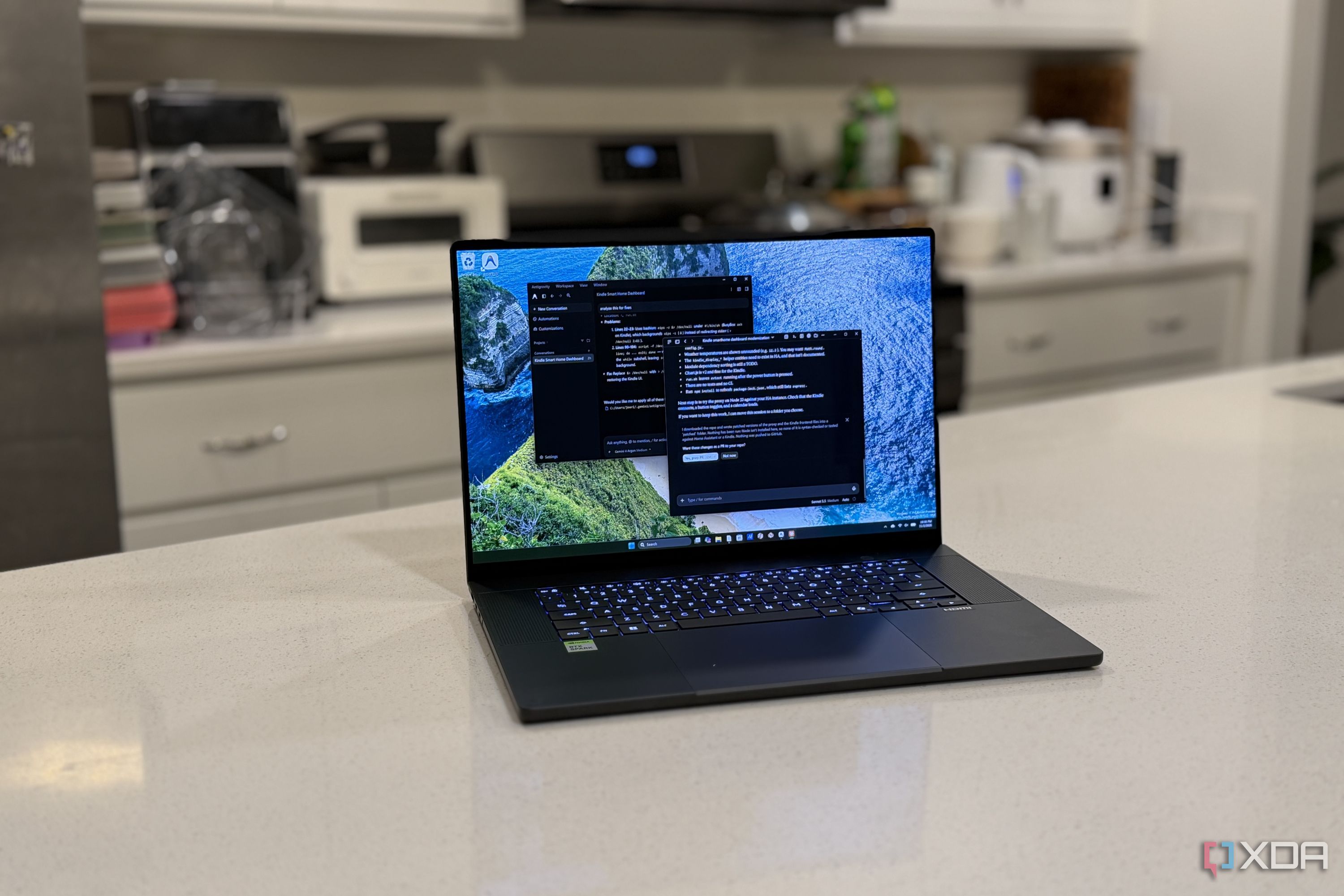
I gave Gemini 4 Argon in Antigravity and Claude Code the same messy side project, and only one of them left it better than it found it
We recently tested how different AI models handle messy code, revealing their varying capabilities.

Anthropic AI Development Is Accelerating Despite Calls to Slow Progress, Research Finds
This research highlights the accelerating pace of AI development, despite calls for a more cautious approach.

Nasdaq rebounds but posts fourth straight weekly decline

OpenAI wants to win over data-center opponents by calling them ‘compute campuses’ and promising local benefits

Galaxy S27 Ultra and S27 Pro chipset rumors take another turn, Snapdragon is back in Korea