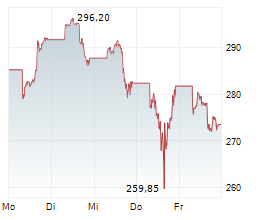
Apple explores using Intel and Samsung to build main device chips in the US
Bringing Taiwan to the World and the World to Taiwan
This potential move by Apple to manufacture main device chips in the US, utilizing Intel and Samsung, carries significant implications for Asia's tech ecosystem. While seemingly a Western-centric development, it underscores a global trend towards supply chain diversification and resilience, directly impacting Asian semiconductor giants. Taiwan, a dominant force in chip manufacturing, particularly TSMC, could face long-term strategic adjustments if major clients like Apple shift even a portion of their production elsewhere. This could prompt Taiwanese foundries to accelerate their own global expansion or deepen their technological competitive edge to retain market share.
For South Korea's Samsung, already a major player in both memory and logic chips, securing a contract with Apple for US-based production would be a substantial win. It would solidify Samsung's position as a leading global foundry and potentially open doors for further collaboration on advanced manufacturing processes. This development also highlights the increasing geopolitical pressures influencing technology supply chains, pushing companies to balance efficiency with national security and economic independence. Asian economies heavily reliant on semiconductor exports will need to adapt to this evolving landscape, potentially by fostering domestic innovation and exploring new market opportunities beyond traditional partnerships.
Related reading
6 stories
People’s Daily rejects US claims of malicious AI distillation, warns of countermeasures

Databricks to Invest Over US$350 Million in Singapore, Double Its Workforce

Personetics Launches AI Banking Console for Relationship Managers

Anthropic Sets October Launch for Singapore Office With Local Hiring Planned
Huawei unveils new optical tech standard in challenge to Nvidia, Broadcom