AMD pushes ROCm for agentic workloads while Intel holds on to OpenVINO
AI agent programs like OpenClaw and Hermes launched in the second half of 2025. This sparked a trend of "keeping lobsters" for on-device AI models. These agents are designed to work with local AI processing. The development points to a shift towards more sophisticated edge AI applications.
The rise of "keeping lobsters" reflects a critical shift. On-device AI models are now pairing with new AI agent programs. This began in the second half of 2025 with launches like OpenClaw and DeepSeek Harness. The trend moves AI processing closer to the user, reducing reliance on cloud infrastructure.
For Asia, this means new opportunities for local hardware manufacturers. Companies in Taiwan and South Korea, already strong in chip production, can capitalize. They will supply the specialized silicon needed for these agentic workloads. This also creates a competitive pressure for cloud providers in the region to adapt their offerings.
The thing to watch is the adoption rate of these on-device agents through 2027. If enterprise and consumer uptake is strong, it will validate the shift from centralized cloud AI. This would accelerate investment in edge AI hardware across Asian markets.
Share this article
Related reading
6 stories
Pine Labs ties up with Google to deploy Gemini-powered AI agents for Indian merchants
Pine Labs is already deploying Gemini-powered AI agents for Indian merchants, showing the trend in action.

Mastercard Launches AI Assistant to Simplify Card Benefits
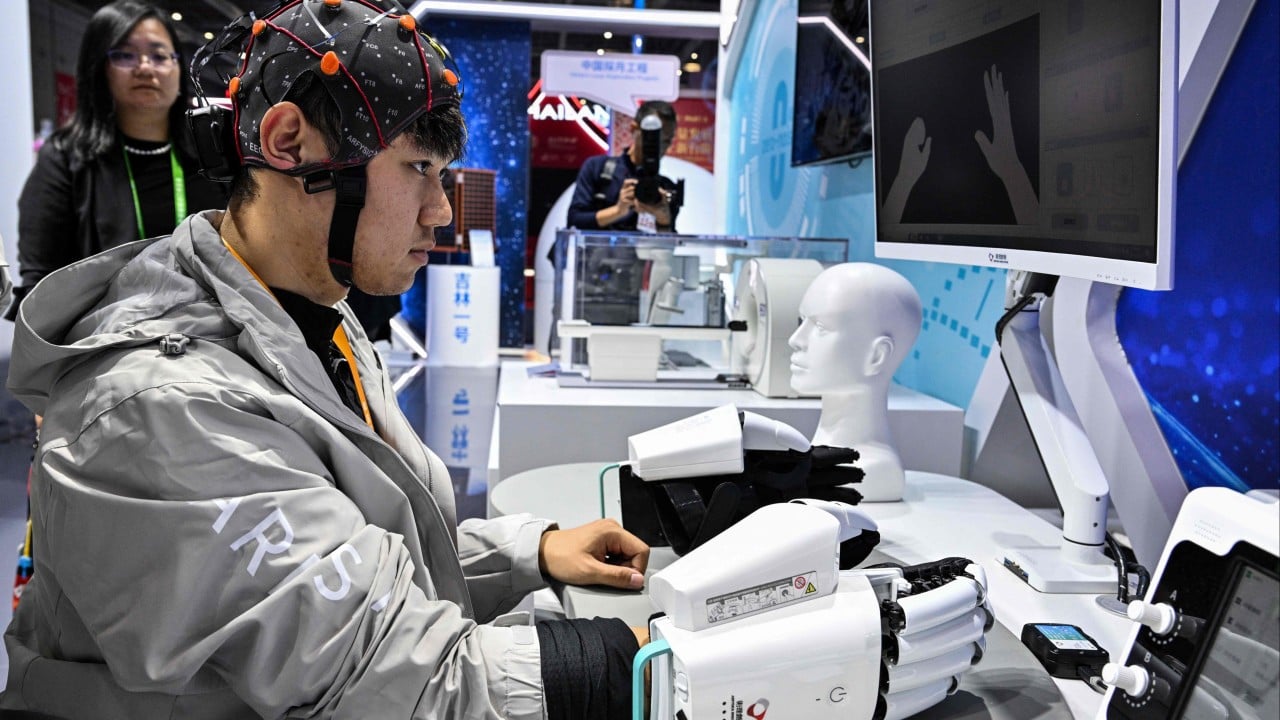
China moves to set global standards for brain-computer interface technology

Visa Tests AI-Powered Business Payments, Introduces New Fraud Controls

China’s Unitree unveils ‘guardian’ robot that can disarm attackers, lift cars