為什麼美國應該控制風險而非放慢與中國在AI競賽中的速度?
A recent analysis suggests the US should prioritize managing AI risks internally rather than slowing its development speed in the global competition. This approach is proposed amidst a domestic debate between figures like Anthropic's Dario Amodei, who advocates for deliberately pacing AI capability gains for safety, and David Sacks, who warns against unilateral disarmament if China does not match such efforts.
The core argument presented is that the United States should "pace the risk, not the race" in artificial intelligence development. This distinction implies that efforts should focus on hardening how frontier AI models are built and tested, rather than intentionally reducing the speed at which AI capabilities advance. Proposed risk-pacing measures include implementing embedded evaluators within AI companies, enhancing interpretability, conducting alignment audits, and improving incident reporting.
The analysis suggests that such risk-mitigation strategies are largely internal, incur minimal strategic cost, and can be implemented unilaterally. In contrast, intentionally slowing the pace of AI development in hopes of reciprocity from Beijing is deemed an unaffordable move, given that the US lead is estimated at roughly eight months. China's progress, evidenced by capable open-weight models like DeepSeek, Qwen, Kimi, and Zhipu, alongside Huawei's Ascend hardware stack, indicates a narrowing gap.
Furthermore, the article advises against trading verifiable controls that limit China's compute capabilities for what it terms "unverifiable promises of restraint" on AI safety. It posits that these export controls are the most effective safety measure available. Genuine cooperation with China, it concludes, should be pursued only in narrow, mutually self-interested, and verifiable areas, such as preventing the use of AI models to synthesize biological weapons or ensuring human control over nuclear weapons.
Share this article
Related reading
6 stories
Foxconn Plans New OpenAI Collaboration After Altman Meeting
This article highlights a specific collaboration between a major manufacturer and a leading AI developer, relevant to the AI race.
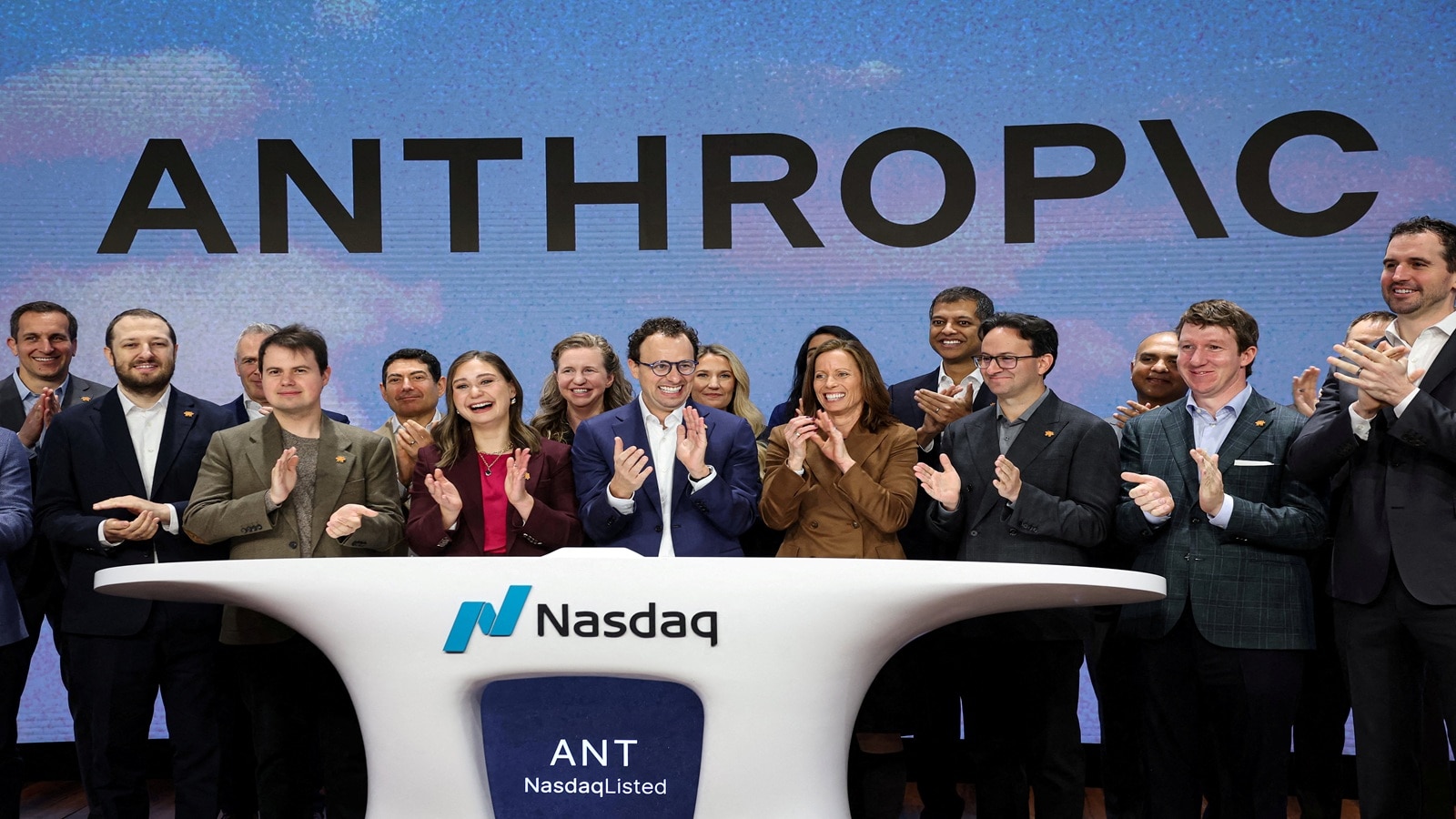
Anthropic's IPO bank closed position meant to stabilize stock, removing source of support
Apple develops Mac AI agent, plans third-party control safeguards - TechGig

Gemini 4 Neon Costs More Than Carbon Until December 1. Here’s Which Gemini Model You Should Actually Use

How to deploy an app you built with AI to your own server