Xiaomi launches Skynomad N90 Max Explorer Edition with a built-in pop-up loft and heated floor
Xiaomi has introduced the Skynomad N90 Max, an extended-range electric SUV, alongside a specialized Explorer Edition. The standard seven-seat model is priced at 269,900 yuan ($40,215), while the Explorer Edition, featuring a built-in pop-up roof and heated floor, costs 299,900 yuan ($44,685). Both versions share a dual-motor all-wheel-drive system, a 76kWh battery, and a 60-liter fuel tank, offering a combined range of over 1,688km. The Explorer Edition includes a two-level interior with a loft area and a cabin floor with underfloor heating, running on Xiaomi’s HyperOS with advanced driver assistance features. Deliveries are projected to commence between November and December 2026.
Xiaomi's entry into the extended-range electric SUV market with the Skynomad N90 Max, particularly the Explorer Edition, reflects a growing trend among Chinese tech companies to diversify beyond consumer electronics into automotive. The Explorer Edition, with its integrated pop-up loft and heated floor, targets a niche lifestyle segment, offering a distinct feature set at a competitive price point of 299,900 yuan. This move suggests Xiaomi is not merely entering the EV space but is actively innovating with unique form factors to capture market share. The integration of HyperOS and advanced driver assistance systems, including dual LiDAR, positions the Skynomad N90 Max as a technologically robust offering. However, the projected delivery timeline of November to December 2026 is a significant wait in a rapidly evolving market. This extended lead time could present a challenge for Xiaomi in maintaining consumer interest and fending off competitors who may introduce similar or more advanced features sooner in the dynamic Chinese EV market.
Related reading
6 stories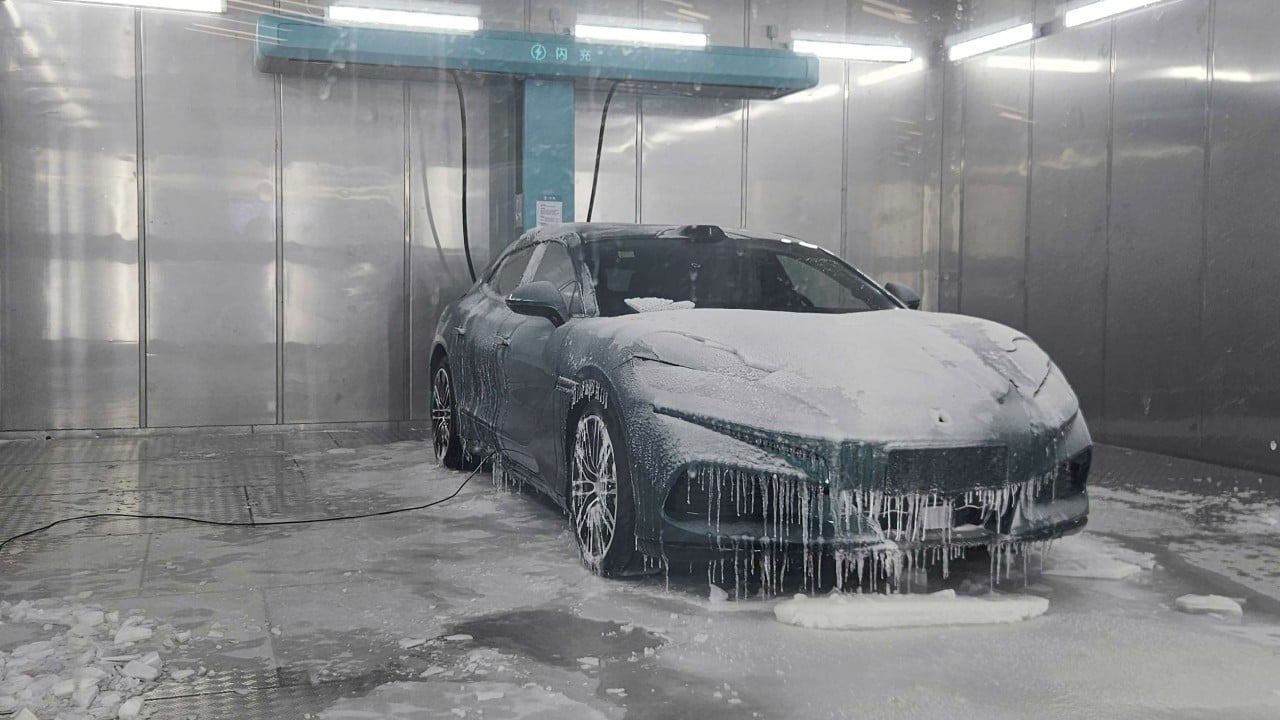
From BYD cars to DJI drones, Guangdong showcases tech prowess ahead of Apec summit
Xiaomi's EV launch highlights China's tech prowess, a theme we explored with BYD cars and DJI drones.
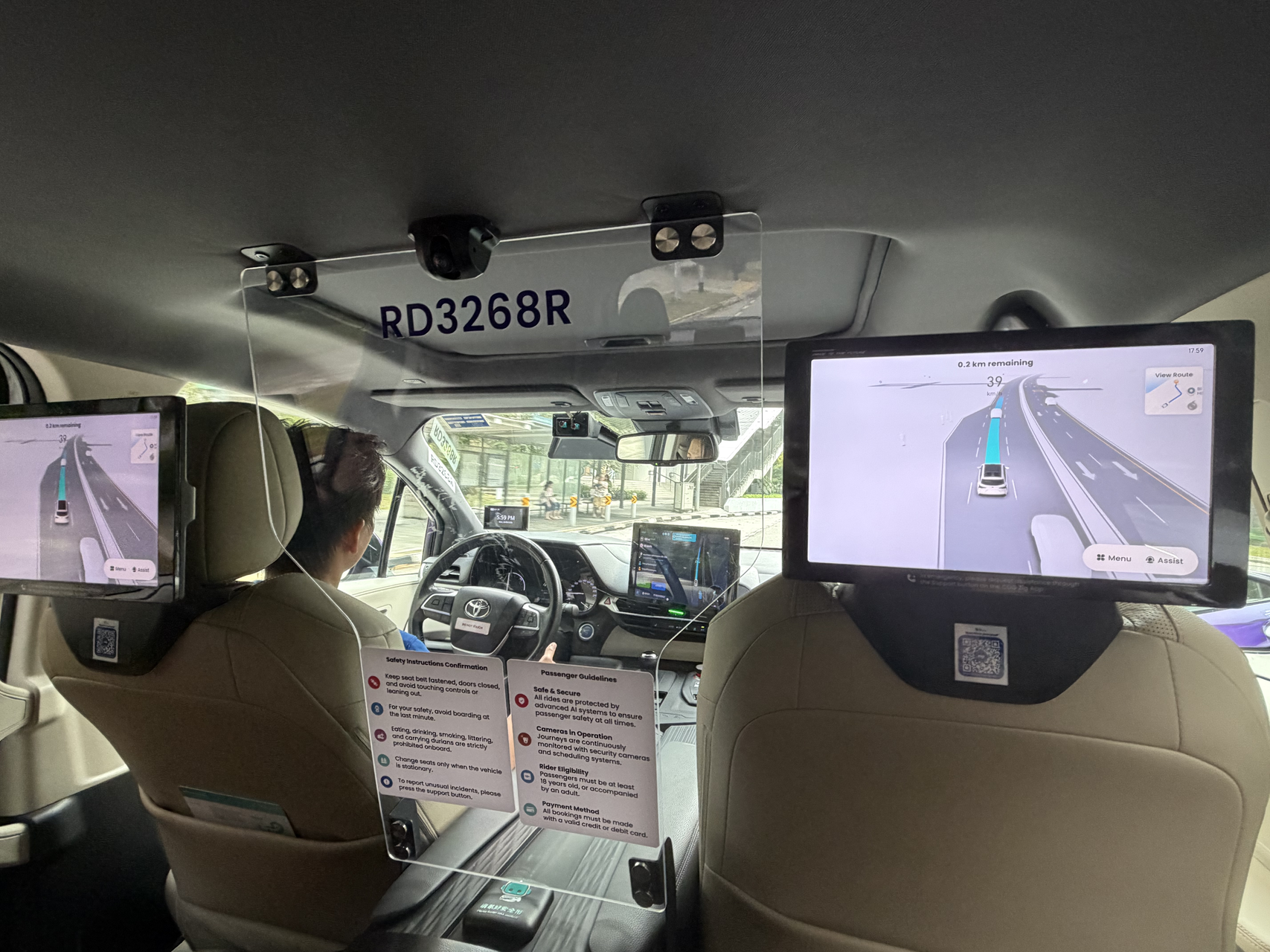
If driverless cars already work, why aren’t they everywhere?

People’s Daily rejects US claims of malicious AI distillation, warns of countermeasures

Databricks to Invest Over US$350 Million in Singapore, Double Its Workforce

Sumsub Launches Workforce Verification as Deepfake Risks Grow