Xi and Trump seek safe AI without slowing the race for supremacy
The US and China prioritize AI safety without hindering their race for technological dominance. Both nations are focused on global supremacy, not existential risks. This stance contrasts with Silicon Valley's concerns about AI's potential to wipe out humanity. Washington and Beijing aim to control AI development and deployment. Their focus remains on national power and competitive advantage.
The core of the US-China AI dynamic is a race for supremacy, not a shared concern for humanity's survival. Both nations view AI as a strategic asset. Their leaders, Xi and Trump, seek to ensure AI safety only insofar as it supports national security and economic power. This is a pragmatic, power-first approach to a transformative technology.
For Asia, this means continued pressure on chip supply chains and AI talent. Countries like South Korea and Taiwan, home to critical semiconductor manufacturers, will face increased demands. They must navigate export controls and intellectual property disputes. Their national AI strategies will also align with either US or Chinese standards, creating a bifurcated market.
The thing to watch is how quickly China can close its semiconductor gap. If China achieves self-sufficiency in advanced AI chips by 2030, the US leverage diminishes. This would fundamentally alter the balance of power in the global AI race.
Related reading
6 stories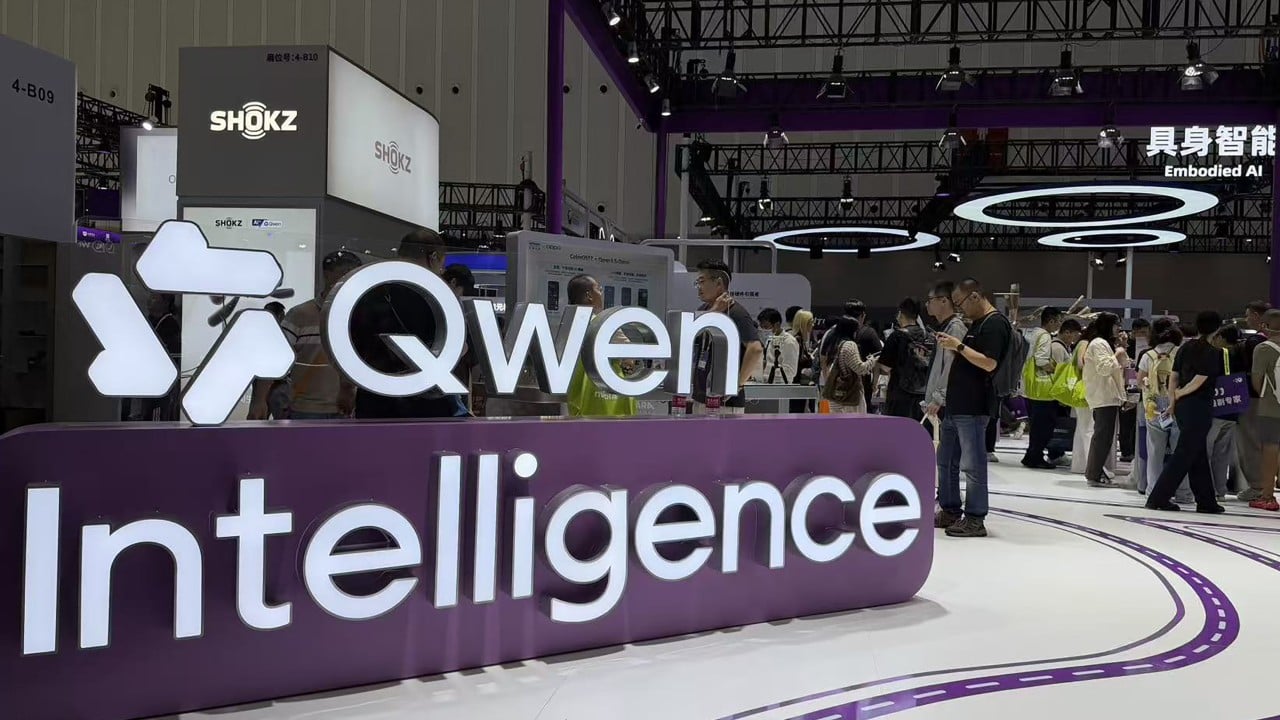
Alibaba unveils ‘pragmatic’ AI road map to drive monetisation, infrastructure efficiency
Alibaba's pragmatic AI roadmap reflects the same power-first approach to AI development seen in US-China relations.
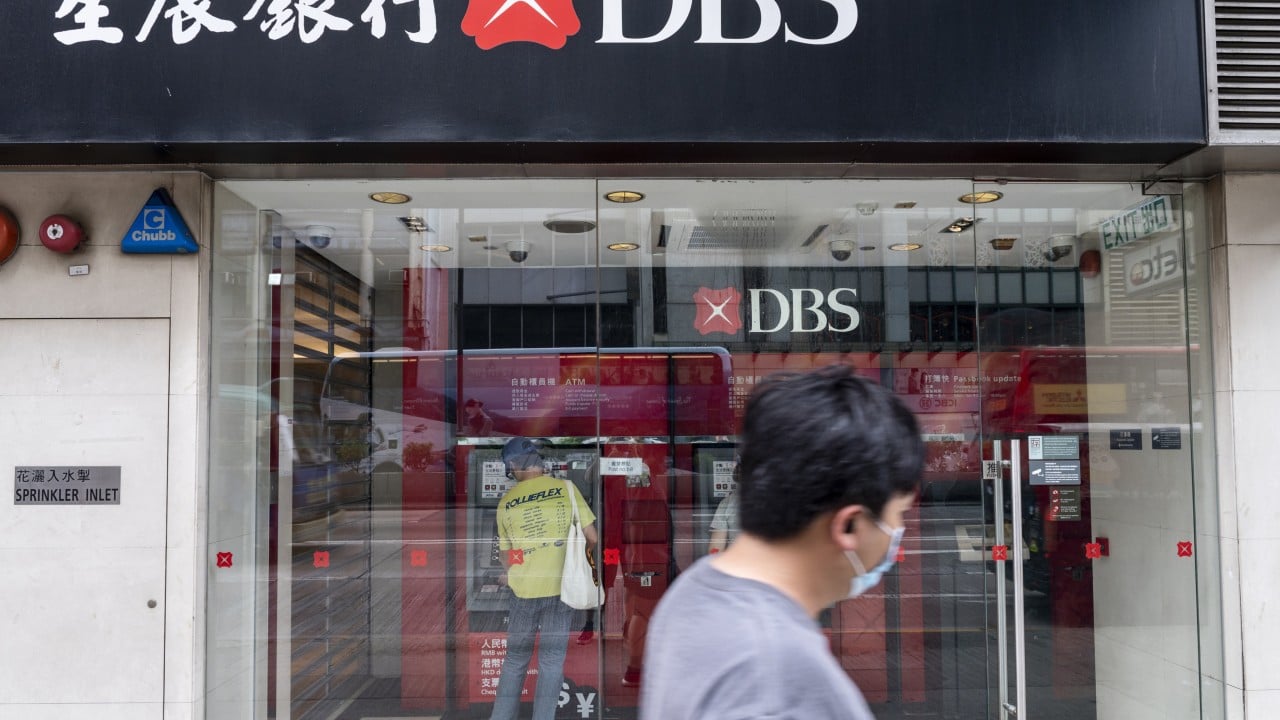
Investors pivot to selective China bets in technology as property growth fades: DBS Bank
Investors' selective China tech bets highlight the strategic economic shifts driven by the US-China AI race.
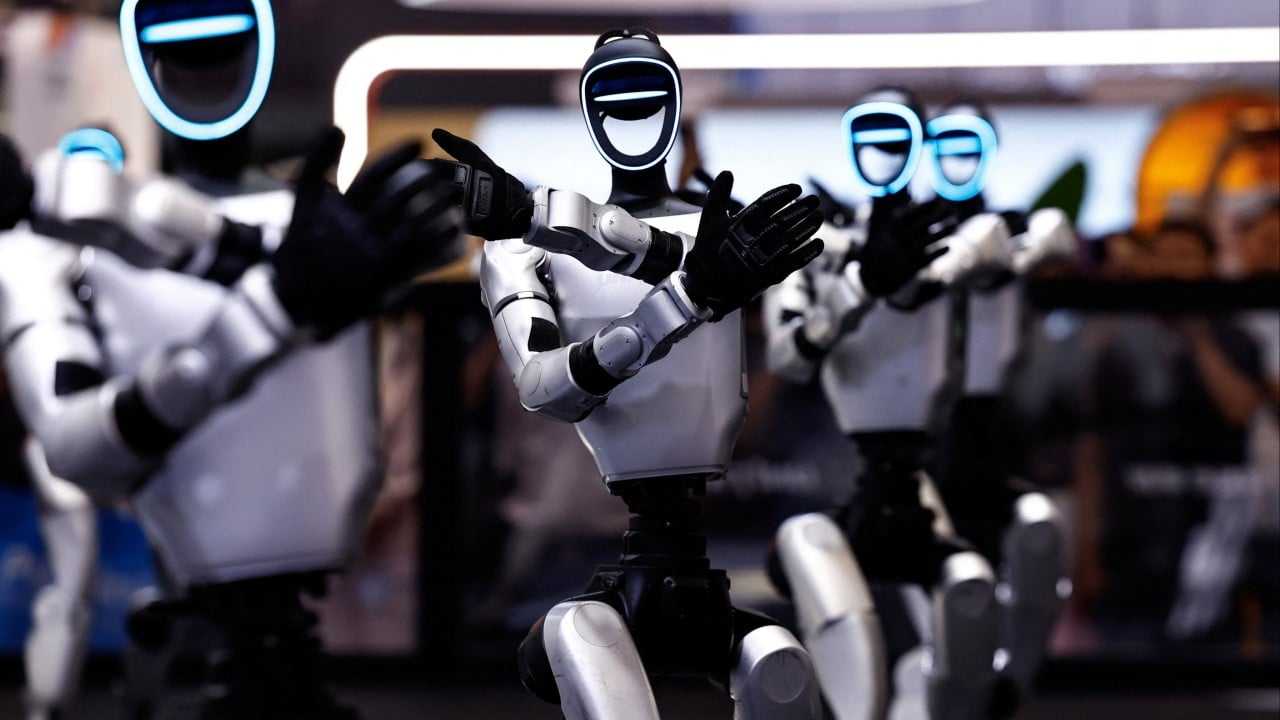
China’s humanoid robot IPO slowdown no threat to firms with ‘genuine strength’: Deloitte
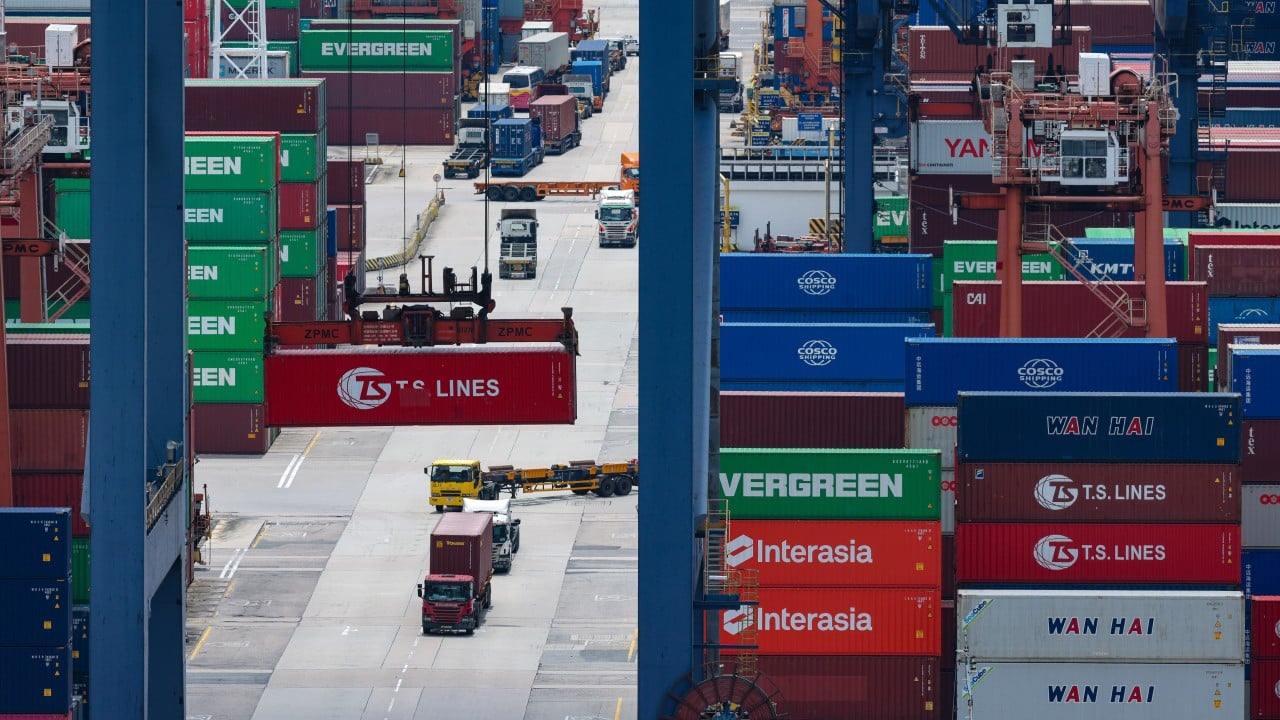
Hong Kong exports surge 53% to HK$667.9 billion, second highest on record
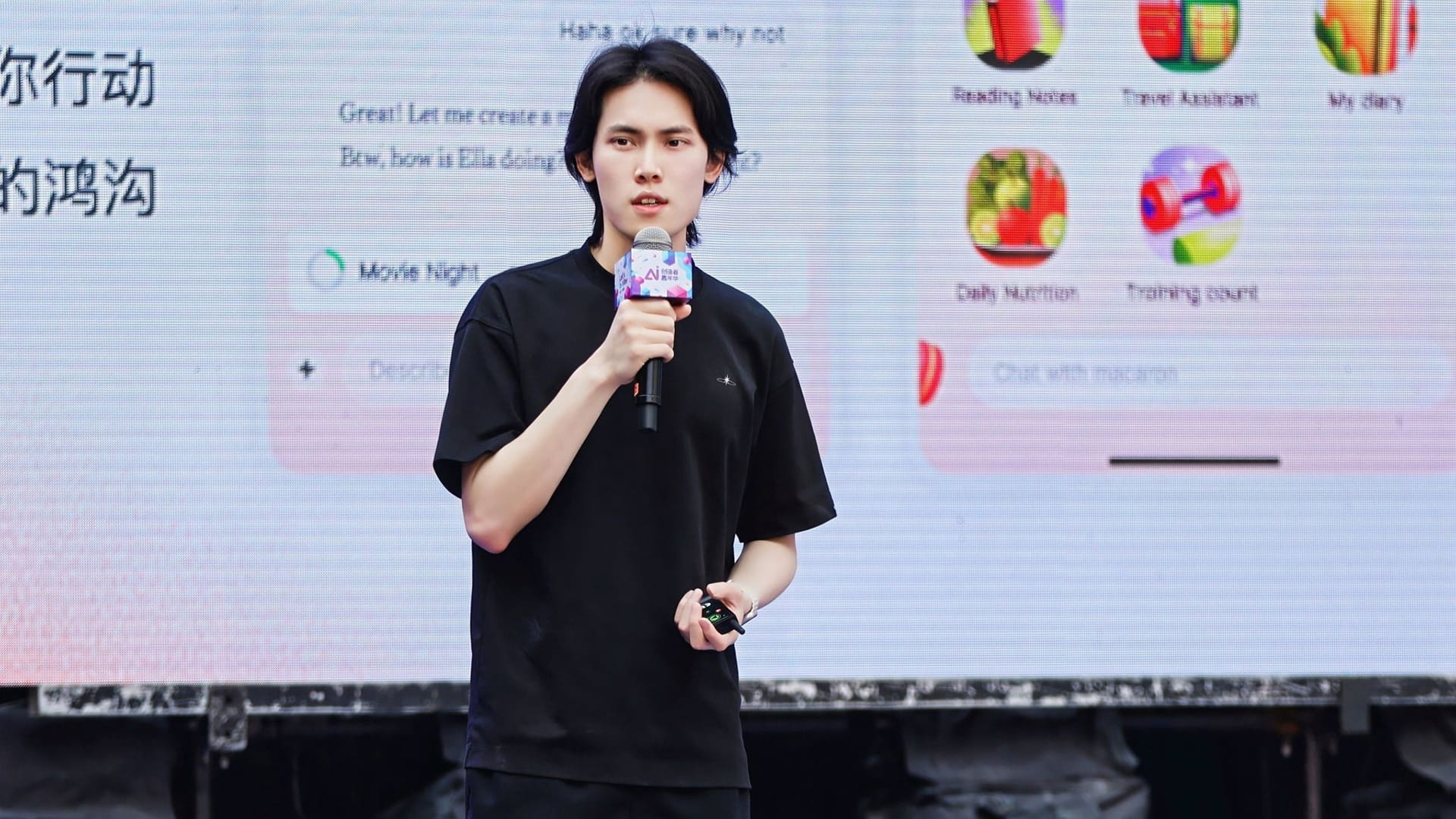
Mind Lab builds Mint Recursive to help companies train their own AI