
World Bank: PHL may reach high-income status only by 2053
The Philippines is facing a significant delay in achieving its goal of becoming a high-income economy. The World Bank has revised its projections, indicating that the country may not reach this milestone by the previously targeted year of 2040. Instead, the new forecast suggests that high-income status could be attained only by 2053, even under a scenario of stronger economic reforms. This extended timeline has implications for long-term development strategies and economic planning within the nation. The World Bank's assessment highlights the challenges and the pace of progress required for the Philippines to elevate its economic standing.
The World Bank's revised projection for the Philippines' high-income status has significant implications for Asia's tech and startup ecosystem. A prolonged period in middle-income status often means a slower pace of domestic capital accumulation and potentially less disposable income for consumers, which can impact the growth trajectory of local tech startups. While foreign investment might still flow in, the maturation of the local market for tech products and services could be delayed, affecting areas like fintech adoption, e-commerce penetration, and the scaling of digital businesses that rely on a robust domestic consumer base.
Furthermore, a slower economic ascent could influence government spending and policy priorities. Investments in critical digital infrastructure, tech education, and startup incubation programs might not accelerate as quickly as they would in a rapidly developing high-income economy. This could create a more challenging environment for startups seeking local funding, talent, and regulatory support. For regional tech giants looking to expand, the Philippines might remain an attractive market due to its large population, but the purchasing power and the speed of digital transformation could lag behind other fast-growing Asian economies, necessitating adjusted market entry and growth strategies.
Share this article
Related reading
6 stories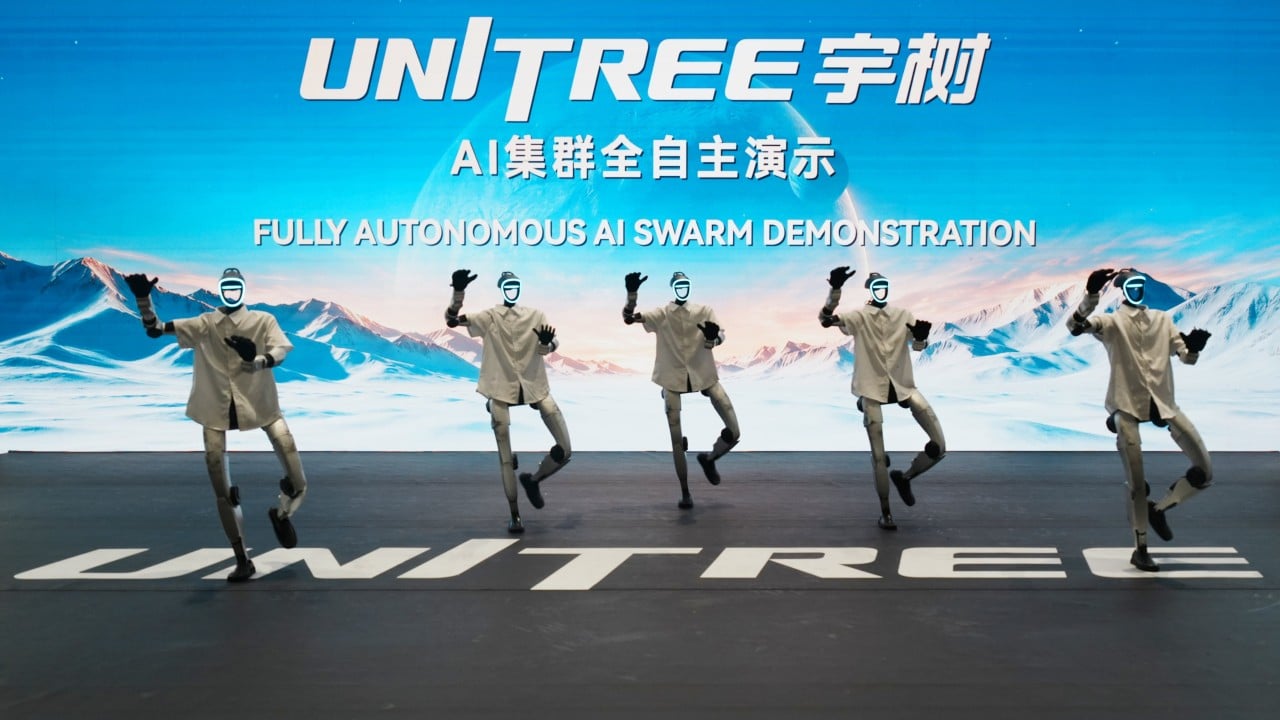
Unitree developing AI system to let humanoid robots improve themselves
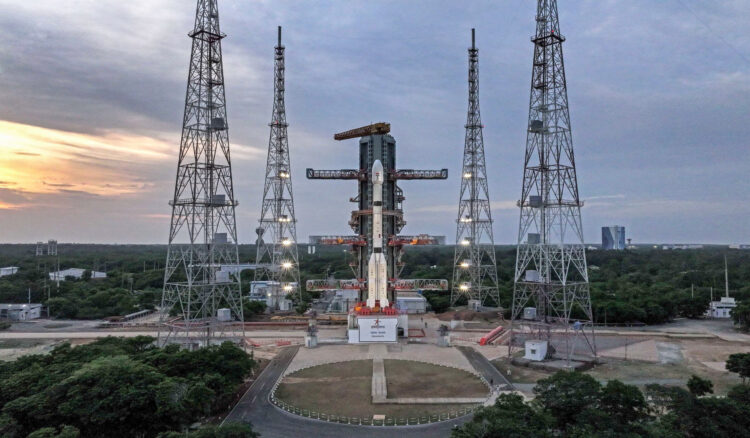
India’s Aerospace Industry Likely To Grow Twice As Fast As Global Market: Report

Oppo Find X10 vs Vivo X300 Pro vs Samsung Galaxy S26 Plus: Price in India, camera, battery, processor and other specs compared
DeepSeek wrapping up US$15 billion fundraising to fuel AI race

Andrew Ng Interview: Is AI fearmongering a funding stunt?
