With US-patented tech, GalaxEye plans to launch 30 satellites in 5 years
Indian startup GalaxEye plans to launch 30 satellites over five years, equipped with US-patented technology that combines optical and Synthetic Aperture Radar (SAR) imaging. This approach aims to deliver clearer images despite atmospheric conditions like smoke and clouds, a limitation for traditional optical systems, according to the company.
GalaxEye's patented technology addresses a practical constraint in satellite imaging: the inability of optical sensors to penetrate clouds or smoke. By integrating SAR, which uses radar signals to create images and can operate in all weather conditions, the company aims to offer a more reliable data stream for applications requiring consistent imagery, such as environmental monitoring or disaster response.
The US patent grant indicates a level of technical novelty recognized by a significant intellectual property authority. For a startup, securing such a patent can be a valuable asset, potentially attracting investment and establishing a competitive edge in the rapidly evolving space technology sector. It also suggests a focus on proprietary technology as a core part of its business model.
The plan to deploy 30 satellites within five years represents an ambitious scaling effort for a startup. Achieving this target would significantly expand their data collection capacity, moving beyond a single-satellite demonstration to a more robust constellation. This expansion is crucial for providing frequent revisit times and comprehensive coverage, which are often requirements for commercial earth observation services.
Share this article
Related reading
6 stories
South Korean president orders probe into data leaks across financial industry

India fastest-growing Asia market for NetApp; BFSI and public sectors key growth drivers: CEO
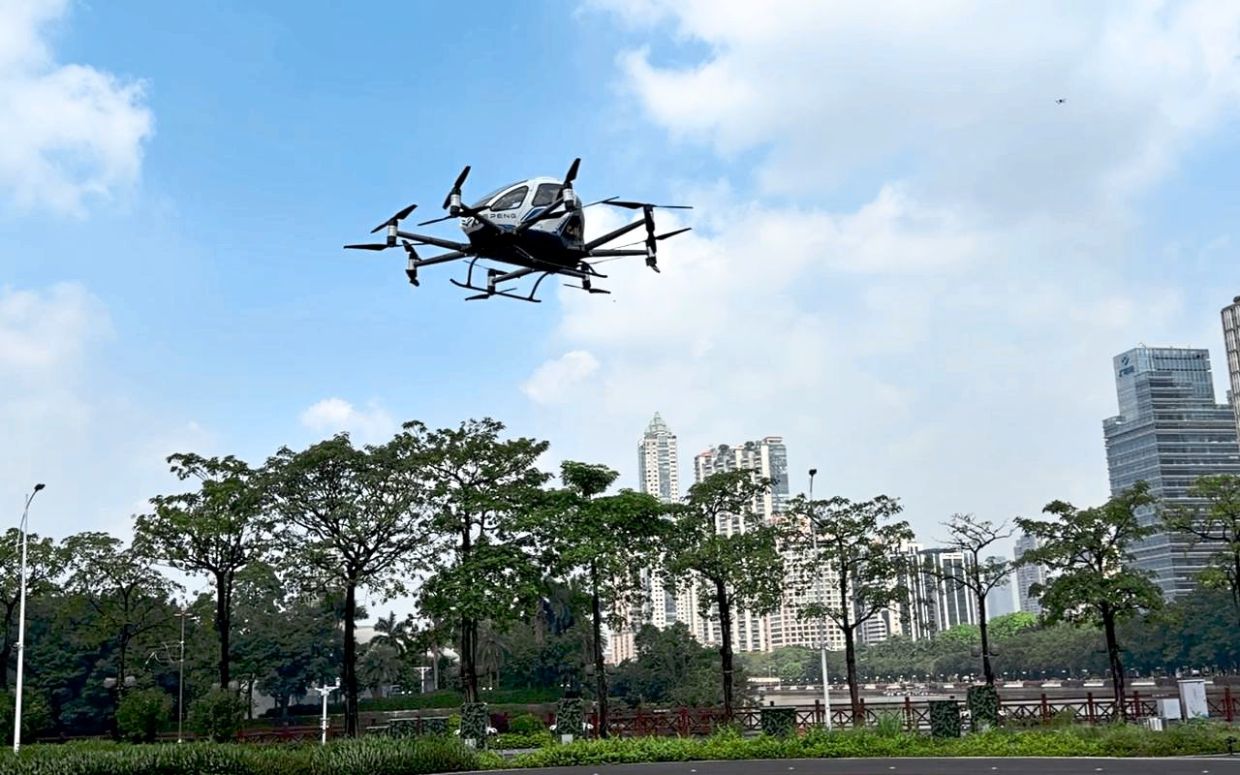
Taxiing out a low-altitude economy

The G7 Is Releasing Emergency Fuel Reserves. How Much Will It Help Americans?

Quote of the day by ARC Prize co-founder François Chollet: "OpenAI basically set back progress to AGI by five to 10 years"