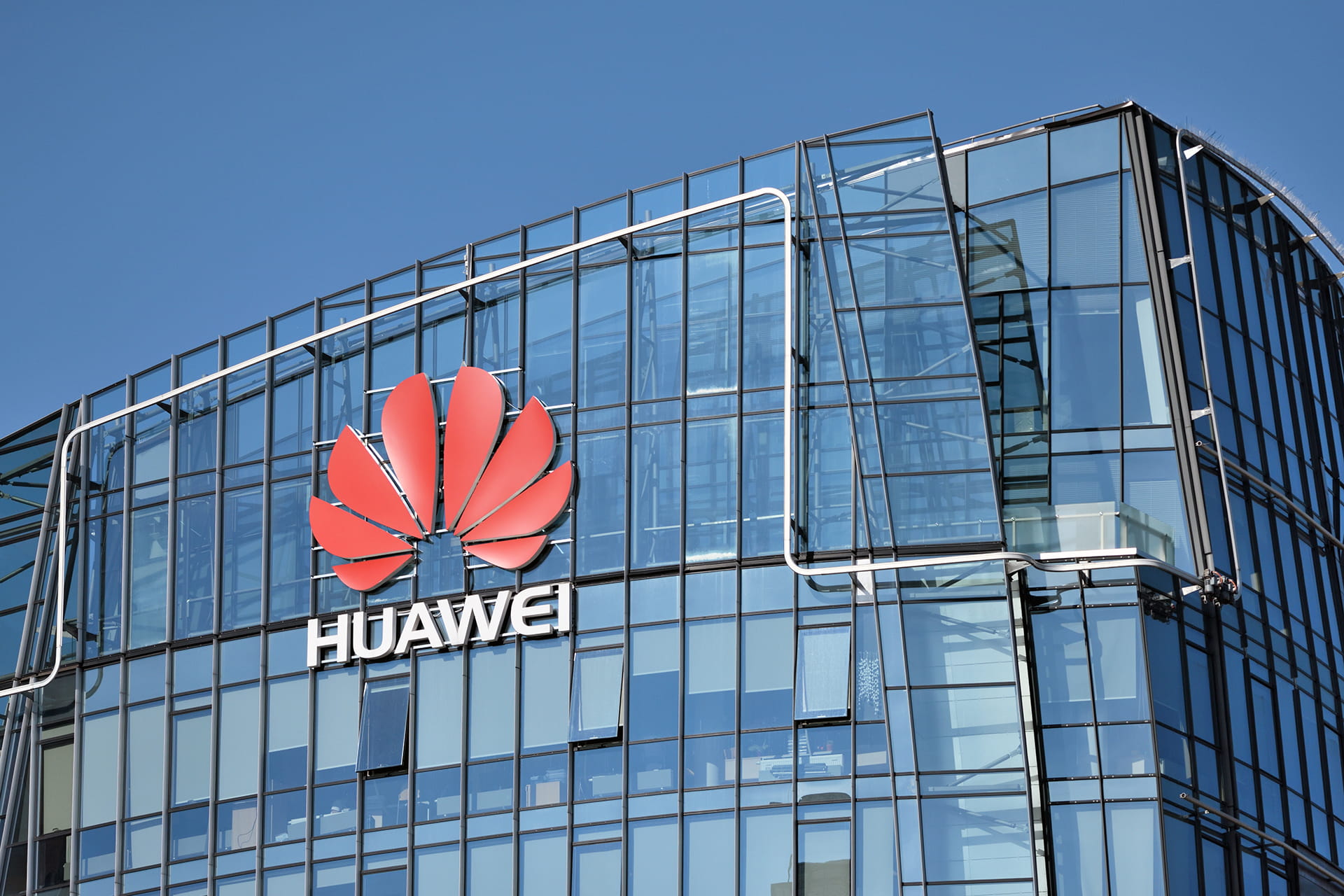
Wingtech says core of Nexperia China unit now based on mainland, can operate independently
Wingtech Technology, a Chinese company, has announced that the core operations of Nexperia’s Chinese unit are now fully localized on the mainland. This strategic move aims to establish an independent management, research and development, and production framework for Nexperia China. Wingtech chairwoman Ruby Yang Mu confirmed that these teams possess complete operational decision-making authority within the country. This development is part of Wingtech’s broader effort to regain control of the Dutch chipmaker, signaling a significant step towards insulating Nexperia’s local business from external pressures and fostering self-sufficiency in its Chinese operations.
This development underscores a growing trend of localization and supply chain resilience within China’s technology sector, particularly in critical areas like chip manufacturing. By establishing Nexperia China as an independently managed entity with local R&D and production, Wingtech is not only aiming to secure its operational continuity but also to mitigate risks associated with geopolitical tensions and potential export controls. This move reflects a broader national strategy to enhance domestic capabilities and reduce reliance on foreign technology, aligning with China’s long-term goals of technological self-sufficiency. It also highlights the increasing pressure on multinational corporations to adapt their operational structures in response to evolving geopolitical landscapes.
For Asia’s tech ecosystem, this could lead to a more fragmented global supply chain, with regional hubs developing independent capabilities. It also signals a potential shift in power dynamics, as Chinese companies gain greater control over key technological assets and intellectual property within their borders. This strategy could encourage other Asian nations to pursue similar localization efforts, fostering a more diversified and resilient regional tech landscape but also potentially increasing trade barriers and regulatory complexities for companies operating across multiple jurisdictions. The long-term implications include accelerated domestic innovation and a more competitive global market for semiconductors.
Related reading
6 stories
People’s Daily rejects US claims of malicious AI distillation, warns of countermeasures

Databricks to Invest Over US$350 Million in Singapore, Double Its Workforce
ByteDance’s AI-enhanced short-drama app eclipses China’s Netflix rivals combined

Personetics Launches AI Banking Console for Relationship Managers

Anthropic Sets October Launch for Singapore Office With Local Hiring Planned