Will China’s lead in AI regulation force the US to rethink its approach under Trump?
Former US President Donald Trump recently halted plans for an executive order aimed at reviewing advanced artificial intelligence models, citing concerns that such regulations could impede America’s competitive advantage against China. Trump expressed his belief that the proposed order might act as a “blocker” to US leadership in AI, emphasizing the need to maintain the current lead over other nations. This decision comes amidst growing discussions around AI safety and the varying regulatory approaches being adopted by global powers. The move highlights a strategic divergence in how major economies are balancing innovation with oversight in the rapidly evolving AI landscape.
The US decision to pump the brakes on AI regulation, particularly under the guise of maintaining a competitive edge against China, has significant implications for Asia’s tech ecosystem. China has been proactive in establishing a robust regulatory framework for AI, covering areas from data privacy to algorithmic transparency. This divergence creates a complex landscape for Asian tech companies operating or aspiring to operate in both markets, potentially requiring them to navigate two vastly different compliance environments.
Furthermore, the US stance could influence how other Asian nations approach AI governance. Some might see the US’s innovation-first approach as a model to foster domestic AI development, while others might lean towards China’s more regulated path to address societal concerns. This geopolitical dynamic will shape investment flows, talent migration, and the overall trajectory of AI innovation across the continent, with companies needing to adapt to a fragmented global regulatory environment.
Related reading
6 stories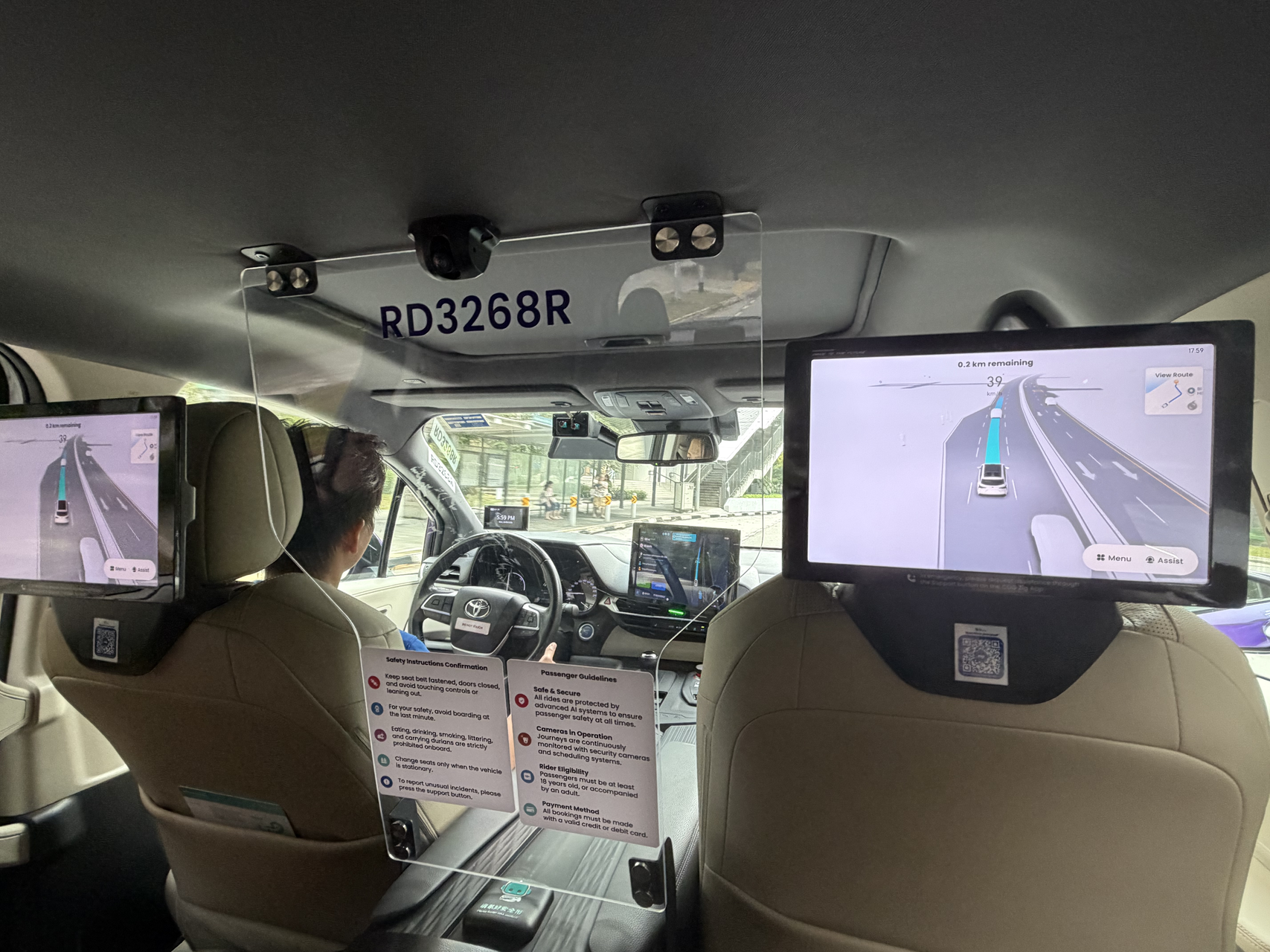
If driverless cars already work, why aren’t they everywhere?
People’s Daily rejects US claims of malicious AI distillation, warns of countermeasures

Sumsub Launches Workforce Verification as Deepfake Risks Grow
ByteDance’s AI-enhanced short-drama app eclipses China’s Netflix rivals combined

Timo Joins Top 10 Banks in Vietnam by Customer Satisfaction