Why is Zhongji unveiling US$1.2 billion in buy-backs before its Hong Kong debut?
Zhongji Innolight, a Chinese supplier to US hyperscalers, is planning a significant buy-back scheme valued at up to US$1.2 billion ahead of its anticipated Hong Kong stock market debut. This strategic move is intended to provide global investors with a clear pricing anchor for its shares. The company aims to mitigate potential volatility and ensure a more stable start to trading in the city. By pre-empting a shaky market reception, Zhongji Innolight hopes to build investor confidence and establish a solid foundation for its offshore listing. This initiative underscores the company's proactive approach to its market entry in Hong Kong.
Zhongji Innolight's substantial buy-back plan, preceding its Hong Kong listing, is a telling indicator of the current market sentiment for Chinese tech companies seeking offshore capital. In an environment marked by increased scrutiny and fluctuating investor confidence, particularly for firms with significant US exposure, such a move aims to de-risk the initial public offering process. By establishing a clear valuation floor, Zhongji Innolight attempts to signal stability and attract a broader base of international investors who might otherwise be hesitant due to geopolitical tensions or broader market uncertainties. This strategy could become a blueprint for other Chinese tech firms navigating similar listing challenges. It reflects a growing trend where companies are taking proactive measures to manage market perceptions and ensure a smoother transition to public trading, especially when bridging the gap between domestic operations and international capital markets. The success of this approach will likely influence future listing strategies across the Asian tech ecosystem, particularly for those with a global customer base. It also highlights the strategic importance of Hong Kong as a listing venue, despite its recent challenges, as it continues to serve as a critical gateway for Chinese enterprises seeking international investment.
Related reading
3 stories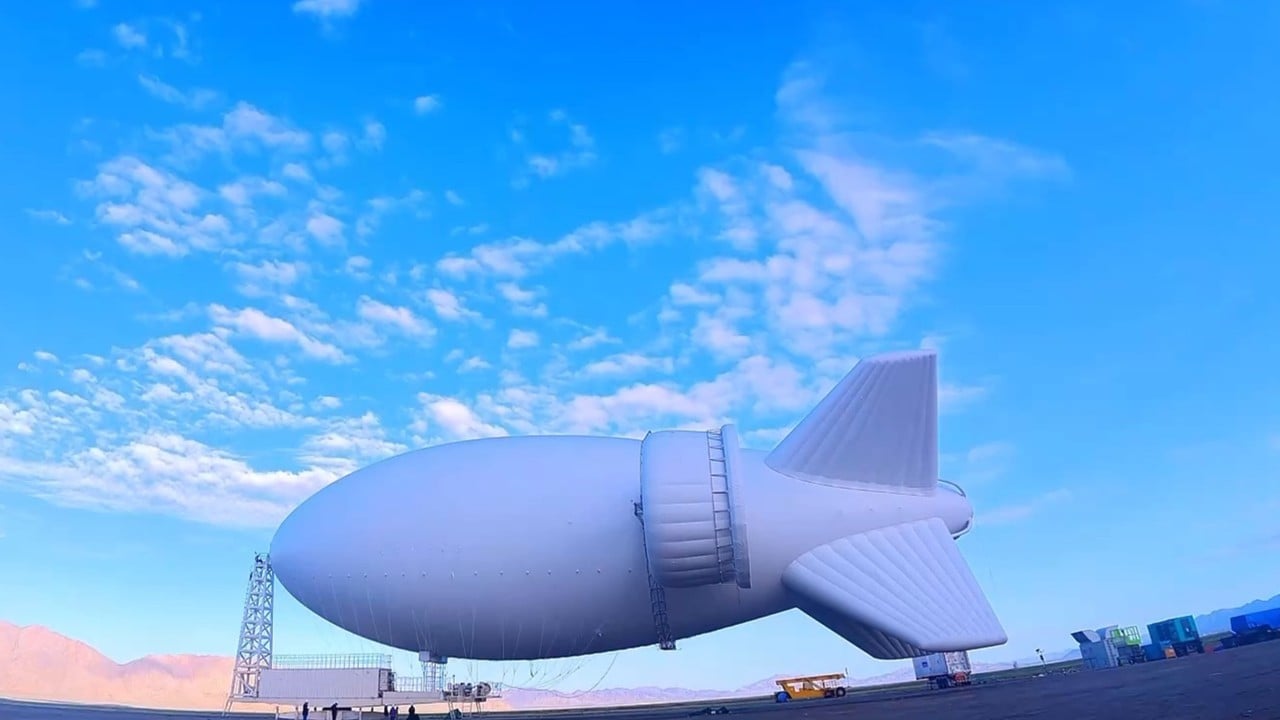
China taps high-altitude winds for power generation by flying craft to 4,000m
Why is Xiaomi doubling down on in-house chips amid a profit slump?