Why CPUs are now at the center of the AI race
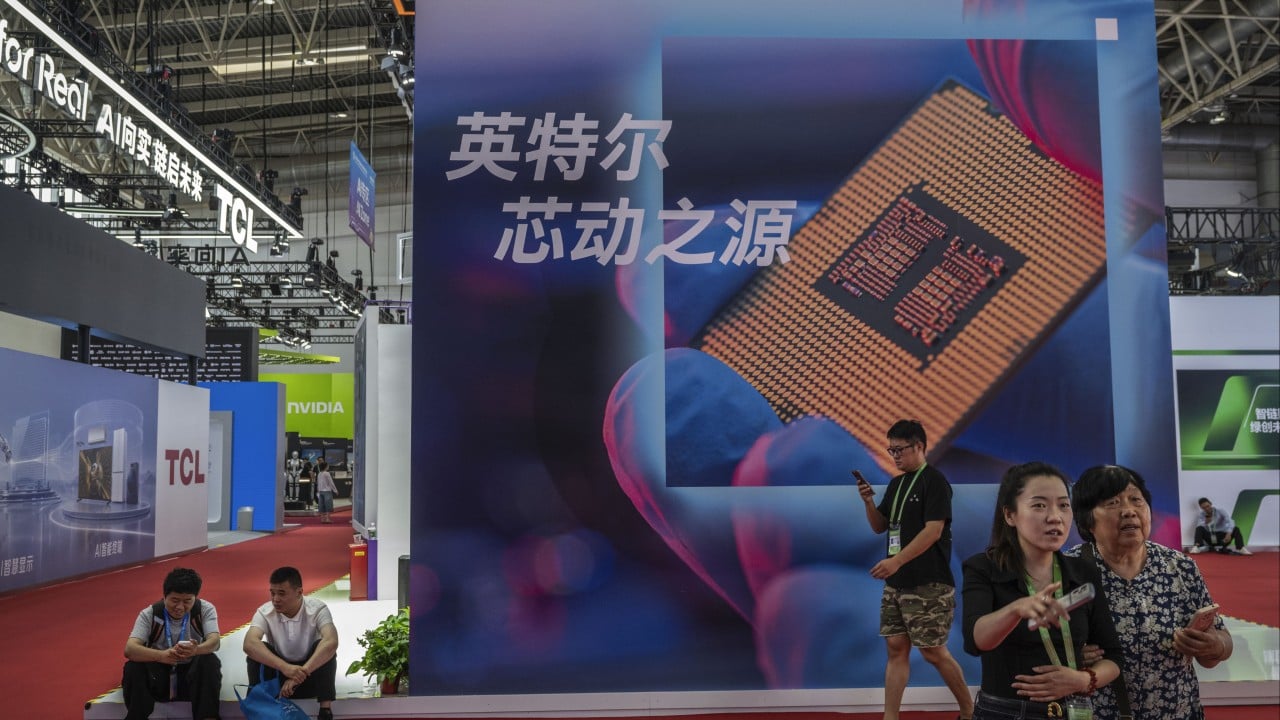
The global AI boom is significantly reshaping the CPU market, long dominated by Intel and AMD, as a new wave of challengers including Nvidia, Qualcomm, MediaTek, Arm, Google, and Amazon, alongside Chinese players, enter the fray. This renewed focus on CPUs stems from their critical role in next-generation AI data centers, particularly for inference and agentic AI workloads that demand sequential processing and low latency. The market for CPUs in AI data centers is projected to grow over 40% annually, potentially exceeding USD 220 billion by 2030, attracting substantial investment and intensifying competition. This surge in demand has also led to supply shortages across the electronics sector, further fueling innovation and market entry by new chipmakers. The evolving landscape sees a shift towards Arm-based architectures, favored for their energy efficiency, challenging the traditional x86 dominance.
The resurgence of CPUs in the AI race holds significant implications for Asia's tech ecosystem, particularly given the region's prominent role in semiconductor manufacturing and AI development. The projected market growth, reaching over USD 220 billion by 2030, presents immense opportunities for Asian chipmakers, foundries, and AI solution providers. Companies like MediaTek, a major Asian player, are already making strategic moves, partnering with Nvidia to develop new chips for AI PCs, signaling a broader trend of collaboration and diversification within the hardware sector. This shift also intensifies competition, pushing Asian firms to innovate and secure their positions in the global supply chain, from design to fabrication.
Furthermore, China's accelerated push for domestic CPU alternatives, exemplified by Hygon Information Technology and Shanghai Zhaoxin Semiconductor, highlights a strategic imperative for self-sufficiency amidst geopolitical tensions and export controls. While these domestic players are gaining market share within China, the broader global market remains dominated by Western firms, albeit with increasing adoption of Arm-based architectures. This dynamic creates a complex landscape where Asian companies must navigate both global competition and localized strategic initiatives, potentially fostering distinct regional ecosystems for AI hardware development and deployment. The increased demand for CPUs also impacts the broader electronics sector, including PC manufacturing, where Asian companies are key players, necessitating adjustments in production and supply chain strategies.