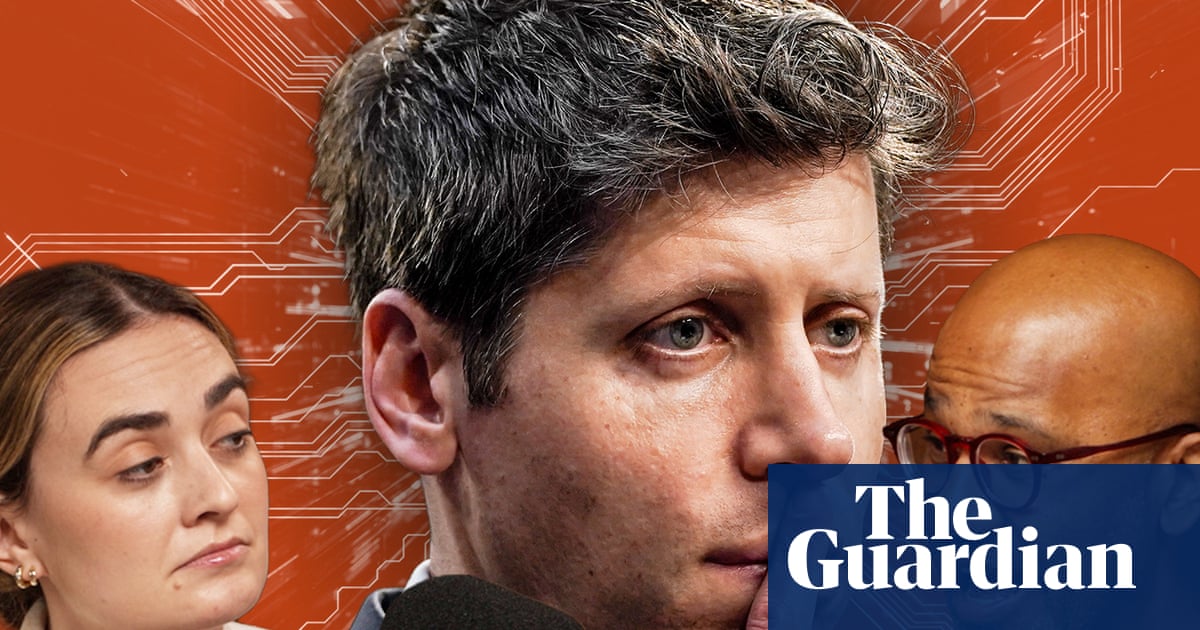
When Every Citizen Becomes a Publisher: The Responsibility of Digital Media
The digital age has transformed every citizen into a potential publisher, democratizing information but also creating an "infodemic" of misinformation, as highlighted during the COVID-19 pandemic. Unlike traditional media with editorial gatekeepers, social media platforms allow rumors to spread rapidly, often amplified by algorithms designed for engagement rather than truth. This challenge is further complicated by artificial intelligence, which enables the creation of convincing deepfakes, making it increasingly difficult to distinguish reality from manipulation. The article emphasizes that while digital media can be a powerful force for good, its responsible use by individuals, influencers, tech companies, and governments is crucial to prevent real-world consequences like mob violence. Ultimately, fostering critical thinking and digital literacy is paramount to ensure digital media strengthens society rather than endangers it.
This article underscores a critical challenge facing Asia's rapidly expanding digital landscape: the proliferation of misinformation in an era where everyone is a publisher. With countries like India experiencing real-world consequences from unchecked digital rumors, the piece highlights the urgent need for enhanced digital literacy and responsible online behavior across the continent. As internet penetration and social media usage continue to surge in Asian markets, the societal impact of unverified information becomes increasingly pronounced, affecting everything from public health responses to political stability and economic trust.
The discussion on AI's role in creating deepfakes adds another layer of complexity, particularly relevant for Asian tech ecosystems heavily investing in AI development. This technological advancement, while offering immense potential, also poses significant risks to information integrity and public trust. The article implicitly calls for a multi-stakeholder approach involving tech companies, governments, educational institutions, and individual users to build a more resilient and responsible digital environment, which is vital for the sustained growth and stability of Asia's digital economy and society.
Related reading
6 stories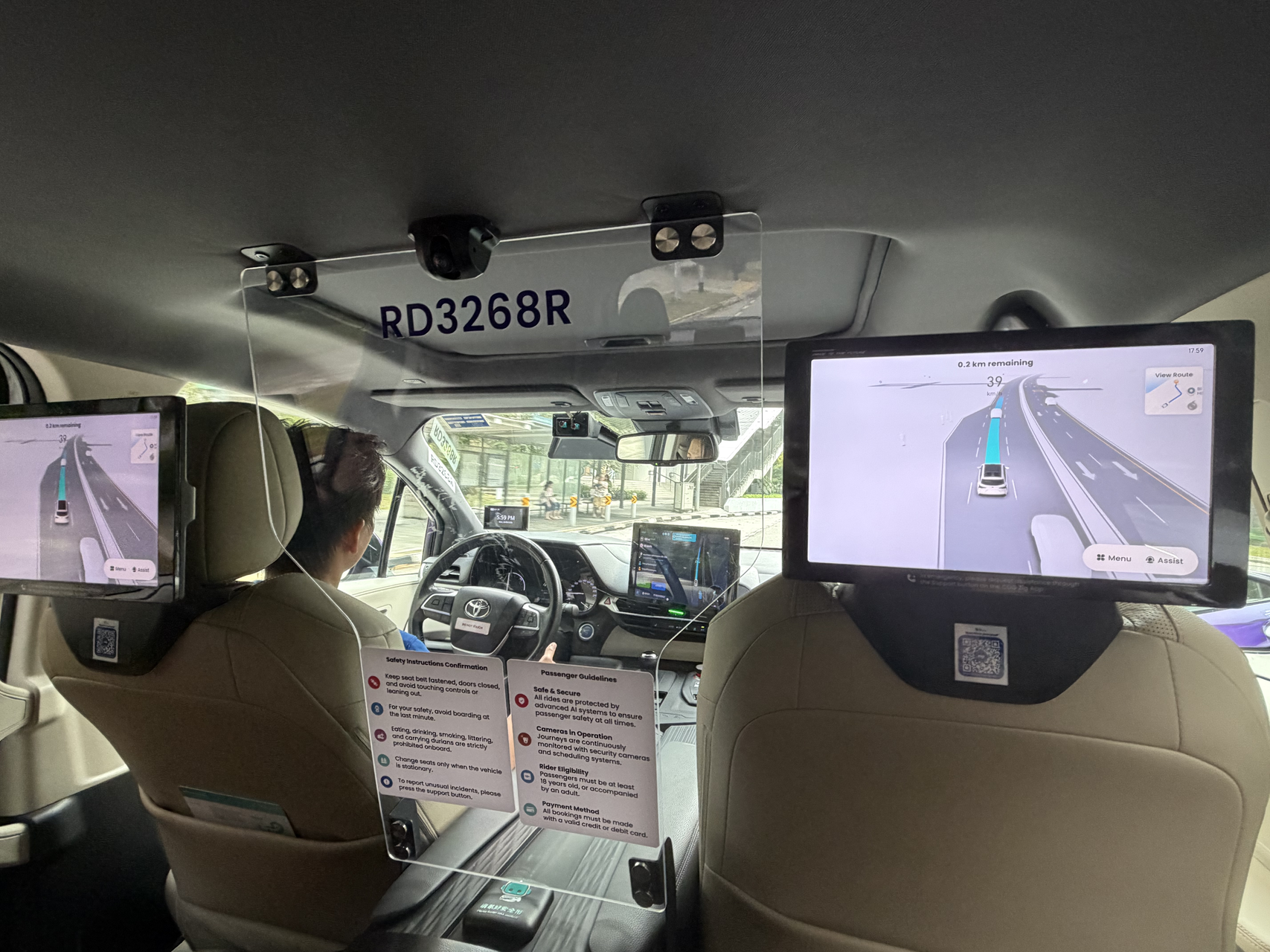
If driverless cars already work, why aren’t they everywhere?

Sumsub Launches Workforce Verification as Deepfake Risks Grow
ByteDance’s AI-enhanced short-drama app eclipses China’s Netflix rivals combined

Timo Joins Top 10 Banks in Vietnam by Customer Satisfaction

Payment Agility and Modernisation for the Age of Intelligence