What leaves the machine when your agent remembers
Engrava 0.6.0, a Python library for managing AI agent memory, can transmit user data to external services for embedding, even with its `auto_embed` field set to `False`. Testing described by the author confirms that search queries and "thought" content may be sent to configured hosted providers, a behavior distinct from the library itself making vendor calls.
A key distinction for AI memory systems like Engrava 0.6.0 lies between the library making internal network calls, such as for usage pings, and user data leaving the machine due to specific configurations. The base `pip install engrava` does not include third-party HTTP clients. The only standard library network call identified is within a benchmark loader, suggesting the core library itself does not inherently "phone home" for vendor-related purposes.
However, the transmission of user data is configuration-dependent. If a hosted embedding provider is configured, "auto-embedded" writes will send a "thought's essence and content" to that provider. Crucially, searches performed without an explicit `query_vector` will transmit non-blank query text to the configured provider, regardless of the `auto_embed` setting. This was demonstrated through tests where an OpenAI-compatible provider, when configured for search, led to connection attempts to `api.openai.com`.
For developers prioritizing local data processing, options like `sentence-transformer` perform encoding in-process, though model weights must be downloaded initially. `ollama` defaults to `localhost`, and an `openai-compatible` provider can be directed to a local endpoint. The `huggingface` provider, conversely, sends text to the hosted Hugging Face Inference API without a configurable endpoint. The author notes that `api.openai.com/v1` for `openai-compatible` is a fallback in the code, not explicitly named in the `engrava.yaml` file, which could obscure the data's destination.
Therefore, explicitly managing embedding configurations is necessary to prevent external data transmission. Omitting the entire embeddings section or leaving the provider unset ensures no embedding provider object is constructed, preventing external calls for both write and query paths. The `auto_embed` field only governs write-side embedding, not query-side behavior.
Share this article
Related reading
6 stories
What is Lonca? Version control for AI coding agents (Lonca series, part 0)
We explored the version control challenges for AI coding agents, a related aspect of agent memory and data handling.

IIT-Bombay Alumnus Arun Kumar Meena Assumes Charge As Western Railway's New Chief Public Relations Officer

Casio brings its three sushi-themed G-Shock watches to the US

Former Alibaba exec’s Everful raises $48.5M to connect retailers with Chinese factories
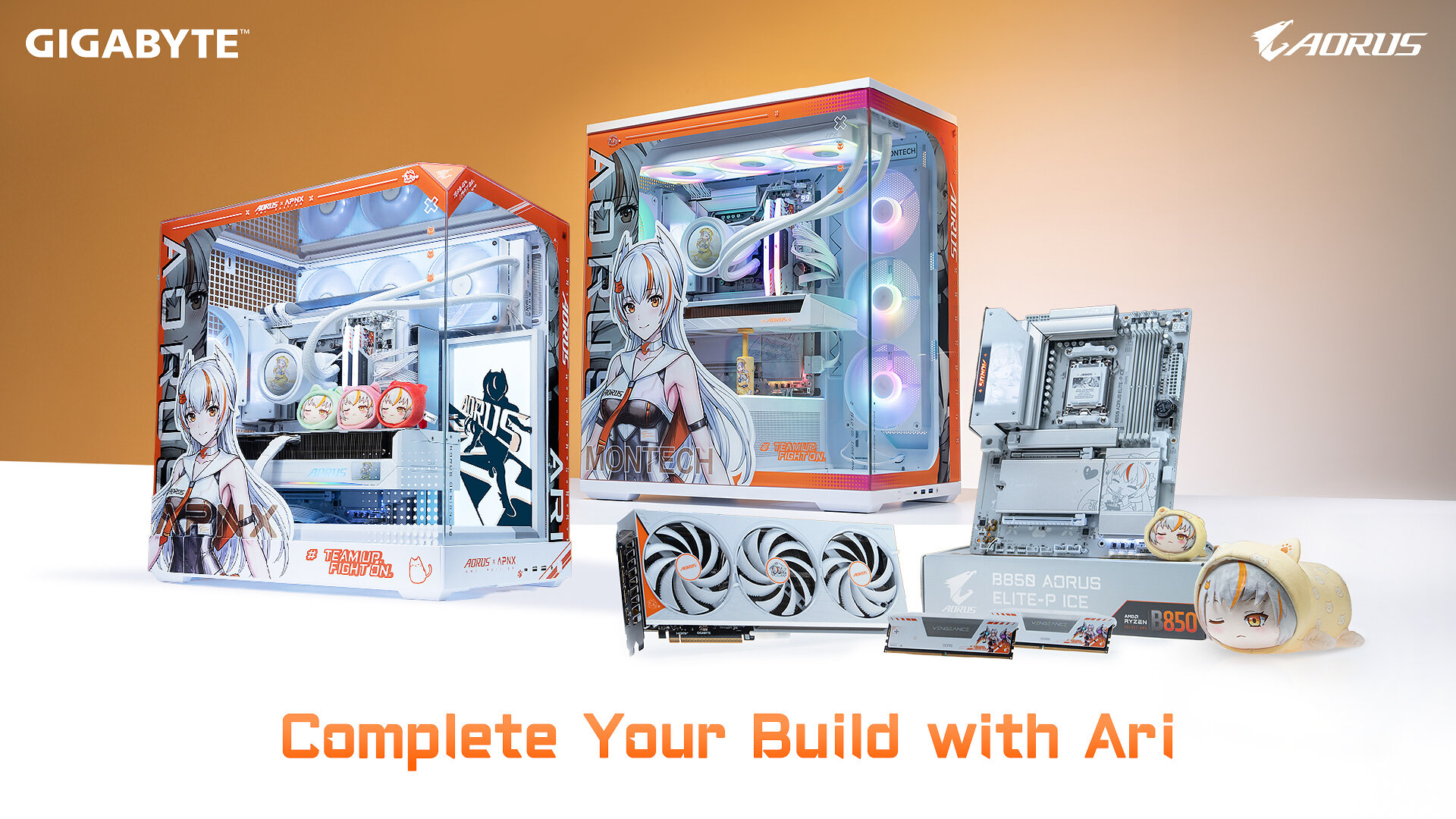
GIGABYTE Debuts the Completed Anime-themed AORUS ARI Series with Co-branded DDR5 Memory and Chassis for PC Setup