U.S. Pushback on AI in Schools Opens a Door for Korea
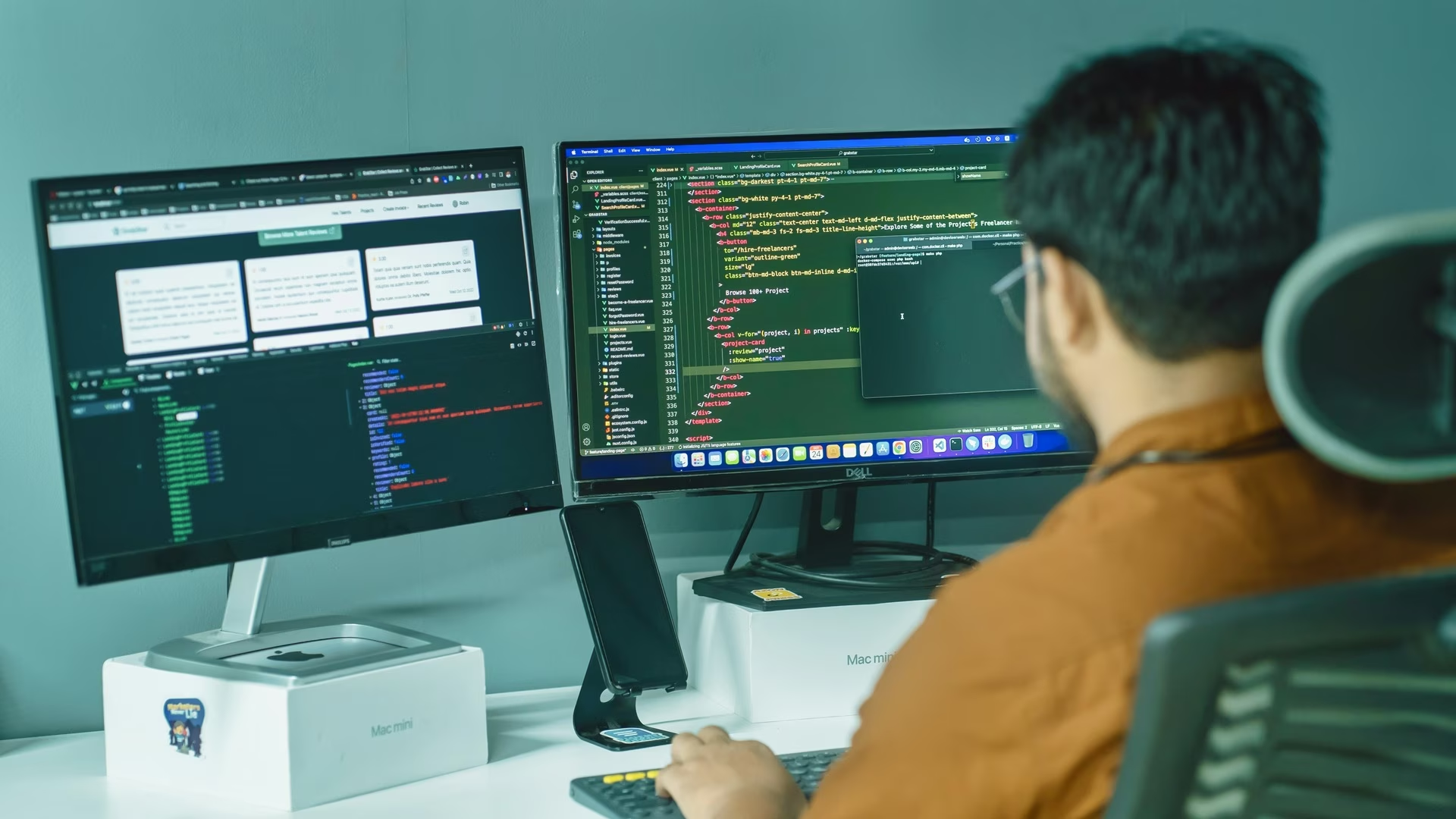
U.S. schools are reportedly resisting AI integration, with New York City cancelling an AI-focused high school and Los Angeles blocking generative AI use across all grades. This resistance, alongside opposition to data center construction, is attributed to concerns over creativity, privacy, and cultural-religious unease, potentially creating an opening for Korea to lead in global AI education.
Resistance to AI adoption in the U.S. appears to stem from a blend of practical, creative, and deep-seated cultural concerns. Public sentiment has shifted, with citizens now reportedly linking unmanned surveillance cameras to AI, a change observed by Jang Sung-kwan of D&A Advisory. This growing wariness extends beyond education, affecting infrastructure projects like data centers, which have faced bipartisan opposition in several major U.S. hubs.
Specific objections to AI integration in education include parental concerns that AI could stifle creativity, leading to the withdrawal of an AI-focused high school project in Manhattan. Broader societal debates in the U.S. frequently cite reasons such as AI imitating God, encroaching on human domains, invading privacy, eroding family life, and interfering with children's physical activity. These cultural and religious anxieties are noted as unfamiliar in Korea.
In contrast, Korea is described as having a more favorable environment for cultivating AI talent, partly due to its openness to new technology, exemplified by widespread mobile administrative services and closed-circuit cameras. Nvidia CEO Jensen Huang has highlighted Korea's strength in enthusiastically embracing and rapidly spreading new technology across society. This cultural predisposition, alongside a long history of national investment in education, positions Korea to potentially leverage the current hesitation among other advanced economies regarding AI education.
Share this article
Related reading
6 stories
Nearly half of new Korean AI services based on Chinese foundation models
As the U.S. hesitates on AI, Korea's adoption is notable; we previously reported on Korea's reliance on Chinese AI models.

For Sale: A Rare 1971 Isuzu Bellett 1800 GT – The First Japanese “GT”
What happens when AI starts self-replicating?

Troubleshoot etcd Clusters Easily with Ivory

My first cognee connector: syncing Basecamp into an AI agent's memory