
US-China tech war is coming for AI’s plumbing
The US-China technology rivalry is reportedly escalating to include a potential ban on Chinese optical transceivers, devices critical for high-speed data transmission in AI infrastructure. This move by the US Federal Communications Commission (FCC) signifies a broadening of the tech war beyond its initial focus on semiconductor chips. Optical transceivers are small components that use fiber optic technology to send and receive data as light, playing a vital role in the quick transmission of large data volumes essential for AI operations. The potential ban aims to secure the foundational hardware underpinning artificial intelligence, reflecting a deeper concern over supply chain vulnerabilities and national security. This development could significantly impact the global supply chain for AI hardware and intensify the strategic competition between the two economic superpowers.
This potential US ban on Chinese optical transceivers marks a significant expansion of the US-China tech war, moving beyond high-profile components like advanced semiconductors to target even the foundational 'plumbing' of AI infrastructure. For Asia, this signals increased pressure on regional tech companies to diversify their supply chains and potentially choose sides, or at least demonstrate clear provenance for their hardware. Countries like South Korea, Japan, and Taiwan, which are deeply integrated into the global tech supply chain, will face heightened scrutiny and potential disruption as they navigate these evolving restrictions. The move could also spur greater indigenous development of optical transceiver technology within China, further fragmenting global standards and markets.
Furthermore, the focus on optical transceivers underscores the strategic importance of every link in the AI hardware chain. This isn't just about advanced chips; it's about the entire ecosystem that enables AI to function at scale. Asian data centers and AI development hubs, which rely heavily on efficient data transmission, could see increased costs or delays in infrastructure build-out if supply chains are disrupted. The long-term implication is a more bifurcated global tech landscape, where the development and deployment of AI are increasingly influenced by geopolitical considerations rather than purely economic or technological drivers.
Related reading
6 stories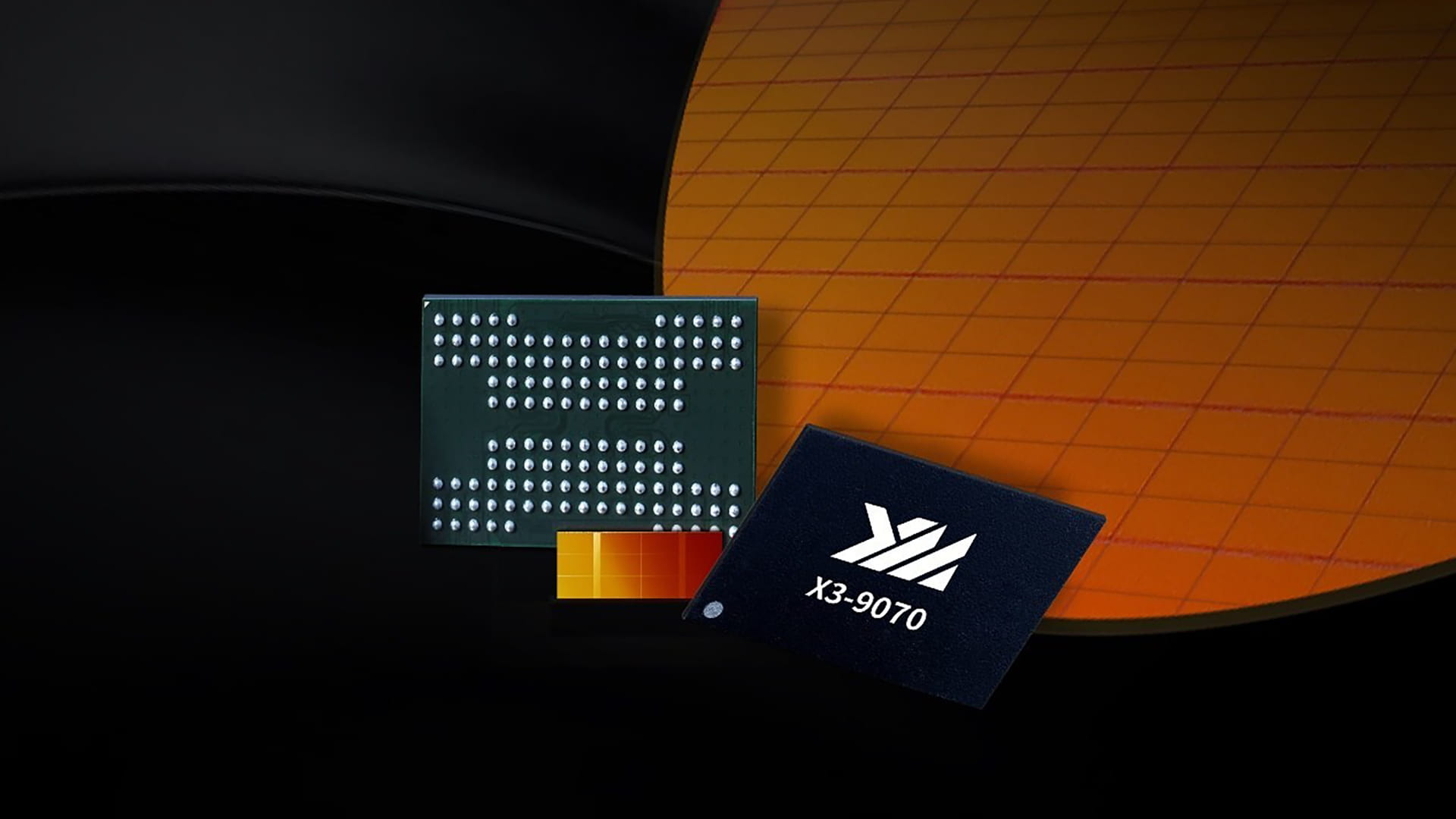
YMTC parent seeks USD 4.9 billion Shanghai IPO on AI memory boom
This story on AI's 'plumbing' echoes our earlier report on YMTC's parent seeking an IPO on the AI memory boom.

DeepSeek leads surge in low-cost Chinese open-weight models on US platform
The US-China tech war's expansion to AI infrastructure connects to the rise of Chinese open-weight AI models.
People’s Daily rejects US claims of malicious AI distillation, warns of countermeasures

Databricks to Invest Over US$350 Million in Singapore, Double Its Workforce

Personetics Launches AI Banking Console for Relationship Managers
