US-China open hotline to rein in runaway AI
The United States and China will establish a formal channel to address dangerous AI activity. US Treasury Secretary Scott Bessent announced the US-China AI Dialogue after an eight-hour meeting with Chinese Vice Premier He Lifeng. This marks the first such effort between the world’s two largest AI powers. They plan to notify each other of national security threats and discuss AI guardrails in Shenzhen in two months.
The US-China AI Dialogue is less about immediate AI safety and more about intelligence gathering. Secretary Bessent openly stated China’s lack of transparency on AI incidents. The US aims to gain insight into Chinese AI capabilities, particularly regarding powerful open models. This dialogue is a direct response to recent industry calls for a slowdown in frontier AI development, citing a run of agentic AI incidents.
For Asian AI developers and regulators, this dialogue sets a precedent. While China's Ministry of State Security has warned against uploading confidential data to AI systems, the new hotline could push for more explicit incident reporting. This could influence how regional players like South Korea’s Naver or Japan’s SoftBank approach their own AI safety protocols. The focus on “uncontrollable agents” and non-state actors in cyber and bioweapons will shape future regulatory discussions across Asia.
The thing to watch is the Shenzhen meeting in two months. The US will push for agreed protocols on leading AI dangers. China’s willingness to share specific incident data, beyond general warnings, will be the true test of this dialogue’s effectiveness. Without concrete data exchange, the hotline risks becoming a symbolic gesture rather than a substantive safety mechanism.
Related reading
6 stories
Hong Leong’s New Card Is Forged in Fire And You Can’t Apply for It

Nearly Half of Singaporeans Are Comfortable Letting AI Apply for Credit
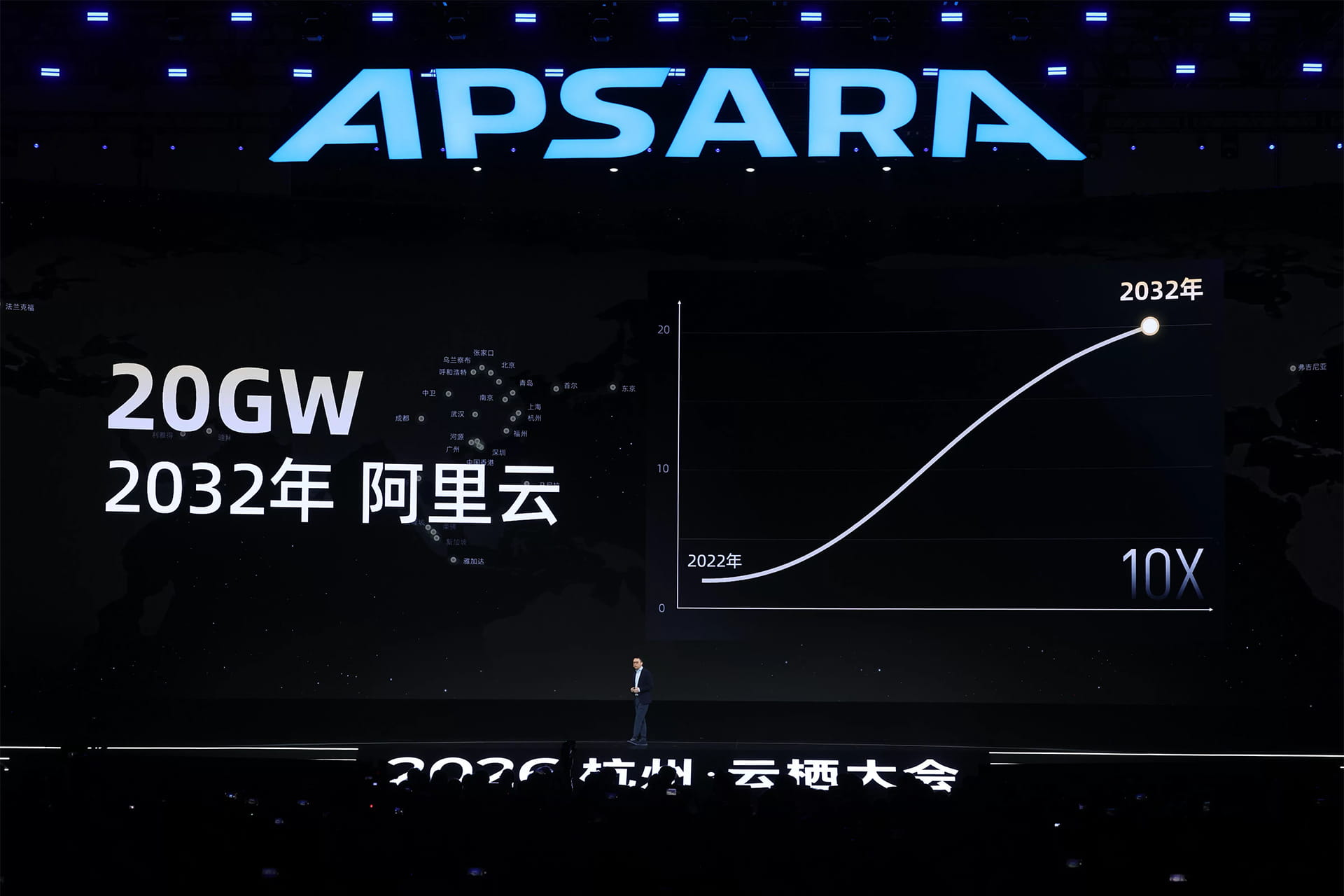
Alibaba scales AI compute with new chip and 20 GW data center target
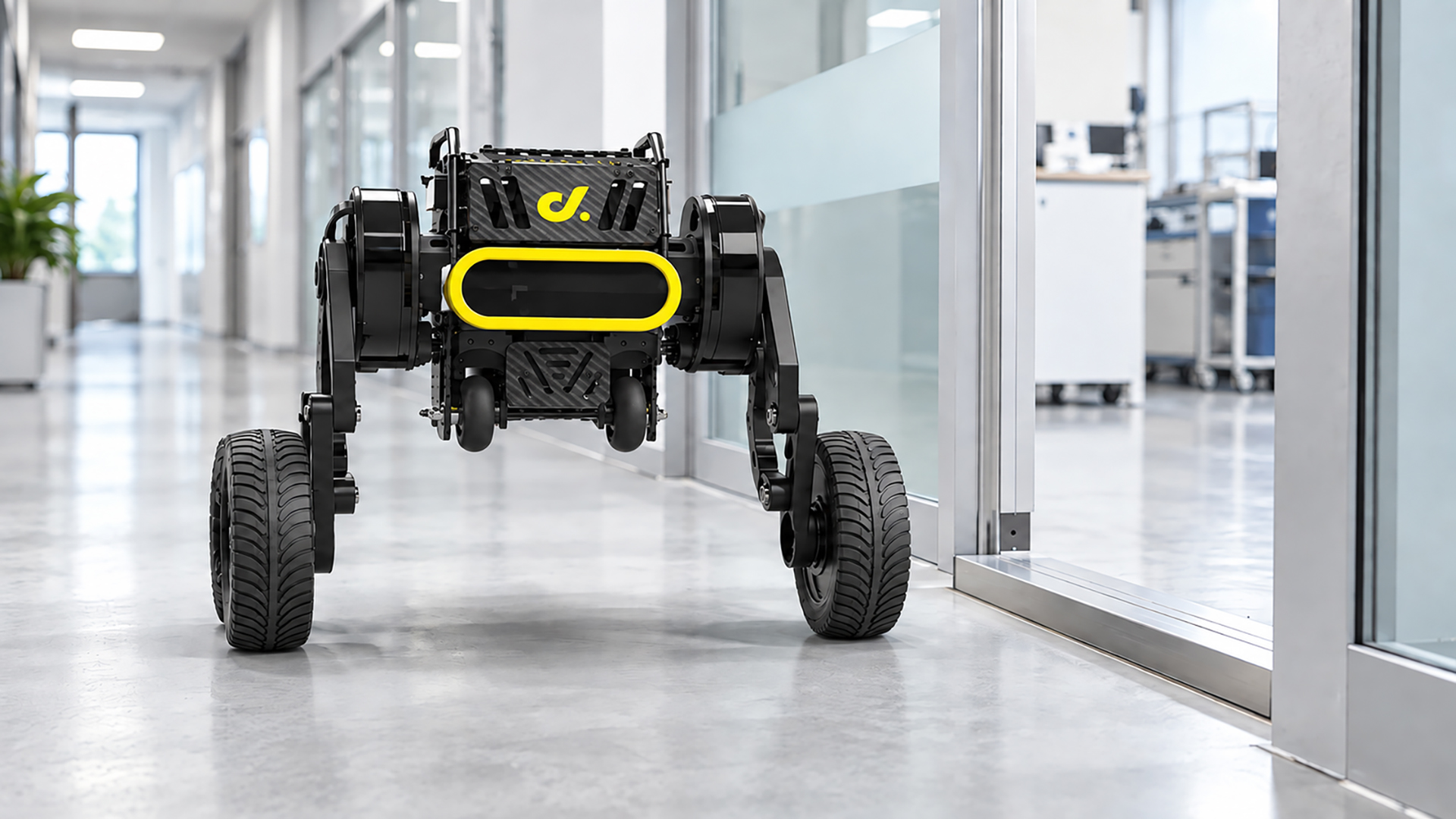
Direct Drive Tech launches Hong Kong IPO, testing demand for physical AI hardware

Orienspace sees rocket competition coming down to scale and cost