Trump won’t put the brakes on AI because he wants to beat China. How big a threat is Beijing?
US President Donald Trump prioritizes American leadership in AI development, rejecting calls from companies like Anthropic and OpenAI to slow progress. China's President Xi Jinping advocates for international cooperation and open-source AI, proposing a global governance pact. This difference reflects a significant trust deficit between the two superpowers in the AI race. Both leaders will discuss AI at an upcoming summit in Washington, though expectations for a breakthrough are low.
The US approach to AI is a zero-sum game: win or lose against China. Trump's stance directly opposes calls from American AI leaders like Anthropic and OpenAI for development slowdowns. Washington sees AI as a strategic asset to protect and export to allies. This contrasts sharply with Beijing's push for open collaboration, a move that likely reflects its current lag in advanced AI capabilities.
Chinese AI labs are closing the gap with US competitors. DeepSeek shocked the industry last year with a model nearly matching leading American systems using fewer computing resources. Since then, Alibaba, Z.AI, Minimax, and Moonshot have unveiled similarly capable models. This rapid iteration challenges the dominance of US frontier companies, but it also fuels US accusations of intellectual property theft, specifically distillation from American models.
The US alleges "industrial-scale" theft by Chinese AI firms. Anthropic's report details attempts by alleged Chinese government-affiliated actors to misuse its systems for surveillance. One example cites Moonshot's Kimi model rerouting user queries to Claude, exposing an attempt to divert requests. Beijing rejects these claims, but the accusations will escalate tensions at the Trump-Xi summit in two weeks. This will pressure Chinese AI companies to demonstrate independent innovation.
Related reading
6 stories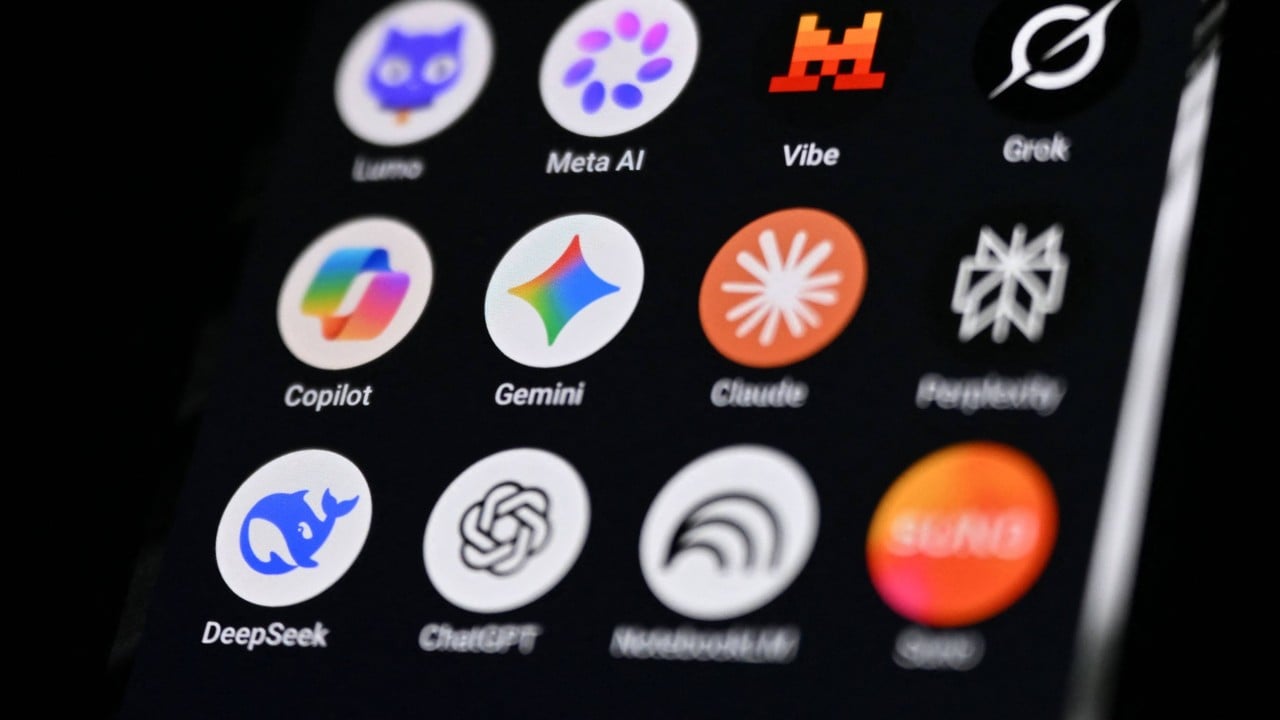
DeepSeek AI engineer slams Anthropic, OpenAI over ‘pacing’ calls, invokes Nazi Germany
DeepSeek's engineer previously slammed calls for AI slowdowns, a key tension in the US-China AI race.

AI Researcher Says He Left Google DeepMind Over Concern That 'AI Has The Potential To Kill Us All'
Concerns about AI's existential threat, driving calls for slowdowns, are a core part of this debate.
People’s Daily rejects US claims of malicious AI distillation, warns of countermeasures

Databricks to Invest Over US$350 Million in Singapore, Double Its Workforce
ByteDance’s AI-enhanced short-drama app eclipses China’s Netflix rivals combined