Trump relies on AI giants to self-police after ruling out China deal
US President Donald Trump has reiterated his stance against collaborating with China on artificial intelligence, stating that such cooperation would compromise American leadership in the technology. He told reporters on Tuesday that sharing knowledge would allow China to "immediately gain access to things that we know that they don’t know."
The US President's remarks highlight a consistent approach to AI development, prioritizing national security and technological advantage over international collaboration with China. This position frames AI capabilities as a zero-sum game, where one nation's gain in knowledge or access directly diminishes another's lead. The focus is on preventing the transfer of specific, proprietary information.
This perspective suggests that the US views its current AI advancements as distinct and superior in certain areas, which it aims to safeguard. The rationale is that any form of cooperation would accelerate China's AI development by bypassing its own research efforts and allowing it to absorb American technological insights without reciprocal benefits or equivalent contributions.
The emphasis on self-policing by AI giants, as implied by the article title, points to a strategy where the US government relies on its domestic tech companies to uphold national security interests. This approach delegates some responsibility for maintaining the technological lead to private industry, rather than establishing a direct government-led collaboration or regulatory framework specifically for US-China AI interactions.
Share this article
Related reading
6 stories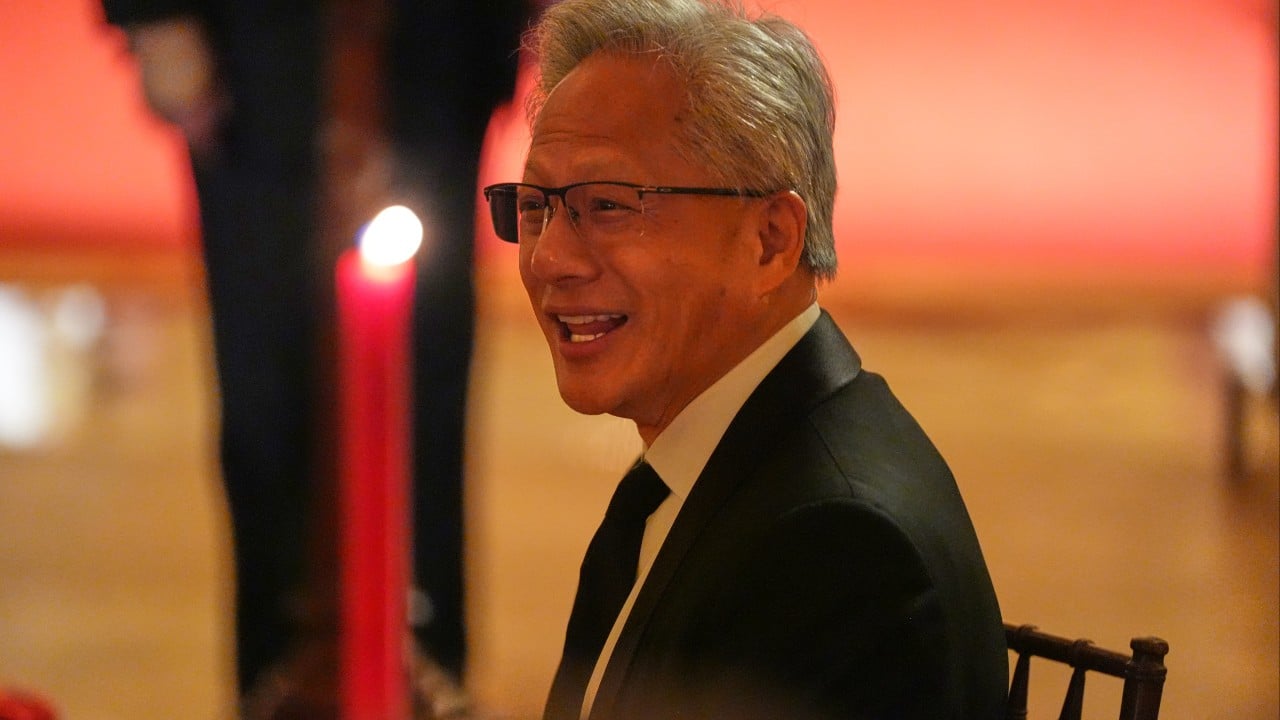
Nvidia and AMD chiefs join Tsinghua advisory board as US-China chip tensions persist
Nvidia and AMD chiefs joining Tsinghua's board highlights the ongoing US-China chip tensions this article discusses.

Sri Lanka’s Union Bank Upgrades Legacy Credit Card System With BPC
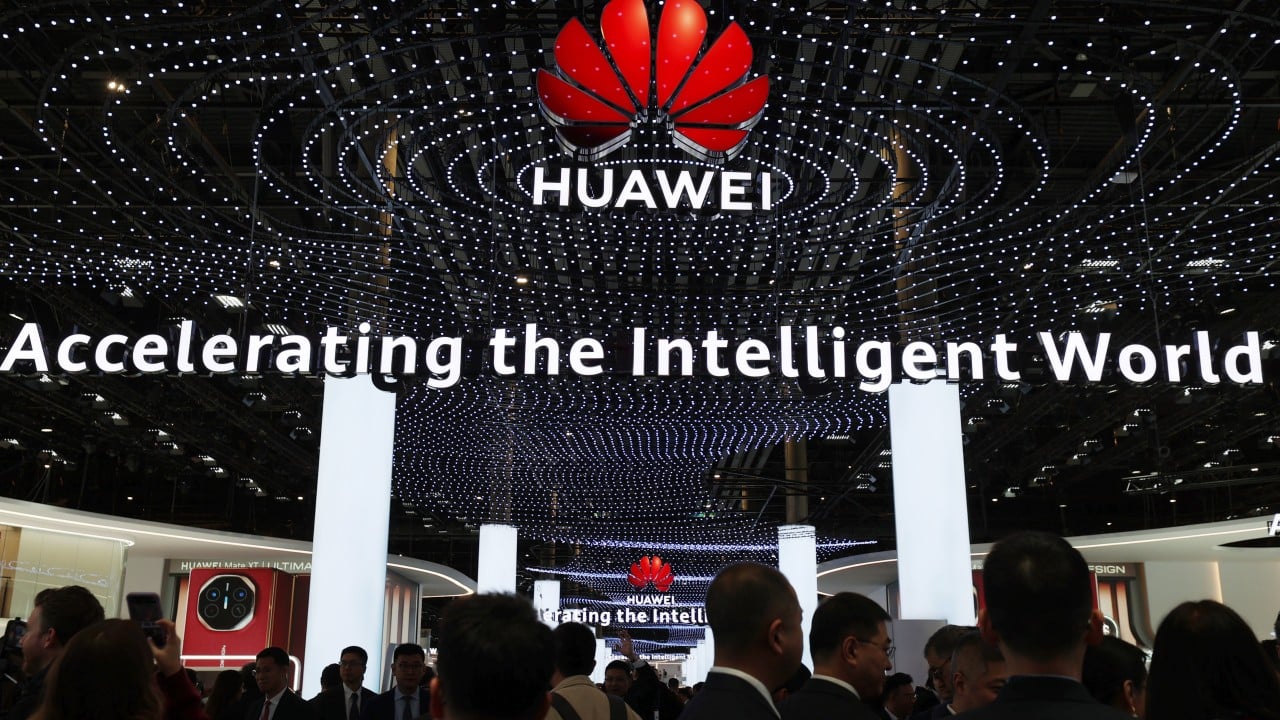
Huawei, Qualcomm strike multi-year patent agreement across 5G, AI

A Chatbot Almost Started a War With China. The Scariest Part Wasn’t the AI’s Mistake

OpenAI's Altman says AI benefits warrant accepting some risks