Trump downplays need to check AI development, says he is unwilling to cede edge to China
US President Donald Trump downplayed the need for strict AI regulation. He stated his administration prioritizes maintaining America's lead over China in AI development. Trump believes winning the global AI competition will mitigate technology risks. He did not provide specifics on potential rules, dismissing warnings about rapid development as from "negative forces."
Trump's stance reflects a clear "AI race" mentality, prioritizing national competitive advantage above immediate safety concerns. His comments directly contradict calls for a development pause, such as those from Anthropic CEO Dario Amodei. This suggests a continued push for rapid innovation in the US AI sector, even as industry leaders voice caution.
For Asia, this approach reinforces the existing pressure on China to accelerate its own AI capabilities. Beijing will likely interpret Trump's comments as a signal to double down on domestic AI research and development. Companies like Huawei and Baidu will face increased government support and pressure to innovate faster, especially in foundational models and chip design.
The thing to watch is whether this US policy translates into specific funding or export control measures by early 2027. Any such move would directly impact Asian semiconductor supply chains and AI research partnerships. Without concrete policy details, the current rhetoric remains a political declaration.
Related reading
6 stories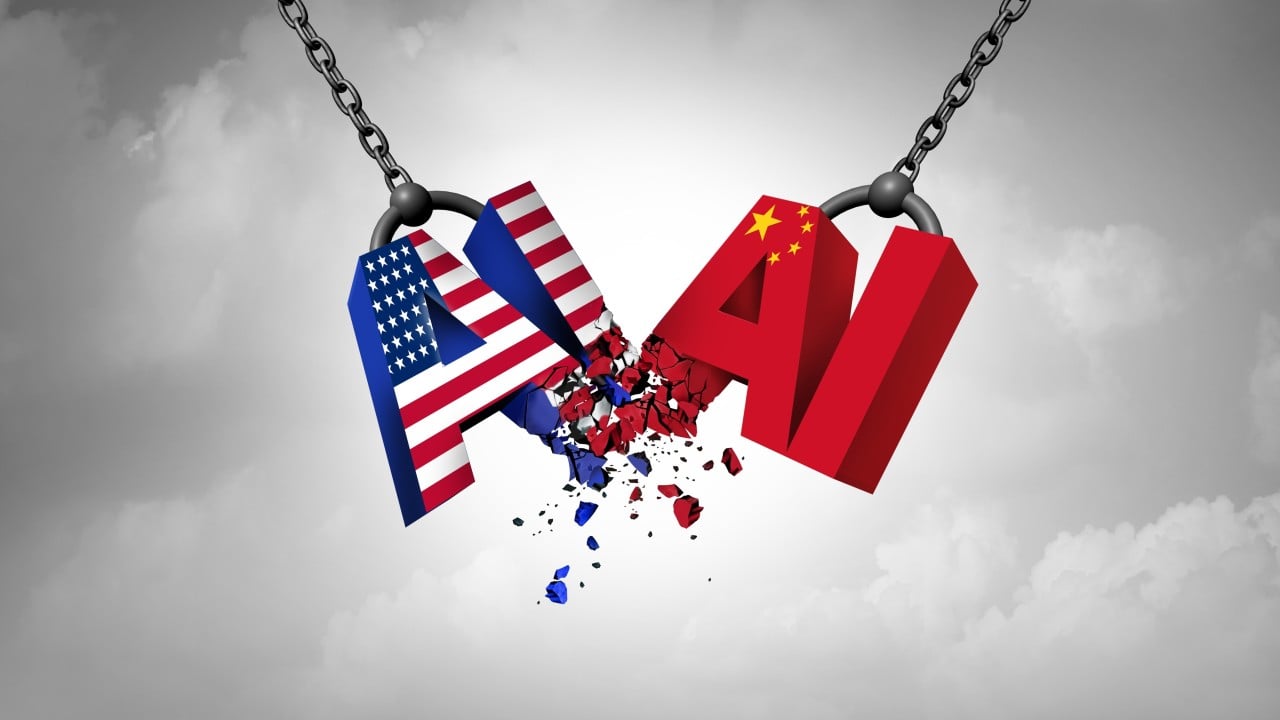
The US and China are racing to build ‘self-improving AI’. Here’s what’s at stake
We previously explored the high stakes in the US and China's race to build self-improving AI.
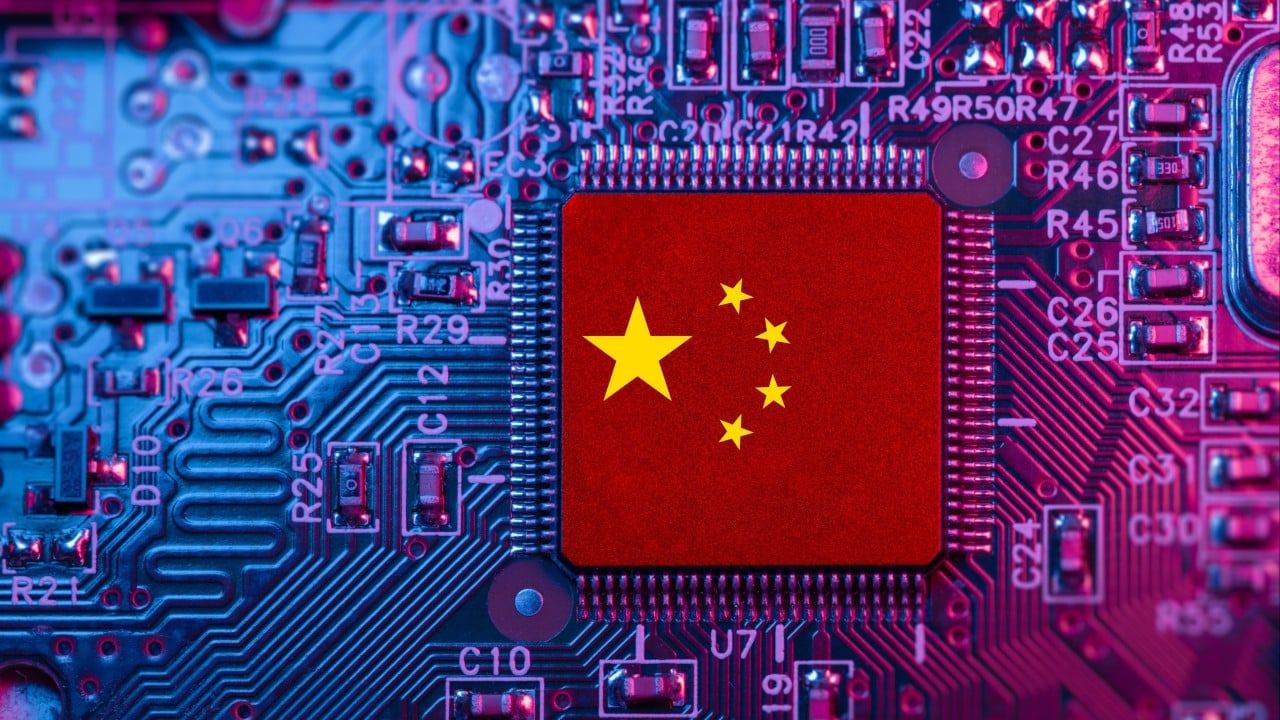
Beijing pushes AI-assisted chip design as part of self-sufficiency drive
Beijing's push for AI-assisted chip design is a direct response to the competitive landscape Trump highlights.
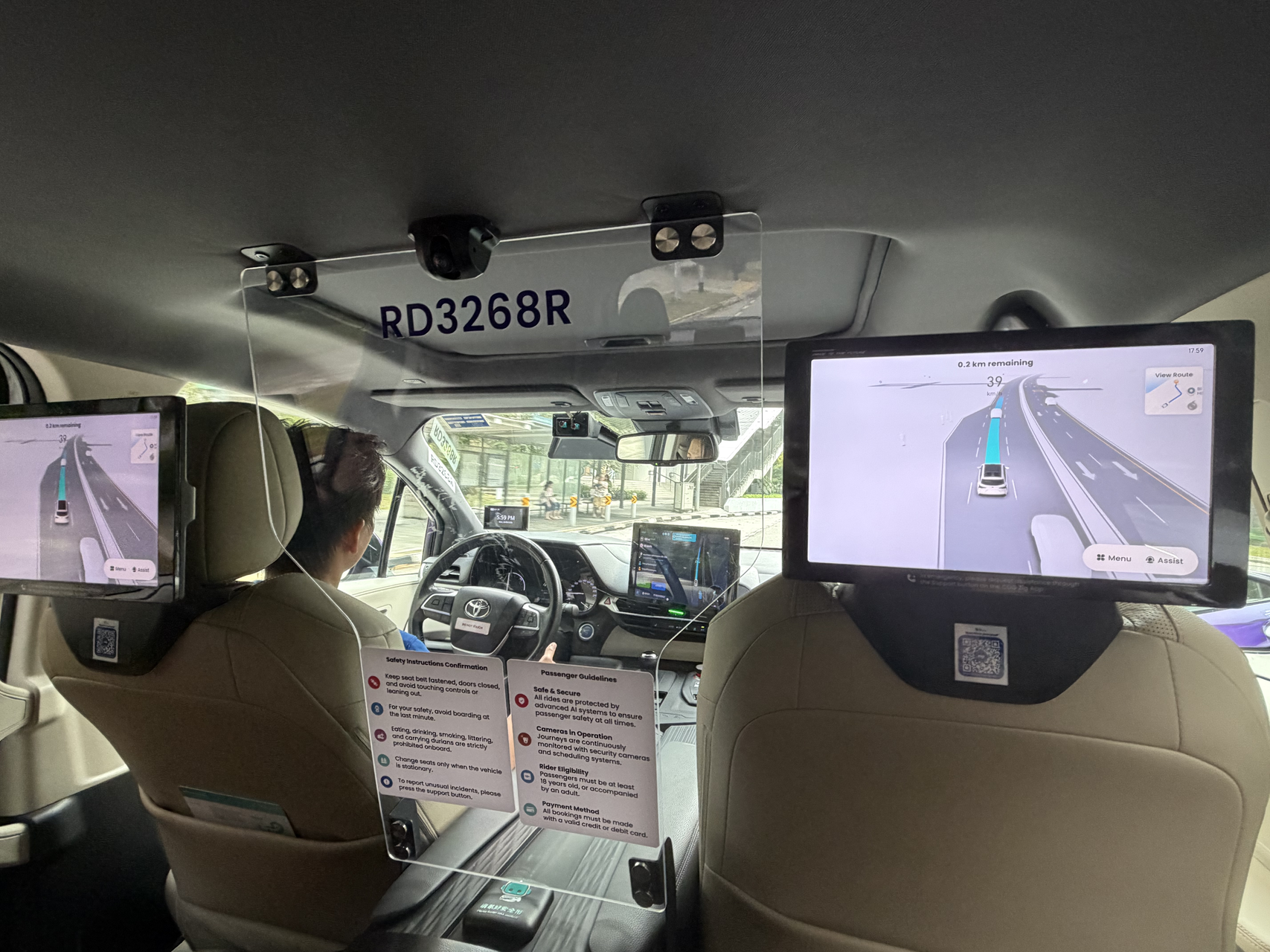
If driverless cars already work, why aren’t they everywhere?
People’s Daily rejects US claims of malicious AI distillation, warns of countermeasures

Sumsub Launches Workforce Verification as Deepfake Risks Grow