
Trump Defends US AI Strategy, Backs Anthropic Blacklisting
US President Donald Trump recently defended his administration’s approach to artificial intelligence regulation. He asserted that the US has established safeguards while also claiming that China heavily relies on American AI technology. This stance comes as the US government considers blacklisting Anthropic, a prominent AI startup, from receiving Chinese investment. The move reflects ongoing efforts by the US to control the flow of advanced technology and capital to rivals, particularly in the critical AI sector. The broader context involves the increasing geopolitical competition over AI dominance and the strategic importance of maintaining technological leads.
President Trump’s defense of US AI strategy and his support for potentially blacklisting Anthropic from Chinese investment points to continued US efforts to restrict China’s access to advanced AI capabilities. While the immediate focus is on a US company, the implications for Asia are significant. This action reinforces the existing technology export controls and investment restrictions that affect semiconductor supply chains and AI development across the region. Asian companies reliant on US AI components or seeking investment from either US or Chinese sources will face increased scrutiny and potential limitations. For example, firms in South Korea and Taiwan, deeply embedded in the chip ecosystem, must navigate these tightening regulations carefully. The thing to watch is how this policy translates into concrete actions against specific companies or investment flows. A blacklisting of Anthropic would send a clear message about the US administration’s willingness to use its regulatory power to slow China’s AI progress. This could accelerate indigenous AI development in China, potentially leading to a more bifurcated global AI landscape, where Asian markets are forced to choose between competing technological ecosystems. The long-term effect could be a more fragmented tech market, impacting innovation and collaboration across borders.
Related reading
6 stories
A 96GB RTX 5090 for $3,888? China's Modified GPU Has a Big Catch
We previously covered China's efforts to circumvent GPU restrictions, a direct consequence of US tech controls.
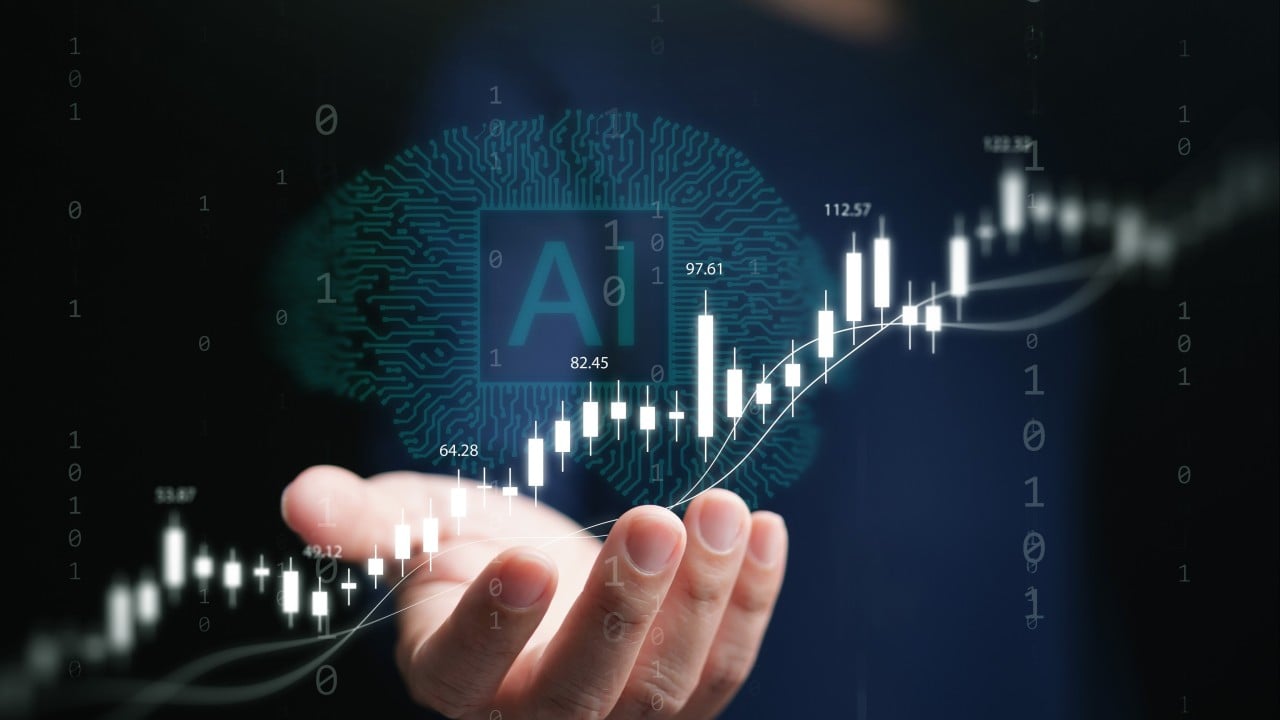
How AI tools are reshaping stock trading, investment research in China
The geopolitical implications of AI extend to how China's financial sector is adopting these new tools.
People’s Daily rejects US claims of malicious AI distillation, warns of countermeasures

Databricks to Invest Over US$350 Million in Singapore, Double Its Workforce

Personetics Launches AI Banking Console for Relationship Managers
