
The Nicobo Robot Companion: Less Than a Tool, Much More Than a Toy
Panasonic sold over 10,000 Nicobo companion robots since its 2023 launch. The 1.5-kilogram device retails for ¥65,000 with a ¥1,100 monthly service fee. Nicobo uses AI, a camera, and sensors to react to users, speaking only simple Japanese. Project leader Masuda Yoichiro aimed to create a robot that evokes emotional wealth, not just utility. This reflects a shift towards "weak robots" that foster human interaction rather than autonomous function.
Panasonic's Nicobo robot is a deliberate departure from traditional high-performance consumer electronics. It embraces imperfection, a concept Masuda Yoichiro calls "weak robots." This strategy aims to create emotional connection rather than pure utility. The company sold over 10,000 units, showing a market for non-functional, endearing AI companions.
This focus on emotional connection over utility holds implications for Japan's robotics industry. Japanese companies often prioritize precision and advanced functionality. Nicobo's success suggests a viable niche for products that challenge this norm. It could influence how other Asian hardware makers approach AI integration in domestic devices, prioritizing user empathy over raw power.
The test for Panasonic is whether Nicobo's appeal can sustain long-term engagement beyond its initial novelty. The ¥1,100 monthly fee for a non-utilitarian device requires consistent emotional return. Continued fan engagement, like the recent 150-owner meeting, will be key to its enduring success in a competitive market.
Share this article
Related reading
6 stories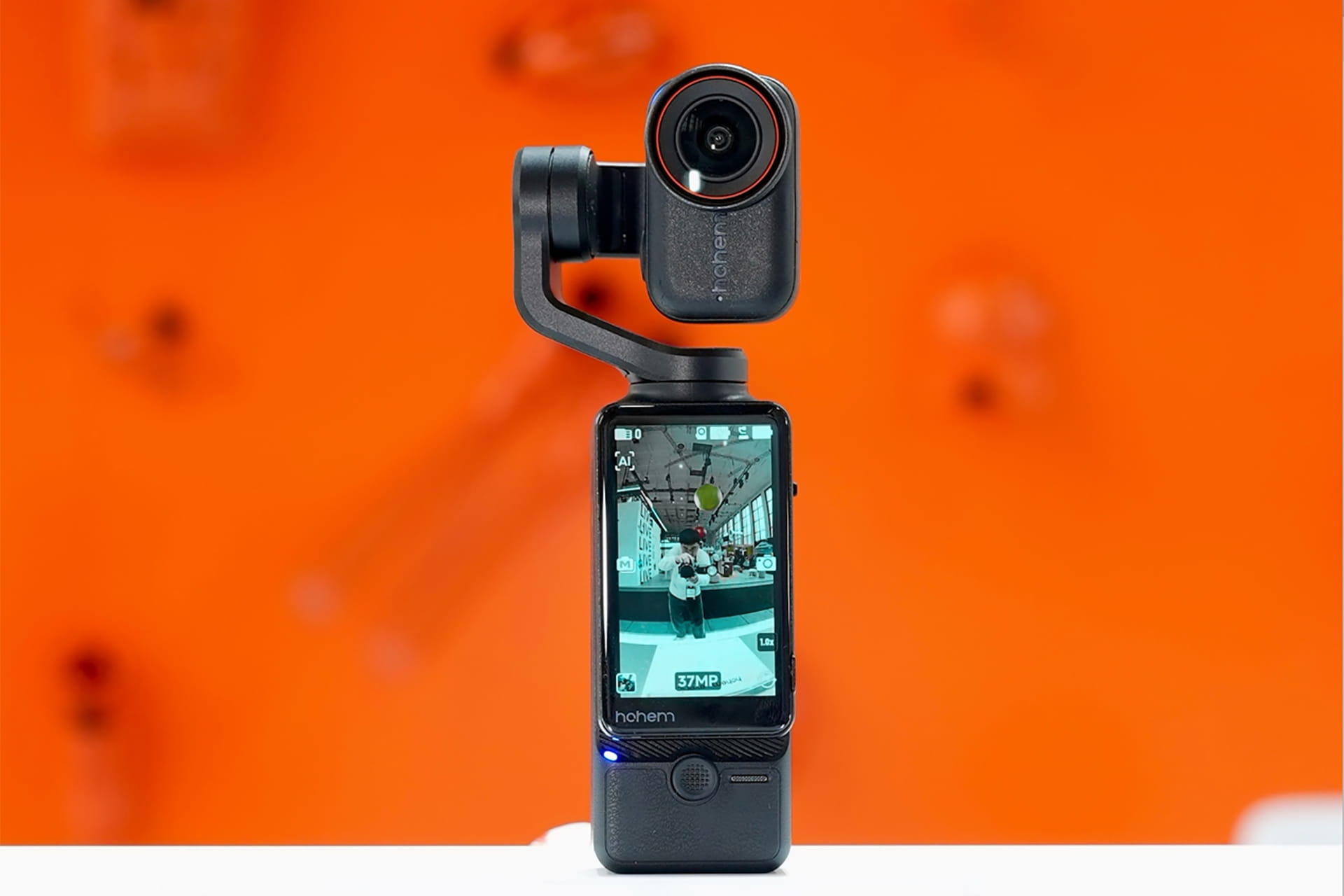
Why Hohem built Eyepic, a camera that comes apart
Panasonic's Nicobo challenges traditional hardware design, much like Hohem's modular Eyepic camera.
China and US need to join hands against another powerful adversary: AI

US or China? Why Kazakhstan refuses to pick sides as it eyes AI revolution

LUXEED And Aimoga Robots: Co-Building The Future Of Mobility Through A Connected Human-Vehicle-Home Ecosystem
Malaysia wants to move away from Waze. Will drivers make the switch?
