The Big Solution To India's Traffic Crisis Explained
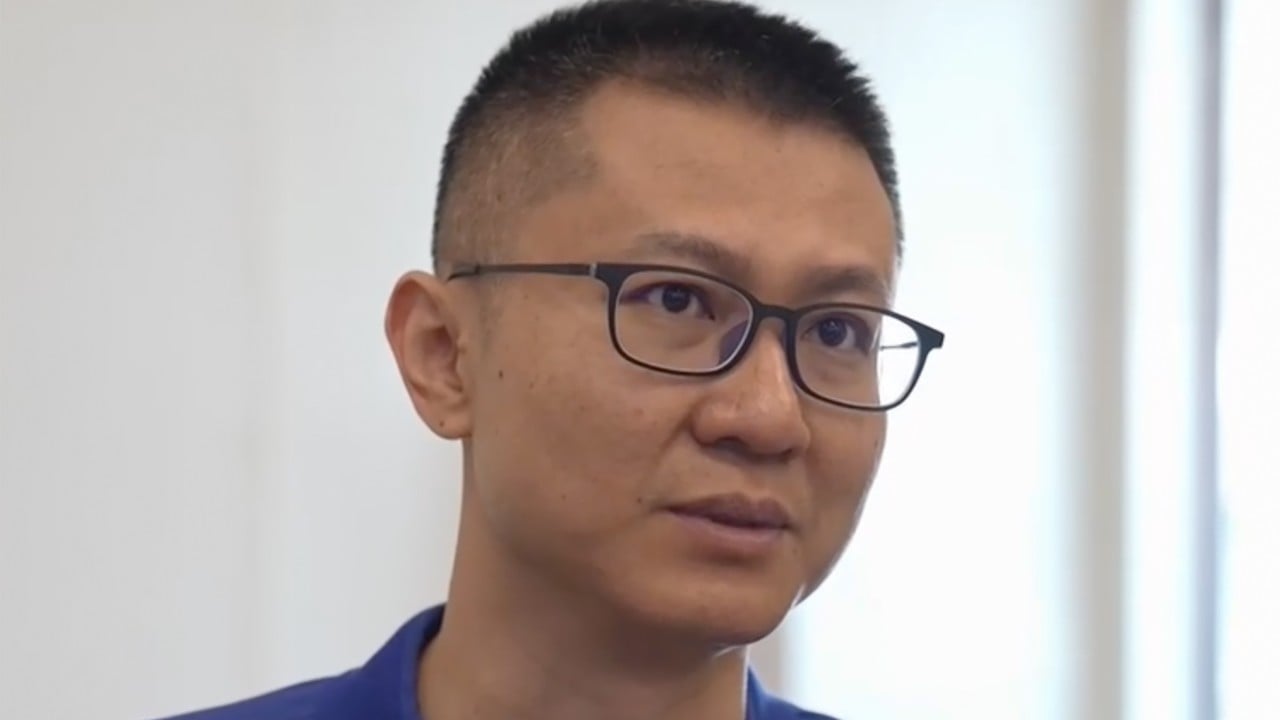
India's persistent urban traffic challenges and potential solutions were recently discussed at the BT Infrastructure Summit 2026. Vinayak Chatterjee, Founder and Managing Trustee of The Infravision Foundation, engaged in a fireside chat with Siddharth Zarabi, Group Editor at Business Today, to explore strategies for improving urban mobility. Chatterjee highlighted the critical need for stronger last-mile connectivity, enhanced feeder networks, and integrated transport planning across India's rapidly expanding cities. He also advocated for a significant policy shift, proposing that central government funding and loans be contingent upon states implementing Unified Metropolitan Transport Authorities (UMTA). This approach aims to ensure coordinated transport systems, which Chatterjee believes are essential to alleviate congestion despite substantial investments in metros and highways, ultimately transforming daily commutes for millions of Indians.
Addressing India's urban traffic crisis is paramount for sustaining economic growth and improving quality of life, directly impacting the tech ecosystem's ability to thrive. Efficient urban mobility is crucial for the movement of talent, goods, and services, which are foundational to the startup and enterprise sectors. Congestion not only reduces productivity but also hinders the adoption and effectiveness of smart city technologies, logistics innovations, and on-demand services that rely on predictable transport. The proposed policy shift linking central funding to the establishment of Unified Metropolitan Transport Authorities (UMTA) could catalyze significant infrastructure development and tech integration.
The emphasis on last-mile connectivity and integrated transport planning presents opportunities for tech companies specializing in intelligent transportation systems, data analytics for traffic management, and multimodal mobility platforms. Startups focused on electric vehicles, shared mobility, and logistics optimization could see increased demand and policy support. Furthermore, a coordinated approach to urban transport could foster a more predictable regulatory environment, encouraging greater investment in innovative solutions that address India's unique mobility challenges. This strategic policy direction underscores a growing recognition that infrastructure development must be coupled with smart planning and technological integration to truly transform urban landscapes.