Space startup Katalyst launches orbital rescue mission for aging NASA observatory
NASA and Arizona-based startup Katalyst have initiated a groundbreaking orbital rescue mission, launching a robotic spacecraft over the Pacific. The primary objective is to service an aging NASA satellite observatory, extending its operational lifespan. This mission also serves as a critical demonstration of new orbital grappling technology, a capability central to the burgeoning US-China space race. The successful deployment and operation of this technology could significantly impact future space maintenance and defense strategies. This marks a notable step in leveraging private sector innovation for national space objectives.
This mission, while directly involving US entities, holds significant implications for Asia's burgeoning space tech ecosystem and broader market dynamics. The demonstration of advanced orbital grappling technology by a startup like Katalyst underscores the increasing role of private enterprise in developing critical space infrastructure. Asian nations, particularly China, Japan, India, and South Korea, are heavily investing in their own space capabilities, including satellite servicing, debris removal, and in-orbit manufacturing. The success of Katalyst's mission could accelerate the development and adoption of similar technologies across Asia, fostering new partnerships and competitive pressures.
Furthermore, the explicit mention of a 'US-China space race' highlights the geopolitical dimension of space technology. As Asian countries expand their presence in space, the strategic importance of capabilities like orbital rescue and servicing will only grow. This could lead to increased R&D spending, a surge in space tech startups, and potentially new regulatory frameworks within Asia to manage these advanced capabilities. The market for in-orbit services is projected to expand rapidly, offering substantial opportunities for Asian companies to innovate and capture market share, while also navigating the complexities of international collaboration and competition.
Related reading
6 stories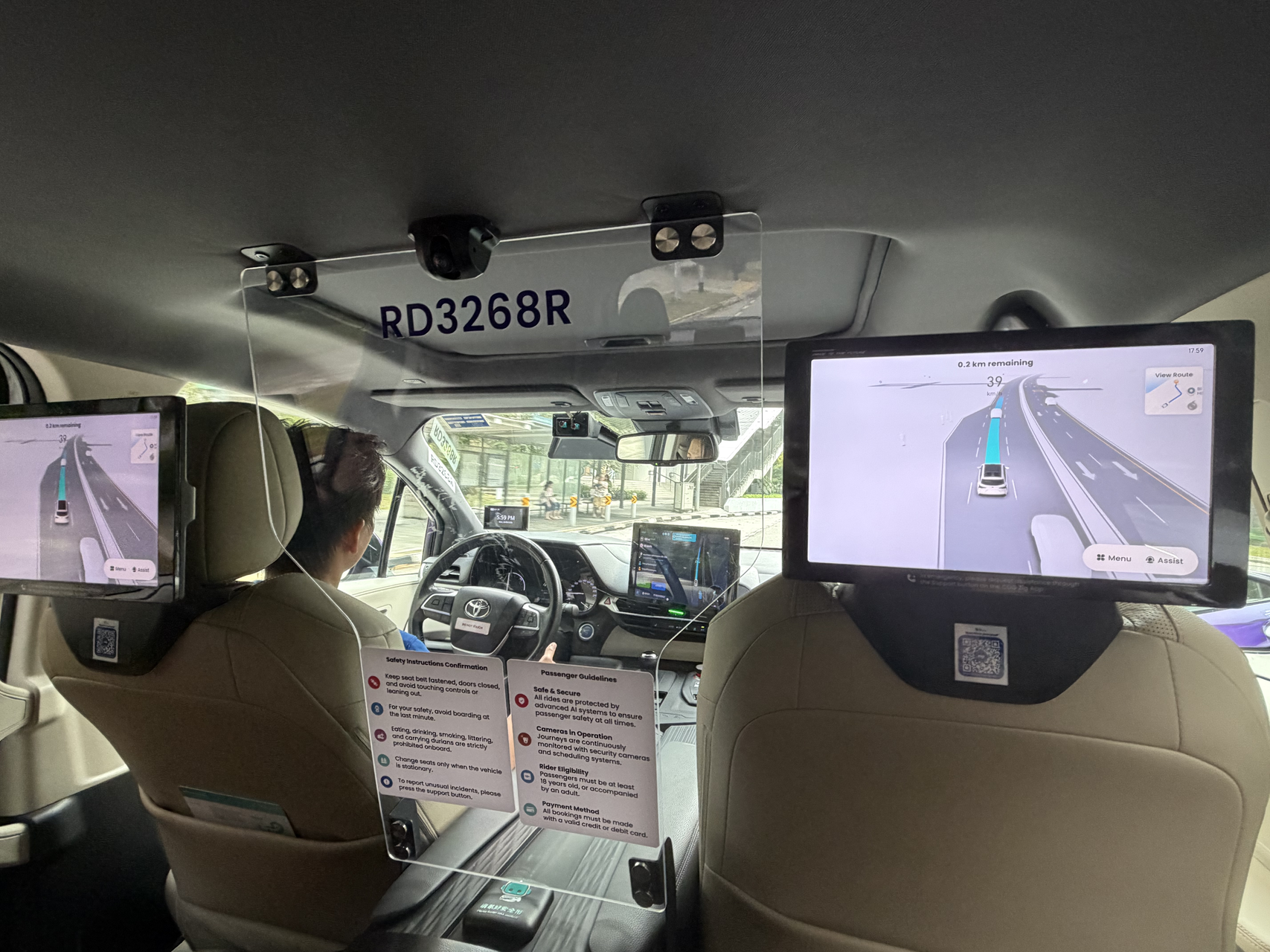
If driverless cars already work, why aren’t they everywhere?

Sumsub Launches Workforce Verification as Deepfake Risks Grow

ByteDance’s AI-enhanced short-drama app eclipses China’s Netflix rivals combined

Timo Joins Top 10 Banks in Vietnam by Customer Satisfaction

Payment Agility and Modernisation for the Age of Intelligence