
Singaporean economist cautions AI may increase inequality, as Anthropic calls for global AI pause
Singaporean economist Donald Low has voiced increasing skepticism regarding the long-term advantages of artificial intelligence. He warns that current discussions surrounding AI have largely overlooked its potential to exacerbate societal inequality. This concern arises as AI research firm Anthropic advocates for a global pause in AI development, highlighting growing apprehension within the tech community itself. Low's perspective underscores a critical debate about the ethical and economic implications of rapid AI advancement, particularly in a region like Asia where technological adoption is widespread. His insights contribute to a broader conversation about responsible innovation and equitable distribution of AI's benefits.
The concerns raised by Donald Low, a prominent Singaporean economist, about AI's potential to increase inequality are particularly pertinent for Asia's diverse tech ecosystem. Many Asian economies are rapidly embracing AI for economic growth and competitiveness, but this adoption often occurs without robust frameworks to address social equity. If AI development proceeds unchecked, it could disproportionately benefit urban centers and skilled labor, widening the gap between different socioeconomic groups and regions within countries like Singapore, India, and Indonesia. This could lead to social unrest and hinder inclusive development goals across the continent.
The call from Anthropic for a global AI pause further amplifies these concerns, suggesting that even leading AI developers recognize the need for a more deliberate and ethical approach. For Asian markets, this implies a critical juncture where policymakers and industry leaders must balance innovation with social responsibility. Investing in AI education, reskilling programs, and regulatory frameworks that promote equitable access and mitigate job displacement will be crucial. Failure to do so risks creating a technologically advanced but socially fractured future for Asia.
Related reading
6 stories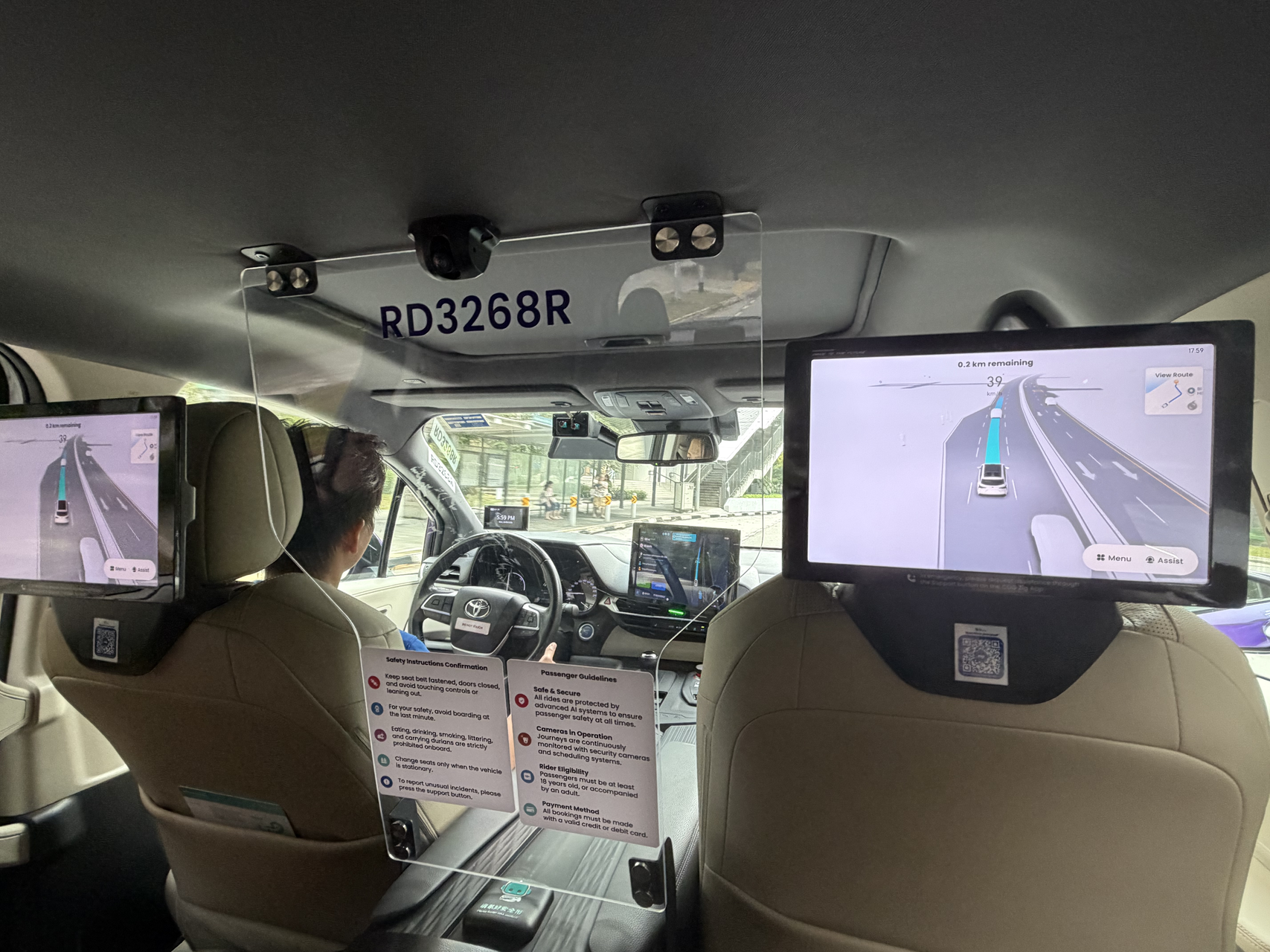
If driverless cars already work, why aren’t they everywhere?
People’s Daily rejects US claims of malicious AI distillation, warns of countermeasures

Databricks to Invest Over US$350 Million in Singapore, Double Its Workforce
Sumsub Launches Workforce Verification as Deepfake Risks Grow

Personetics Launches AI Banking Console for Relationship Managers
