
Singapore and Thailand Sign Cybersecurity Pact to Combat Digital Fraud
The Monetary Authority of Singapore (MAS) and the Bank of Thailand (BOT) have formalized their collaboration on cybersecurity and digital fraud protection by signing a Memorandum of Understanding (MoU). This agreement aims to strengthen cyber resilience and combat digital fraud across their respective financial sectors. The regulators will share crucial information, including regulatory updates, incident developments, and threat intelligence, while also supporting competency building through joint training and research exchanges. Furthermore, MAS and BOT plan to conduct joint cross-border cybersecurity and crisis management exercises to enhance operational preparedness. The pact was signed during the 31st Executives’ Meeting of East Asia-Pacific Central Banks Governors’ Meeting in Singapore.
This cybersecurity pact between Singapore and Thailand signifies a crucial step in fortifying Southeast Asia's digital financial infrastructure. As both nations are key players in the region's burgeoning fintech landscape, the formalization of information sharing and joint exercises will create a more robust defense against increasingly sophisticated transnational cyber threats and digital fraud. This collaboration sets a precedent for regional cooperation, potentially inspiring similar agreements among other ASEAN members to create a more unified front against cybercrime. The focus on competency building through joint training and research exchanges is particularly vital, as it addresses the persistent challenge of talent shortages in cybersecurity across Asia. By pooling resources and expertise, MAS and BOT can cultivate a higher standard of cyber resilience that benefits their entire financial ecosystems. This proactive approach is essential for maintaining trust in digital transactions and fostering continued innovation in the fintech sector. The move also highlights the growing recognition among regulators that cyber threats do not respect national borders, necessitating a collaborative, rather than isolated, response. This could lead to a more harmonized regulatory environment for cybersecurity across the region, reducing fragmentation and enhancing overall stability.
Related reading
6 stories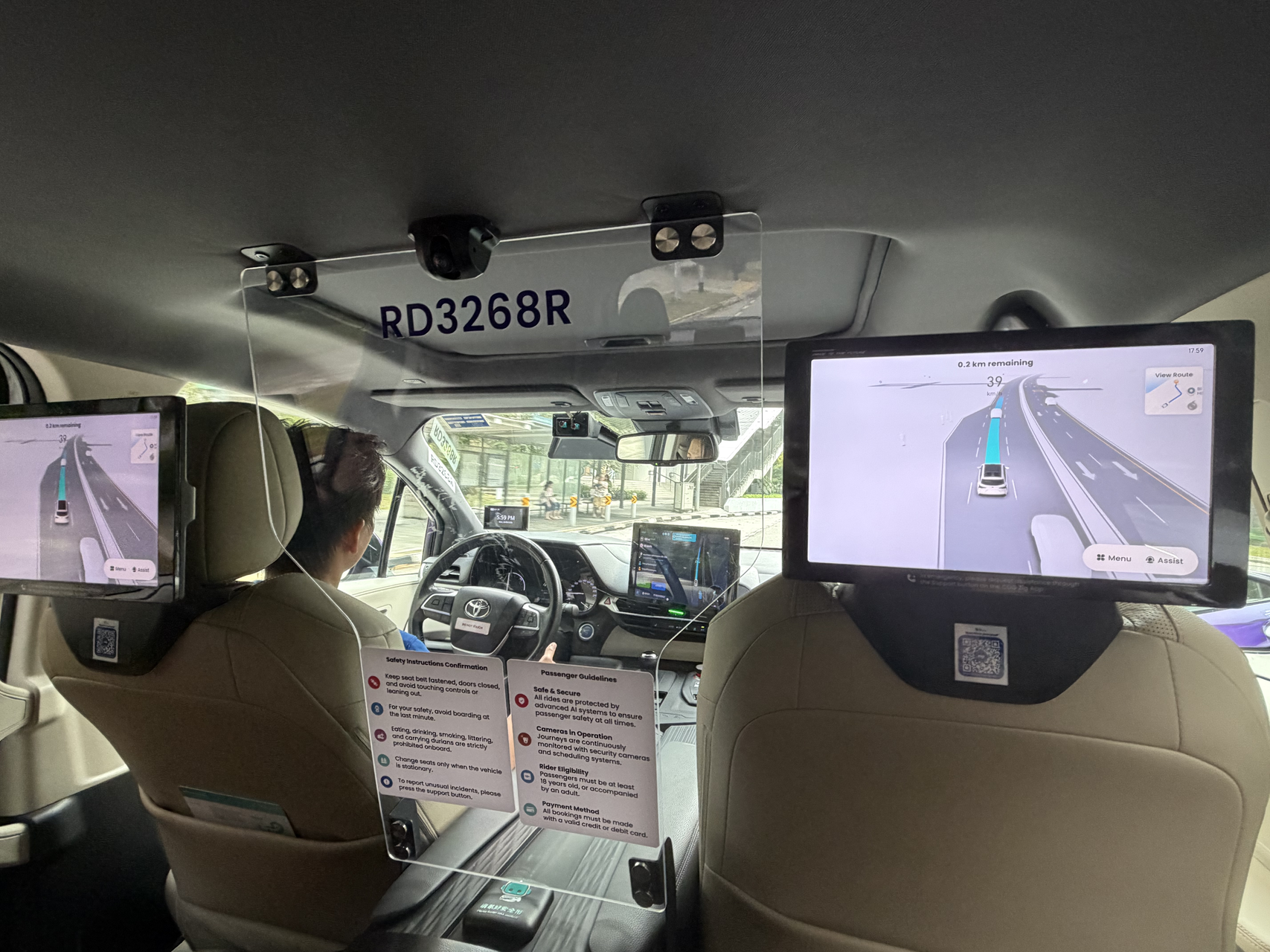
If driverless cars already work, why aren’t they everywhere?

Databricks to Invest Over US$350 Million in Singapore, Double Its Workforce

Sumsub Launches Workforce Verification as Deepfake Risks Grow
ByteDance’s AI-enhanced short-drama app eclipses China’s Netflix rivals combined

Personetics Launches AI Banking Console for Relationship Managers
