
Samsung's Exynos 2700 reportedly enters mass production with 10% higher output than Exynos 2600 - notebookcheck.net
Samsung's Exynos 2700 chip has reportedly entered mass production, with claims suggesting a 10% higher output volume compared to its predecessor, the Exynos 2600. Some reports also allege a 10% improvement in multi-core performance over the Snapdragon 8 Elite Extreme Gen 6, though Samsung has not confirmed these details.
The reported mass production of the Exynos 2700 indicates Samsung's ongoing efforts in developing its in-house chip capabilities. An increase in output volume, if confirmed, would suggest improvements in manufacturing efficiency or scaled production capacity for this generation of chips. This could allow Samsung to potentially integrate the Exynos 2700 into a broader range of its devices, reducing reliance on external suppliers for certain models.
The claim of a 10% higher multi-core performance than the Snapdragon 8 Elite Extreme Gen 6, if accurate, points to Samsung's ambition to compete directly with leading chipmakers in terms of raw processing power. However, it is important to note that performance benchmarks are complex and real-world user experience involves more than just multi-core scores. Factors like power efficiency, graphics performance, and AI acceleration also play critical roles.
Uncertainty remains regarding which devices will feature the Exynos 2700, with reports specifically mentioning that Samsung is still considering chip options for the S27 Ultra. This suggests that even with mass production underway, the integration strategy for new chips can involve complex decisions, likely balancing performance, cost, supply chain stability, and market positioning across different product lines.
Share this article
Related reading
6 stories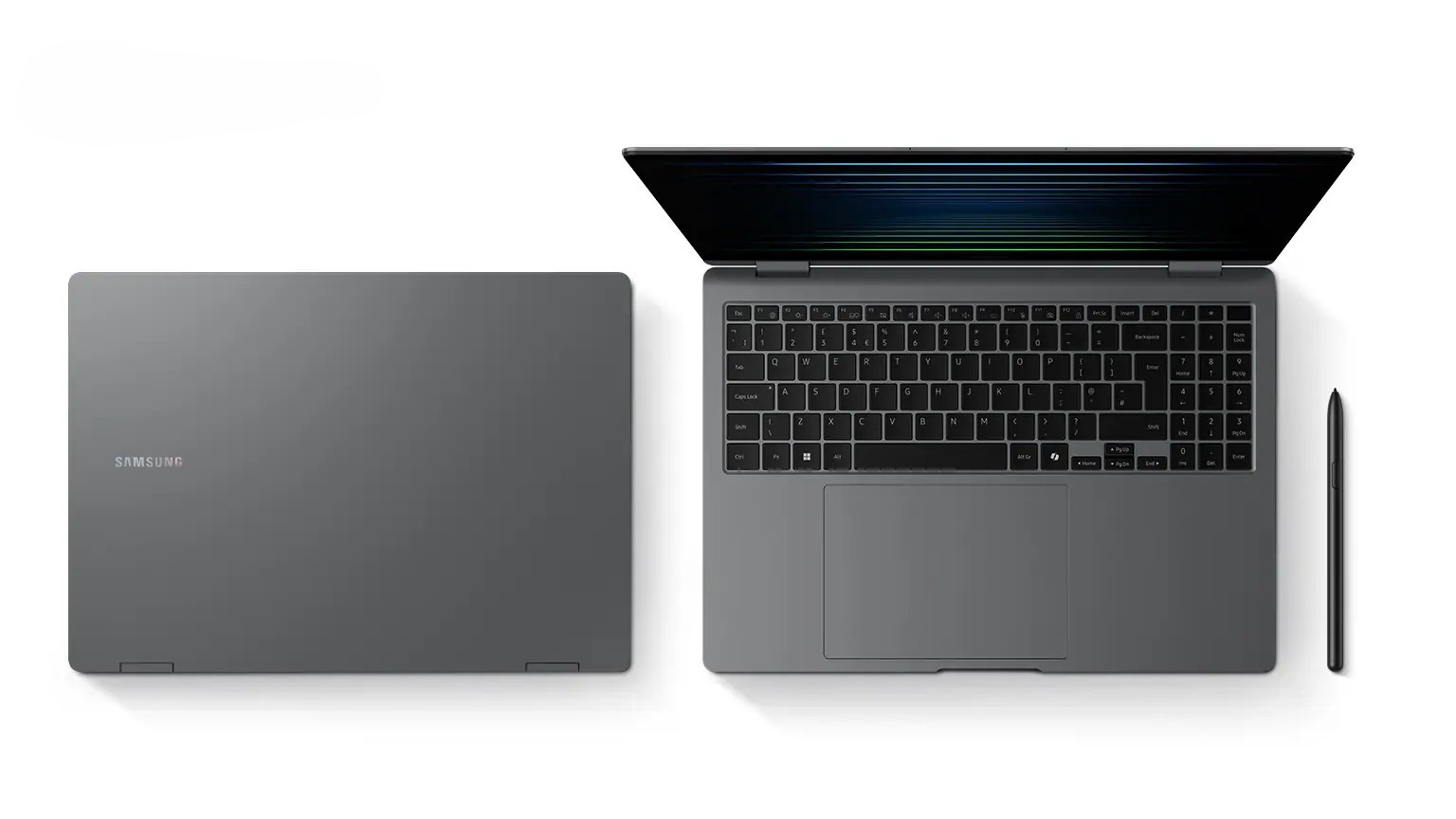
Samsung’s Android-powered laptop surfaces on Geekbench with over 15K multi core CPU score
Samsung's new Exynos chip could power devices like the Android laptop we saw surface on Geekbench.

Quality over quantity: China’s AI microdrama producers battle viewer fatigue

Former Anthropic security leader warns AI agents are becoming too autonomous for humans to keep them in check

OpenAI Pioneers Common Workspace Called Space For Humans And Agents
