Samsung to Turn Xian Into Key eSSD Hub as AI Demand Climbs
Samsung Electronics is developing its Xian, China, campus into a core production base for enterprise solid-state drives (eSSDs) used in artificial intelligence data centers. This involves upgrading its second Xian plant (X2) to the ninth-generation vertical NAND (V9) process, converting some existing lines, industry sources stated on the 24th.
Samsung Electronics is reconfiguring its Xian campus in China to serve as a primary production hub for enterprise solid-state drives (eSSDs), which are critical for artificial intelligence (AI) data centers. The Xian campus, comprising two plants, X1 and X2, has a combined capacity of 100,000 12-inch silicon wafers per month for NAND flash memory. This capacity represents approximately one-third of Samsung's total 300,000-wafer-per-month NAND output across its Xian and Pyeongtaek facilities.
The strategic shift focuses on upgrading electroplating equipment within X2's clean room and reorganizing production lines to adopt the ninth-generation vertical NAND (V9) process. Part of X2's existing sixth-generation NAND (V6) lines, which are currently its mainstay, are slated for conversion to V9. The company aims to increase V9 capacity at X2 from its current 10,000 wafers per month to 50,000 wafers per month.
The ninth-generation V9 NAND technology offers enhanced capabilities suitable for AI data centers, which demand high capacity and rapid data processing. It stacks 286 memory cells, 50 more layers than the previous generation, leading to increased storage density. For triple-level cell (TLC) products, this translates to roughly 50% greater data storage on a chip of the same size, alongside a 33% increase in maximum data input-output speed to 3.2 gigabits per second. Samsung stated in July that it had applied this V9 process to its PM1763 eSSD for AI data centers, which entered mass production.
This reorganization in Xian is driven by a broader shift in NAND demand towards eSSDs. Market researcher TrendForce projects an 84% growth in NAND demand for eSSDs this year and a 55% increase next year, measured by storage capacity. In contrast, demand for NAND in PC SSDs is expected to decline by 12% next year, and smartphone NAND demand is projected to drop by 1%. Consequently, eSSDs are forecast to represent 57% of total NAND demand next year, up from 45% this year, as AI data centers broaden their adoption of these drives.
Improved manufacturing yields for the newer process also support this transition. Industry sources indicate that yields for Samsung's ninth-generation NAND have reached the low 90% range for some products, approximately 10 percentage points higher than the low-to-mid 80% range of the previous generation. Higher yields, which reflect the proportion of functional chips from a wafer, reduce manufacturing costs per chip and enhance profitability. Samsung held a 35.1% share of the global eSSD market by revenue in the second quarter, widening its lead over second-ranked SK hynix to 14 percentage points from 12 percentage points in the first quarter. An industry official noted that by raising the share of high-performance products at the Xian campus, Samsung can further solidify its lead in the enterprise SSD market.
Share this article
Related reading
6 stories
In The AI Industry, What's Truly Scarce Is Not Algorithms -But Systems That Can Run Reliably In The Real World
This piece explores the real-world systems needed to run AI reliably, a key challenge Samsung's eSSD hub addresses.

OpenWay Teams Up With Visa to Expand Digital Payments in APAC

OceanBase Doubles 2026 Overseas Revenue, Launches New AI Platform
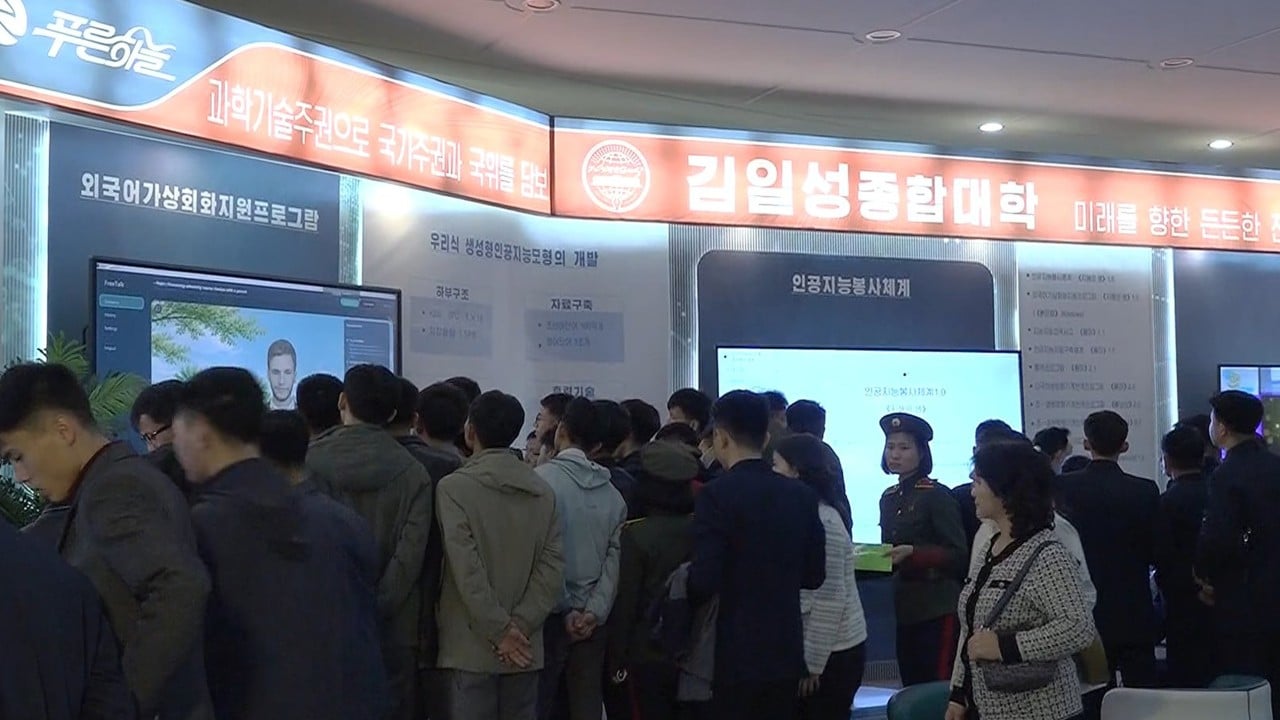
North Korea unveils first AI chatbot, but it won’t answer ‘uncultured questions’

OCBC Taps China Chief Ang Eng Siong to Lead Global Corporate Banking