Samsung Reportedly Begins Mass Production For Exynos 2700
Samsung has reportedly initiated mass production of its Exynos 2700 processor, according to a report from South Korean publication The Elec. This development suggests progress in the company's work on the chipset, which is expected to be part of the upcoming Galaxy S27 series.
The reported move to mass production for the Exynos 2700 processor indicates Samsung is advancing its internal component strategy. For a company that designs its own chips, reaching this stage means the design has been finalized and validated for volume manufacturing. This is a necessary step before the component can be integrated into consumer devices like the Galaxy S27 series.
Mass production represents a commitment to a specific design and manufacturing process. It suggests Samsung has completed significant testing and optimization, moving beyond prototype stages. This phase involves scaling up production lines and ensuring consistent quality, which is crucial for components that will power millions of devices. The report does not detail production volumes or specific technical specifications, so the scale and capabilities of the chipset remain to be seen.
While the report signals progress in Samsung's product development cycle, it does not provide details on the Exynos 2700's performance relative to competitors or prior generations. The timing of mass production, well in advance of a potential Galaxy S27 launch, is typical for semiconductor cycles, allowing for inventory build-up and integration into the broader supply chain. The actual impact on device performance or market positioning will only become clear upon the official unveiling and independent reviews of the chip.
Share this article
Related reading
6 stories
Dario Amodei’s American AI imperialism
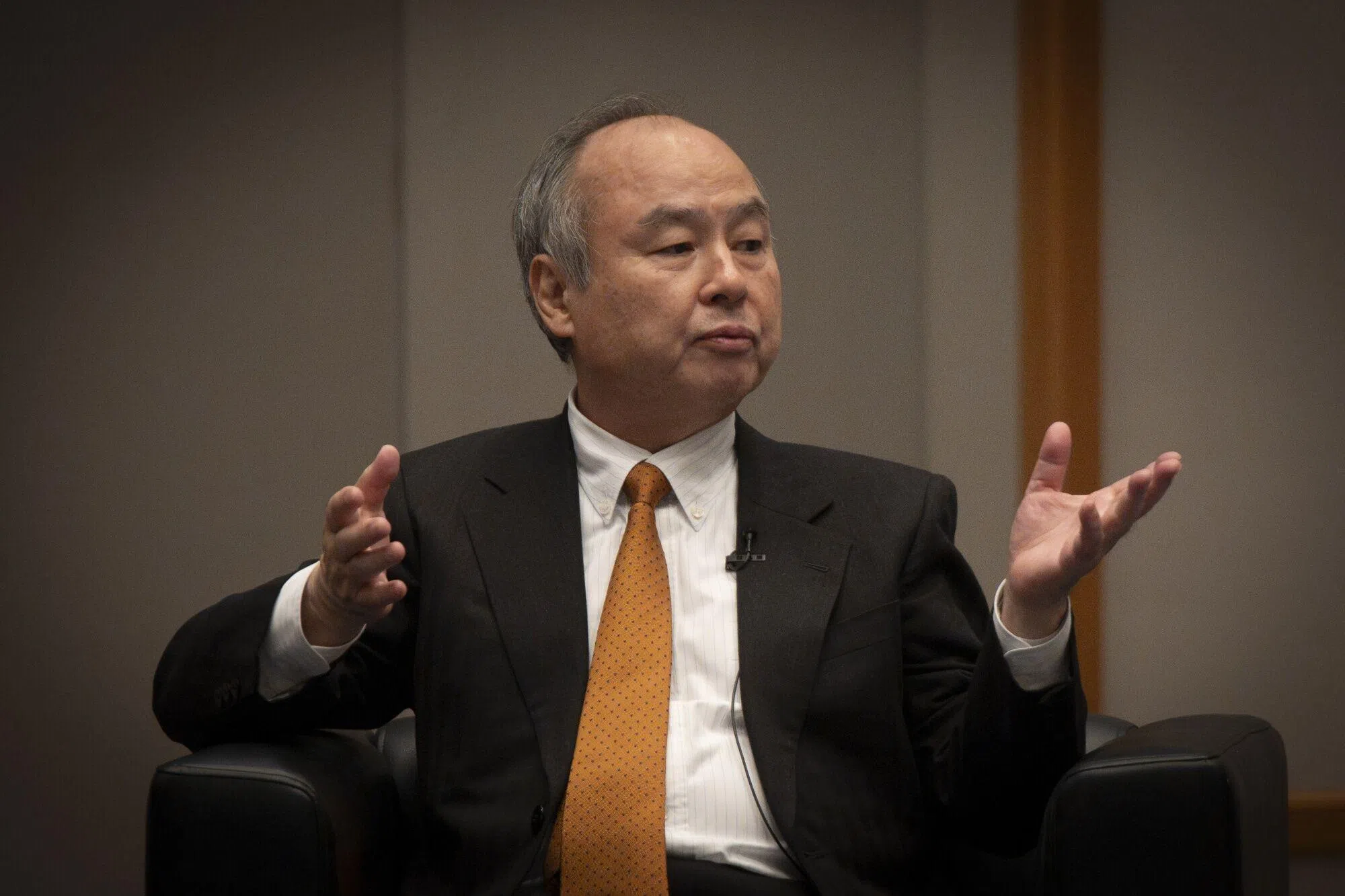
SoftBank’s Masayoshi Son has rare cautionary note on AI safety

Personal data of some 24,000 KEPCO employees leaked
Xiaomi 18 may bring a 3D screen: What We Really Know So Far

The Sequence Radar - Issue 944 — Last Week in AI: Last Week in AI: OpenAI Connects the Dots, Gemini Levels Up, and Agents Cash In