
Ren Lifeng helped build Douyin. Now he is bringing AI into factories
Ren Lifeng, a core member of Douyin's founding team, has launched Math Magic, an AI company focused on combining 3D generative AI with manufacturing. The company, founded in early 2024, has developed the Hi3D V3.0 model, which reached a resolution of 2,048-cube voxels. Math Magic recently announced nearly USD 50 million in Series A+ funding, with investments from BAI Capital, Hua Capital, HSG, IDG Capital, DragonBall Capital, Crystal Stream, and Jinqiu Fund. The company has also built its own factory in the Pearl River Delta to integrate its AI model development directly with physical production processes.
Ren Lifeng's Math Magic, emerging from the ByteDance lineage, is making a calculated bet on industrial AI by merging 3D generative models with manufacturing. The company's Hi3D V3.0 model, now at 2,048-cube resolution, reflects a deep dive into precision, a critical factor for industrial applications. The USD 50 million Series A+ funding validates this vertical approach, especially given Ren's insistence that investors tour factories before committing. This strategy aims to ground AI development in real-world production challenges, moving beyond consumer internet products. The decision to build its own factory in the Pearl River Delta underscores the difficulty of integrating experimental AI with traditional manufacturing. This hands-on approach, where AI engineers and factory workers collaborate, is a key differentiator. It allows Math Magic to address practical issues like printer errors and material properties, directly informing algorithm improvements. This model of deep integration could accelerate the adoption of generative AI in China's vast manufacturing sector, particularly in industries like jewelry, which require high precision and diverse material handling. The company's focus on structured forms, parametric representation, and flexible materials points to future directions beyond current precision limits. The thing to watch is whether this deep integration can scale across diverse industrial clusters, given the unique challenges of each manufacturing vertical.
Related reading
6 stories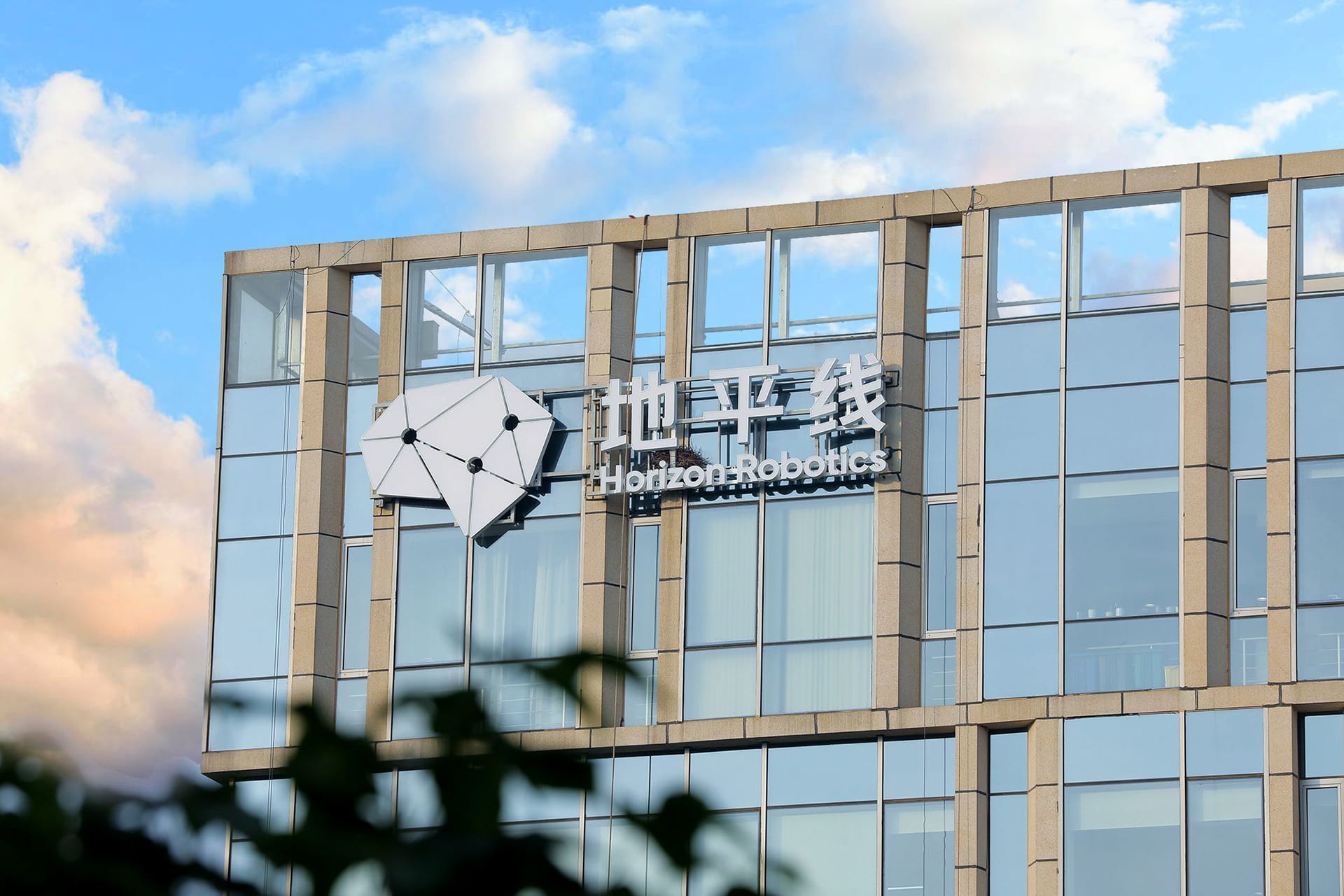
Horizon Robotics aims to lead advanced smart driving market by 2027
This article explores another Chinese company aiming to lead in advanced AI applications, specifically in smart driving.
People’s Daily rejects US claims of malicious AI distillation, warns of countermeasures

Databricks to Invest Over US$350 Million in Singapore, Double Its Workforce
ByteDance’s AI-enhanced short-drama app eclipses China’s Netflix rivals combined
Personetics Launches AI Banking Console for Relationship Managers
